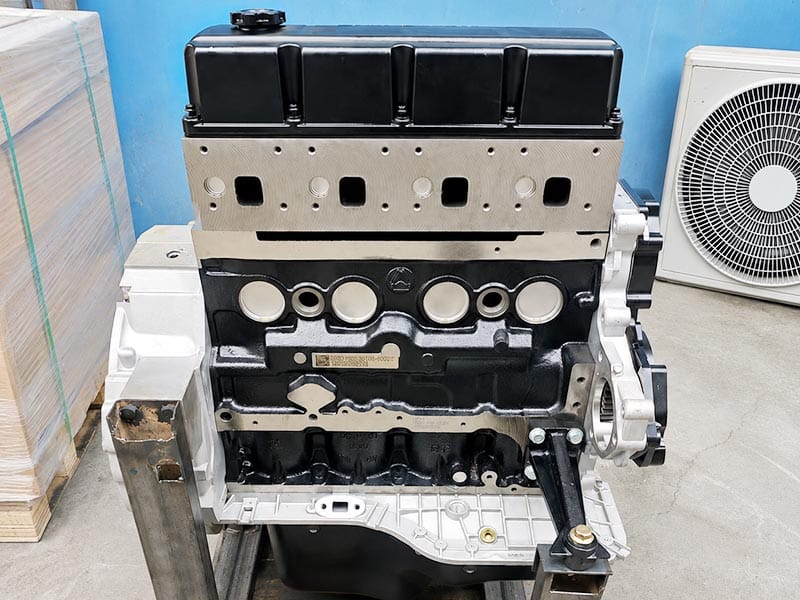
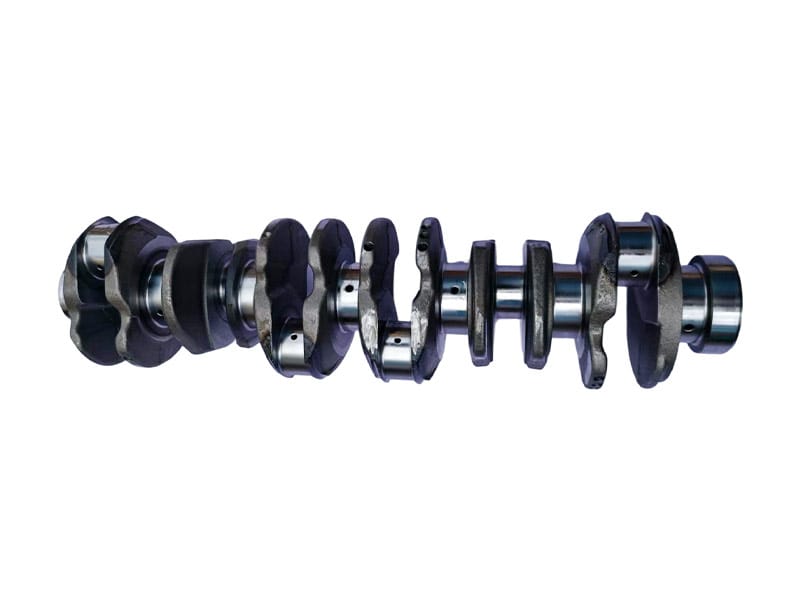
Accurate crankshaft identification should happen before a replacement shaft is ordered, not after the new part reaches the workshop. For heavy truck engine repairs, two crankshafts can look similar and still differ in journal dimensions, stroke, front-end drive details, rear flange configuration, oil-hole layout, or repair size. A shared engine-family name does not automatically prove interchangeability.
The safest crankshaft identification process combines the engine code, old crankshaft reference, visible markings, main and connecting-rod journal information, stroke, and clear photos of both ends. This guide explains how to build that evidence package so purchasing and technical teams can review the same facts before approving a replacement.
Start Crankshaft Identification With the Engine Code
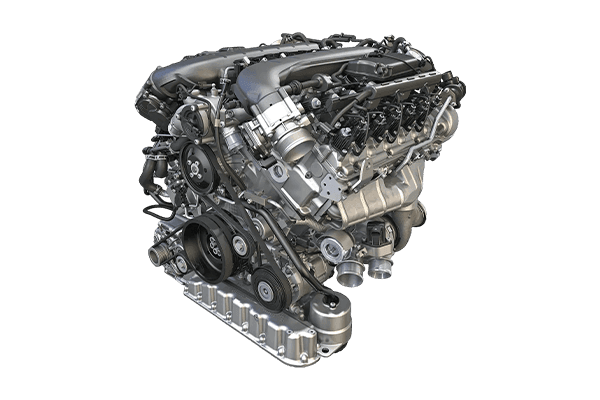
The first step in crankshaft identification is to confirm the exact engine being repaired. Record the complete engine model or code from the identification plate or reliable service documentation.
A broad vehicle model or engine family can help narrow the search, but it should not be the only basis for ordering. Heavy truck engines may have different variants within the same family, and previous repairs may have changed the crankshaft or related components.
The current engine crankshaft page specifically advises buyers to match the engine code, crankshaft reference, journal sizes, stroke, and connection ends before ordering. Those fields form a strong starting point for identification. citeturn184341search0
Record Every Visible Crankshaft Reference
The old shaft should be checked for stamped, cast, engraved, or otherwise marked references. A reliable crankshaft identification record should photograph each visible marking and show where it appears on the crankshaft.
Do not assume every number is the final orderable reference. Some markings may identify a forging, production batch, machining state, or earlier service operation. If the meaning is uncertain, record it as a visible marking rather than presenting it as a confirmed part number.
Historical service records and old invoices can also help, but they should be compared with the physical shaft and current engine. A previous rebuild may have changed the crankshaft from the original production configuration.
Use Journal Dimensions as Functional Identification Evidence
Main and connecting-rod journal dimensions are among the most useful fields in crankshaft identification. They help distinguish shafts that share a similar overall appearance but use different bearing sizes or repair states.
Measure only with an appropriate workshop method and record the actual positions and orientations used. One diameter from one location is not enough to describe journal condition or confirm the full shaft specification.
Some service documentation also marks undersize journals directly on the crankshaft after machining. This illustrates an important principle: previous repair history can become part of the identification evidence and can affect later bearing selection. citeturn184341search6
Confirm the Crankshaft Stroke
Stroke is another key element in crankshaft identification. A shaft can have similar journal sizes and overall length while using a different crank throw.
If stroke is known from reliable engine documentation, record it in the matching file. If it must be measured from the old shaft, use a defined method and identify how the value was obtained.
Older crankshaft identification references also show that throw, journal diameter, and end dimensions can be used together to distinguish crankshaft groups when a part number is unavailable. The exact examples apply to their own engine families, but the identification logic is useful more broadly. citeturn184341search24
Photograph the Front End in Detail
The front end is one of the easiest places for an otherwise similar shaft to differ. A complete crankshaft identification package should show the nose, keyways, threads, gear seat, damper or pulley interface, seal surface, and any locating features.
Two crankshafts can have the same main and rod journal dimensions while using different front keyways, gear positions, or thread arrangements. That is why journal measurements alone do not prove interchangeability.
Take one full front-end photo and several close-ups. If dimensions are requested, mark the exact measuring points on the image.
Photograph the Rear Flange and Flywheel Interface
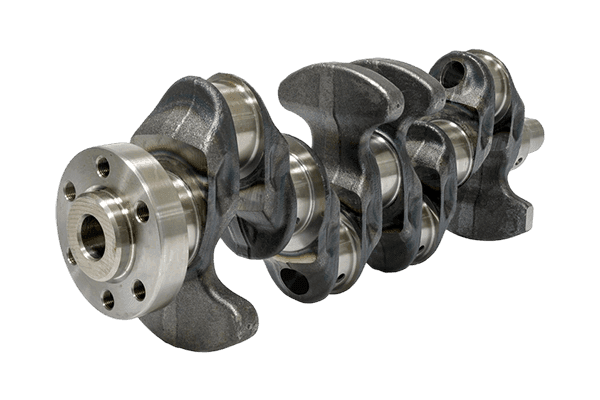
The rear end deserves the same attention in crankshaft identification. Photograph the flange, bolt pattern, pilot area, rear seal running surface, and any locating or coupling features.
The rear interface determines how the shaft connects to the flywheel, coupling, or transmission-side components. A mismatch here can stop an installation even when the journals are correct.
For replacement sourcing, the rear flange should be treated as a fitment feature, not simply part of the overall crankshaft shape.
Check Standard Size Versus Repair Size
Previous machining can complicate crankshaft identification. A shaft may have been reground to an approved undersize during an earlier overhaul, and the installed bearings may therefore differ from the nominal standard specification.
Record the current journal dimensions and any visible repair markings. If the replacement crankshaft is new and standard size, do not assume the old undersize bearings should be reused.
The identification file should separate the condition of the removed shaft from the specification required for the new one.
Compare Both Ends Before Trusting a Matching Part Number
A part number is important, but crankshaft identification becomes stronger when the number is supported by physical interface evidence.
If a supplier proposes a replacement reference, compare its front and rear configuration with the old crankshaft. A correct journal layout does not automatically guarantee the same damper, gear, flywheel, or rear seal arrangement.
The Mancheyu product page makes the same point by asking buyers to confirm journal sizes, stroke, overall length, and front and rear connection details. It explicitly states that overall dimensions alone do not establish interchangeability. citeturn184341search0
Use Overall Length Only as Supporting Evidence
Overall length can help with crankshaft identification, especially when two candidates are visibly different. However, it should be treated as a supporting field rather than the main fitment check.
Two crankshafts can share a similar total length while differing in journal diameter, stroke, flange geometry, keyways, oil passages, or counterweight design.
The current product page publishes product and packing dimensions for the listed engine crankshaft, but it also emphasizes that buyers must still confirm functional dimensions and interfaces. citeturn184341search0
Inspect Counterweight Shape and Position
Counterweights can provide additional evidence during crankshaft identification. Their number, shape, position, and machining can help distinguish shafts when references are unclear.
Do not use counterweight appearance alone. Balancing strategy, production revisions, or machining differences can make visual interpretation difficult.
Instead, treat counterweights as part of a larger evidence set that includes journals, stroke, front and rear interfaces, and engine identity.
Check Oil Hole Layout
Oil-hole position and orientation can also support crankshaft identification. Journal oil holes and internal drillings form part of the lubrication path, and different shaft designs may use different arrangements.
Photograph visible oil holes after the shaft is cleaned. Do not alter or chamfer them merely to make the old shaft resemble a proposed replacement.
If the new shaft’s oil-hole arrangement differs, ask the supplier to explain the matching basis before ordering.
Build a Crankshaft Identification Photo Set
A standardized photo set makes crankshaft identification much easier to review.
| Photo | What to Show | Why It Helps |
|---|---|---|
| Full side view | Complete shaft and counterweights | Shows overall configuration |
| Front end | Nose, keyways, threads, gear seat | Confirms drive interface |
| Rear flange | Bolt pattern, pilot, seal area | Confirms flywheel/transmission interface |
| Main journals | Journal surfaces and nearby markings | Supports size and condition review |
| Rod journals | Crankpins and oil holes | Supports geometry comparison |
| Part markings | Stamped, cast, engraved numbers | Preserves reference evidence |
| Engine plate | Full engine identification plate | Links shaft to actual engine |
Do Not Mix Identification With Condition Inspection
Crankshaft identification answers “Which crankshaft is this?” Condition inspection answers “Can this crankshaft be reused or repaired?” These questions overlap but should remain separate.
A damaged shaft can still be correctly identified. Likewise, a correctly identified shaft can be unserviceable because of journal wear, cracking, heat damage, excessive runout, or previous machining.
The earlier crankshaft inspection guide explains how condition, dimensions, runout, critical areas, and repair history can be evaluated separately from fitment identification.
Check the Existing Bearings for Repair Size Clues
Bearing markings can help with crankshaft identification when the old shaft has been machined previously. If the engine uses undersize bearings, that information can confirm that the old journal dimensions are not standard.
Keep the bearings organized by position and photograph any size or reference markings before disposal.
This information is particularly useful when the workshop needs to understand whether the replacement crankshaft should be supplied standard and paired with new standard bearings, or whether another approved repair configuration is being requested.
Use Measurements That Can Be Audited
If measurements are part of crankshaft identification, the workshop should record enough detail for another person to understand them.
Include the measuring point, journal position, instrument, and whether the value relates to a standard or repaired shaft. If several measurements are needed to establish taper or out-of-round, preserve the individual readings.
Do not copy dimensions from a catalog and present them as measurements from the actual shaft.
Build a Minimum Crankshaft Identification Package
| Identification Field | Buyer Should Provide | Status |
|---|---|---|
| Engine code | Full code and plate photo | Confirmed / Unclear |
| Crankshaft reference | Visible numbers and old records | Confirmed / Possible |
| Main journals | Known dimensions or repair status | Standard / Repair / Pending |
| Rod journals | Known dimensions or repair status | Standard / Repair / Pending |
| Stroke | Reliable documented or measured value | Confirmed / Pending |
| Front end | Detailed photos | Attached / Pending |
| Rear end | Detailed photos | Attached / Pending |
| Repair history | Known grinding or replacement history | Known / Unknown |
What to Do When the Part Number Is Missing
When the old shaft has no readable number, crankshaft identification should rely more heavily on engine identity and physical geometry.
Use the complete engine code, main and rod journal dimensions, stroke, overall length, front-end details, rear flange, oil-hole layout, and photographs. A technical drawing with labeled measurements can be especially useful.
Do not invent a part number from a visually similar online listing. Let the supplier propose a candidate reference and explain the match.
What to Do When the Engine Has Been Rebuilt Before

Previous rebuilds are a common source of confusion in crankshaft identification. The engine may contain a shaft that differs from the original catalog entry or has been reground to a repair size.
Review old invoices, machine-shop records, bearing markings, and current dimensions. If the crankshaft reference conflicts with the vehicle’s expected configuration, preserve both pieces of evidence and investigate.
The current physical engine and shaft should drive the replacement match.
Prepare the RFQ After Identification Is Complete
Once crankshaft identification is reasonably complete, the evidence should be transferred into the purchasing request.
The crankshaft RFQ guide explains how to organize the engine code, crankshaft reference, journal information, stroke, front and rear photos, quantity, and related bearing or gear requirements.
This prevents the buyer from repeating the technical investigation after the supplier asks for more information.
What to Send for a Crankshaft Matching Review
For a replacement matching review, send the complete engine code, engine-plate photo, old crankshaft reference, main and rod journal information, stroke, repair history, full side photo, front-end photo, rear-flange photo, and required quantity.
If bearings, gears, seals, or fasteners are required, list them separately instead of assuming they are included with the shaft.
You can submit the engine code, part reference, interface photos, and inspection findings through the contact page for a matching review.
Conclusion
Reliable crankshaft identification depends on several pieces of evidence agreeing with each other. The engine code and crankshaft reference are the starting points, but journal sizes, stroke, front and rear interfaces, repair history, and clear photographs are what make the match stronger.
The most important rule is to avoid using overall dimensions or one visible number as the entire identification process. When the workshop documents the actual shaft systematically, the purchasing team can request a replacement with much less ambiguity and the supplier has a clearer basis for confirming fitment.
FAQ
What information is needed for crankshaft identification?
A crankshaft identification package should include the complete engine code, crankshaft reference or markings, main and connecting-rod journal information, stroke, front-end configuration, rear flange, repair history, and clear photographs.
Can journal size alone identify a crankshaft?
No. Two shafts can share similar journal sizes while differing in stroke, front drive, rear flange, oil-hole arrangement, or other features. Journal dimensions should be combined with engine identity and interface evidence.
What if the crankshaft part number is unreadable?
Use the engine code, journal dimensions, stroke, overall length, front and rear connection details, oil-hole layout, and photos. Ask the supplier to propose a candidate reference and explain the matching basis.
Does an undersize journal change crankshaft identification?
Yes. Previous grinding changes the current journal dimensions and bearing requirements. Record the repair size separately from the original crankshaft identity so the replacement specification is not confused with the old shaft’s repaired condition.
What photos are most useful before ordering a replacement crankshaft?
Send a full side view, front-end detail, rear flange, close-ups of all visible markings, journal areas, oil holes, and the engine identification plate. These images strengthen crankshaft identification when a reference number alone is not enough.