Table of Contents
D2066/2076 engine block spare stock planning is a practical decision about the exact component, the evidence available and the next step in the repair or purchase. For a purchasing team comparing two supply formats, the useful result is a confirmed reference and a clear record of what remains to be checked. This guide connects spare stock planning with the particular matching and supply questions that apply to d2066/2076 engine block.
Start with the spare stock planning decision
Spare-stock planning connects confirmed application demand with the cost of an unavailable component. Separate parts that have a verified reference history from items still awaiting identification. Review actual consumption, expected replenishment time and the workshop consequence of a stockout. Broad product names alone cannot define a useful stocking unit.
Inspect the identity and protective condition of existing stock before ordering more. A shelf quantity can be misleading if the items belong to a different version or cannot be accepted. The output is a reference-based replenishment decision with an identifiable receiving and issue process. Preserve any alternate-reference evidence rather than merging similar-looking items by convenience.
The quotations use different assembly descriptions. Establish the work and additional parts each option requires, then compare the complete scope. Keep any unresolved compatibility issue visible in the approval record.
Clarify the D2066 and 2076 block application before approval
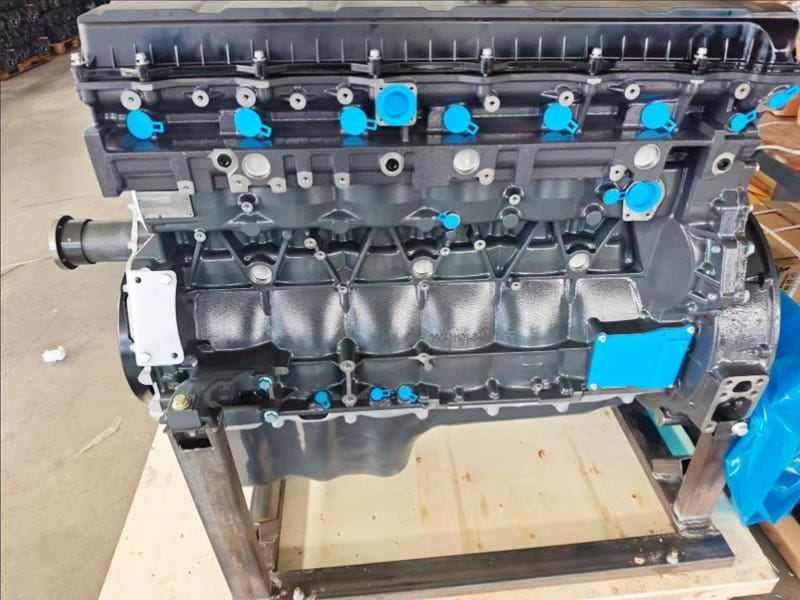
The block page uses the designation D2066 and 2076. Do not silently rewrite that designation as another familiar engine code. Ask the supplier to confirm the exact application against the engine plate and the existing block reference. Where a model string is incomplete or inconsistent with workshop documents, keep the discrepancy open until the technical response resolves it.
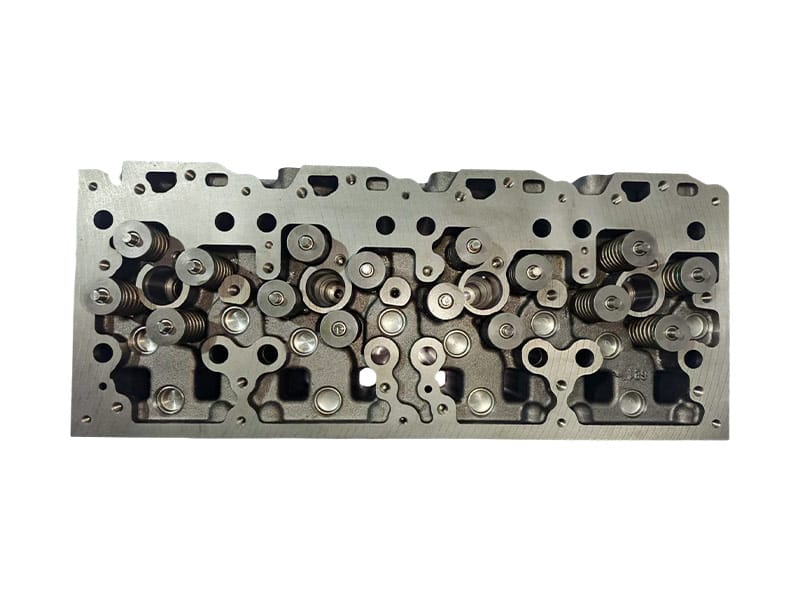
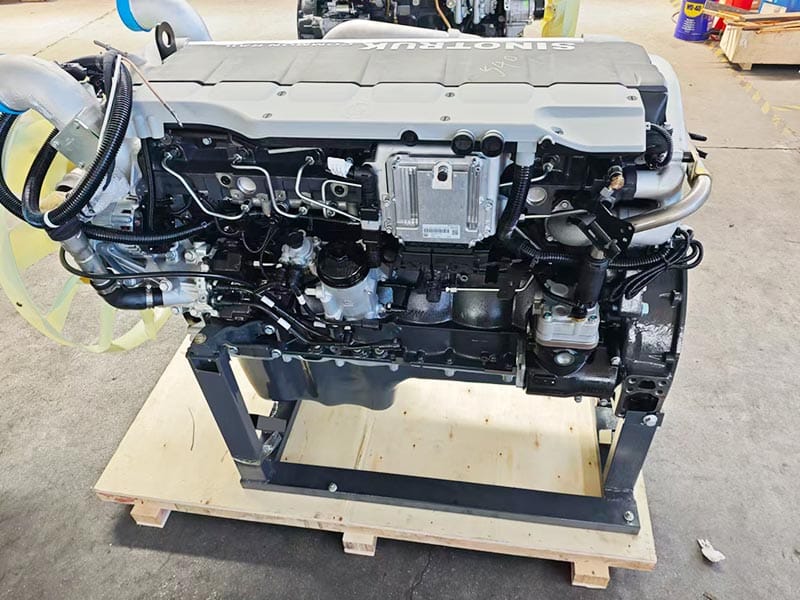
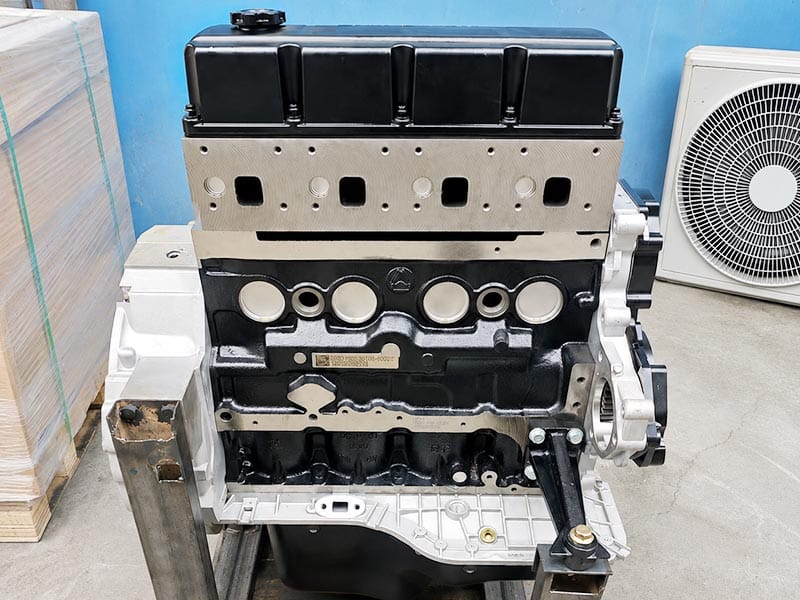
The listing gives outside dimensions of 1280 × 620 × 850 mm, a package of 1400 × 750 × 950 mm and stated product/packed weights of 620 kg and 680 kg. These values support early handling discussions. They do not establish whether the order is a bare casting or an assembly with installed components. The image should be used to ask about scope, rather than as a substitute for the scope itself.
Specify the required assembly level and each included internal part. Ask the workshop which geometry or condition checks are needed for the repair. If a supplier proposes a different block reference, review the application and related components again. A usable confirmation should connect the exact offered block, its assembly boundary and the intended installation without relying on an assumed equivalence between model names.
Use a measurement report with traceable locations
A useful block report identifies the exact feature measured and the method used. Deck condition, main-bearing housing geometry, bore or liner-seat condition, threaded features and evidence of cracks are separate findings. A single “dimensions checked” statement does not explain which of those findings were considered. Ask for the measurement locations, units, instrument identification where available and the engine-specific acceptance criteria.
An outside product dimension is not a bore specification or an alignment tolerance. If the workshop proposes machining, it should explain the repair limit and the effects on related parts. Ask how the selected bearings, liners, pistons and gasket arrangement remain compatible after the work. The purchasing decision needs the actual repair plan; it should not depend on a generic assumption that every damaged block can be machined to a suitable condition.
Separate compatible stock from similar-looking stock
For d2066/2076 engine block spare stock planning, this review should remain tied to d2066/2076 engine block and the exact order under discussion.
Build inventory records around confirmed application and part reference rather than a general product name. Similar components can belong to different engine versions. Keep labels readable and use location records that preserve the distinction. If a part has been substituted in a previous repair, document the evidence supporting that substitution instead of silently treating the references as equivalent.
Set reorder quantities from actual service demand, lead-time experience and the effect of a stockout. A slow-moving critical part and a frequently used consumable need different planning. Review the age and packaging condition of stored components before placing another order. Inventory that cannot be identified or accepted should not be counted as ready stock.
When issuing a component, connect its reference and batch information to the workshop job or customer order. This makes it possible to identify where a particular shipment was used. Update the catalogue when a reference changes, while preserving the history. A clean stock record reduces repeated identification work and helps buyers recognize when a proposed order overlaps items already on the shelf.
Build a usable identification record
For d2066/2076 engine block spare stock planning, this review should remain tied to d2066/2076 engine block and the exact order under discussion.
Start with the identity of the installed engine and the removed component. A vehicle model can cover several engine versions, and a previous repair may have changed the installed equipment. Obtain a readable engine plate image, the complete engine code and the existing part reference. Add the vehicle identification details as supporting information. If a number is partly obscured, record the uncertainty instead of filling in the missing characters from memory.
Photograph the identifying marks at a distance that shows their location, then take a close view that makes the characters legible. Record which number came from a casting, a label, a machined marking or a previous invoice. Those sources can refer to different levels of assembly. Preserve the original image files so the supplier can examine a detail without relying on a compressed screenshot.
Ask the supplier to identify the proposed reference in writing and explain any difference from the number you supplied. A supersession or alternate reference needs a documented application check. Do not treat a similar spelling, a shared series name or a familiar-looking photograph as proof of fitment. Keep the confirmed reference attached to the quotation so it cannot be separated from the price during approval.
Keep the reference, report and shipment connected
For d2066/2076 engine block spare stock planning, this review should remain tied to d2066/2076 engine block and the exact order under discussion.
Traceability is useful only when the records can be connected to the physical item. Ask which identifiers appear on the component, label, inspection report and packing list. The format may differ, but the relationship should be explicit. Record the identifiers before the crate is closed and preserve readable photographs of the labels and markings.
For a multi-item order, establish whether the inspection record applies to each item, a defined batch or a sample. Do not describe a batch-level check as individual testing. If the order contains several engine versions, keep each line and its identifiers separate throughout packing. A common carton label should not erase the information needed to distinguish similar-looking components.
At receipt, compare the physical identifiers with the approved quotation and the dispatch record before releasing the item for installation. Keep the receiving record linked to the workshop job. If a later question arises, the team should be able to retrieve the actual supplied reference, its evidence and its installation destination without searching through an unrelated collection of photographs.
Use the listed product information correctly
The d2066/2076 engine block listing provides the following starting information. These are site-listed values for inquiry and handling planning. Confirm the final reference, supplied configuration, piece count and packed dimensions in the actual quotation; the listing is not a complete service drawing.
| Listing field | Site-listed information |
|---|---|
| Handling method | Crane / Forklift |
| Product dimensions | 1280 mm × 620 mm × 850 mm |
| Packed dimensions | 1400 mm × 750 mm × 950 mm |
| Listed product weight | 620 kg |
| Listed packed weight | 680 kg |
Page title, description or URL contains inconsistent engine model spelling. Confirm full engine code and part reference; do not infer interchangeability.
Compare the evidence before approving the order
This d2066/2076 engine block spare stock planning comparison separates the information needed for a purchase from what a product photograph can establish. Use the table as a working record and replace each open point with the actual reference, report or agreed configuration.
| Decision item | Evidence to obtain | If evidence is missing |
|---|---|---|
| Engine/block identity | Full engine code and existing block reference | Hold approval until this item is clear |
| Assembly level | Bare casting, short block or itemized assembly | Hold approval until this item is clear |
| Geometry evidence | Workshop report for relevant mating and housing features | Hold approval until this item is clear |
| Related parts | Bearing, piston and liner specification as applicable | Hold approval until this item is clear |
| Protection | Machined faces and internal passages protected | Hold approval until this item is clear |
Prepare the next supplier and workshop handover
Before closing d2066/2076 engine block spare stock planning, assemble the engine plate image, existing reference, relevant photographs and the workshop findings into one inquiry record. Add the required quantity, destination and itemized supply scope. Ask the supplier to respond to the open points individually and keep the answer attached to the quotation revision.
Use the relevant product category to locate the component family, then return to the exact reference for the application check. If another part is required by the repair, create a separate line with its own matching evidence. Keep the spare stock planning decision and the final installation approval as identifiable steps in the record.
Frequently Asked Questions
What is the starting point for d2066/2076 engine block spare stock planning?
Start with the full engine identification and the reference on the existing engine block. Add the evidence specific to spare stock planning, the quantity and the proposed supply configuration. A model name or photograph alone does not establish compatibility.
Can a photograph settle spare stock planning for this part?
A photograph can show visible geometry, markings and condition. It cannot establish every dimension, internal property or operating requirement. For d2066/2076 engine block, combine useful views with the part reference and the appropriate workshop evidence.
Are the dimensions on the product page a fitting specification?
Use each listed dimension only for its stated purpose. Overall product or packed dimensions help identify and handle an item. Precision fits and service limits require the drawing and service information for the exact engine and component.
Which supplied items should the quotation identify?
The quote should name the main engine block, the quantity and any fitted or loose accessories. Identify excluded parts and anything transferred from the old installation. The product image does not define the contractual contents of the order.
What should be confirmed before the part is released?
Close the reference and supply-scope questions, check the available evidence and identify any checks reserved for the receiving or installing team. Keep the d2066/2076 engine block spare stock planning record with the accepted quotation and the actual shipment identifiers.
Discuss your d2066/2076 engine block requirement with Cheyu. Send the complete engine code, existing part reference, quantity and destination through the inquiry form. Include the open questions from this spare stock planning review so the quotation can address the actual component and configuration you need.