
Piston Inspection Checklist Before a Rebuild Order Is Approved
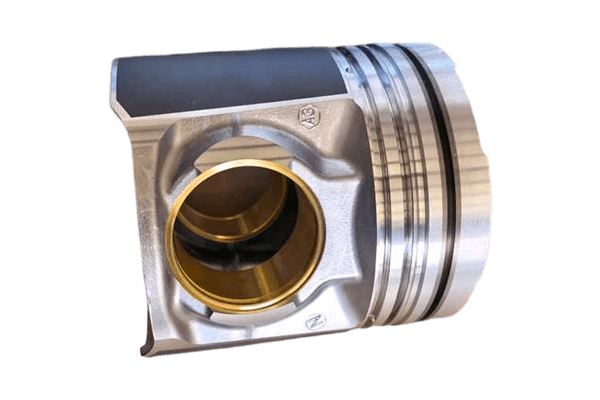
A practical piston inspection checklist should be completed before a rebuild order is approved. The goal is not simply to decide whether a piston “looks worn.” A useful inspection records the piston identity, visible condition, critical dimensions, relationship with the cylinder liner and piston pin, repair history, and the exact evidence used to approve reuse […]
Cracked Cylinder Head Symptoms and Confirmation Checks
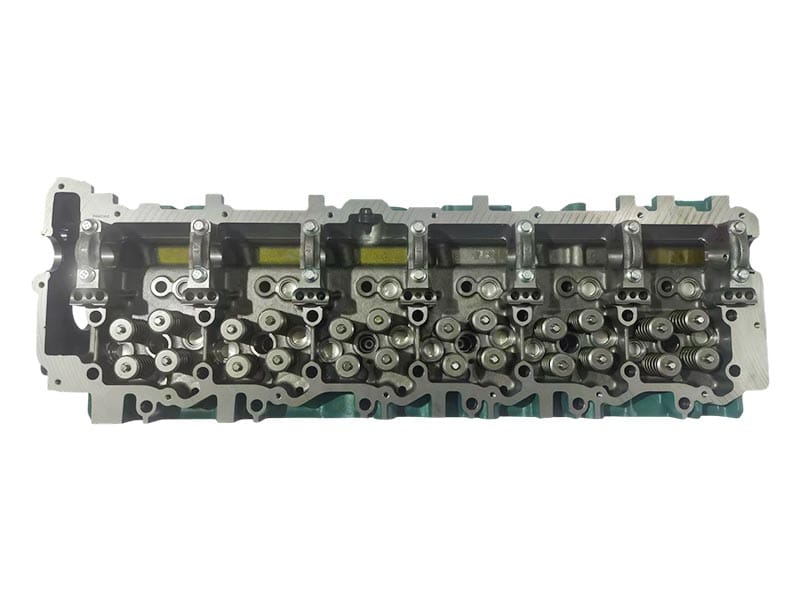
Cracked cylinder head symptoms can look very similar to a failed head gasket, a cooling-system leak, an injector problem, or another internal engine fault. Coolant loss, white exhaust vapor, repeated overheating, rough running, pressure in the cooling system, and oil contamination may all raise concern, but none of these signs proves by itself that the […]
OEM vs Aftermarket Engine Parts and the Evidence Behind Each Claim
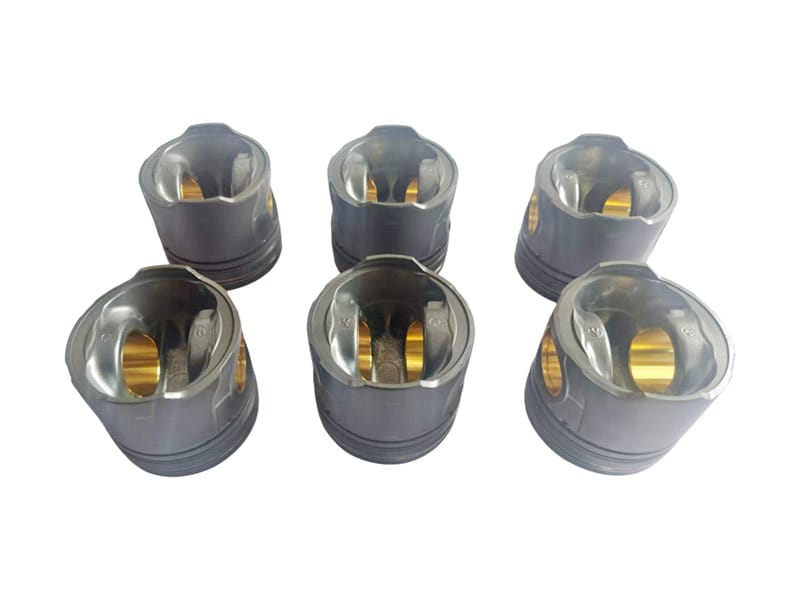
Comparing OEM vs aftermarket engine parts is often reduced to a simple question: which one is better? For heavy truck engine repairs, that question is too broad to support a reliable purchasing decision. “OEM” describes a relationship to the original equipment channel, while “aftermarket” covers a much wider group of independently supplied replacement parts. Neither […]
Engine Assembly RFQ Details for a Heavy Truck Replacement
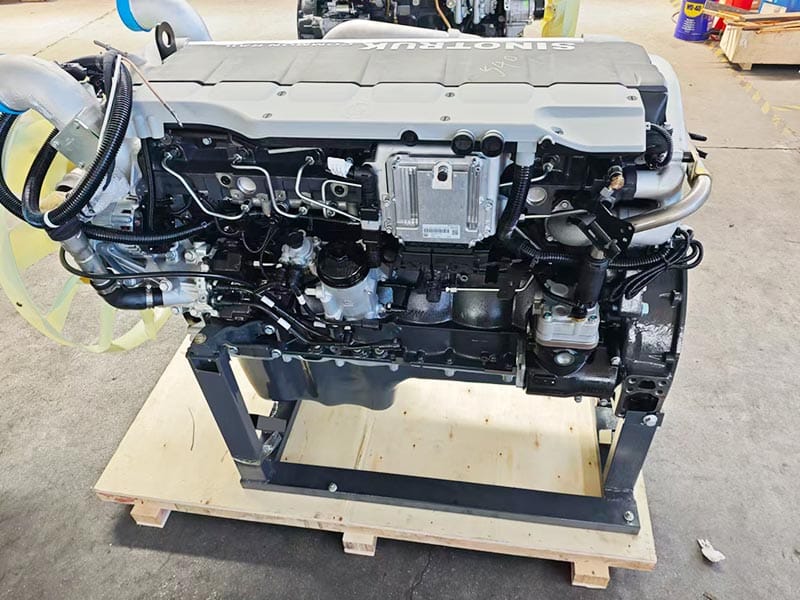
An engine assembly RFQ should do more than ask for “one complete engine.” For a heavy truck replacement, the supplier needs enough information to identify the correct engine version, understand the installation interfaces, define exactly what is included, and prepare a quotation that the workshop can actually review. If the request contains only a broad […]
Crankshaft Inspection Before an Engine Rebuild
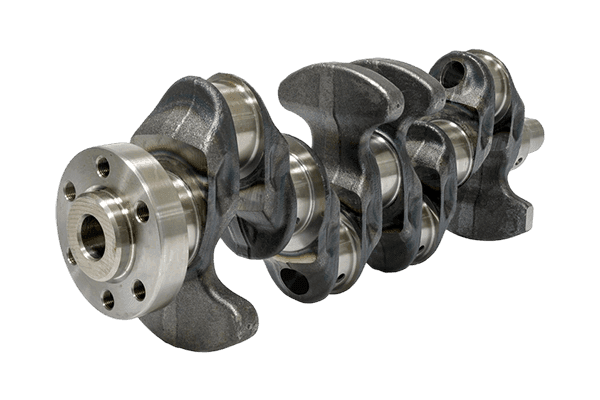
A thorough crankshaft inspection should be completed before an engine rebuild moves from teardown to parts ordering. The crankshaft is not just a heavy rotating component. Its main journals, crankpin journals, fillets, oil passages, flange, nose, keyways, and connection surfaces all affect how the rebuilt engine will run. A shaft that looks acceptable after cleaning […]
Piston Skirt Damage and Evidence to Collect Before Replacement
Piston skirt damage is one of the most useful visual clues found during an engine teardown, but it is also easy to misread. Vertical scratches, polished areas, dark scuff marks, transferred metal, localized seizure, or asymmetric wear may all appear on the skirt, yet these patterns do not automatically point to one cause. Lubrication loss, […]
Cylinder Head Identification Before Ordering a Replacement
Accurate cylinder head identification should happen before a replacement head is ordered, not after the new part arrives. For heavy truck engine repairs, a cylinder head may look correct from a distance while still differing in casting details, mounting faces, port layout, injector arrangement, sensor locations, valve-train configuration, or supplied components. A model name alone […]
Engine Parts RFQ Checklist for Heavy Truck Repair Orders
Preparing an engine parts RFQ is not just a purchasing formality. For heavy truck repair orders, the quality of the information sent at the inquiry stage often determines whether the supplier can identify the right component, compare the correct specification, and return a quotation that is actually useful. A short message such as “need piston” […]
Engine Assembly Inspection Before an Overseas Shipment
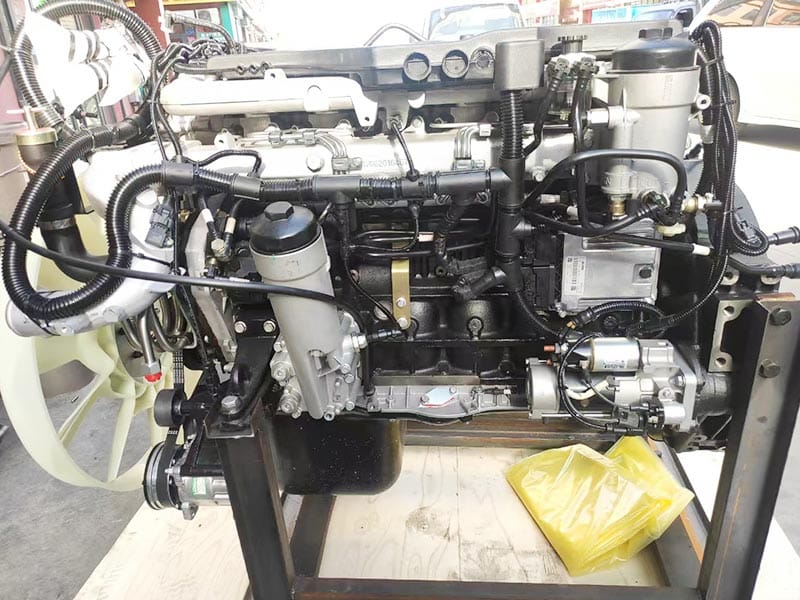
An engine assembly inspection before overseas shipment should answer more than one question: is the engine the version the buyer approved, is the quoted supply scope actually present, and is there enough evidence to release that unit for packing and transport? For a heavy-truck replacement engine, those checks matter because a clean exterior and a […]
Low Oil Pressure Checks Before Ordering an Engine Oil Pump
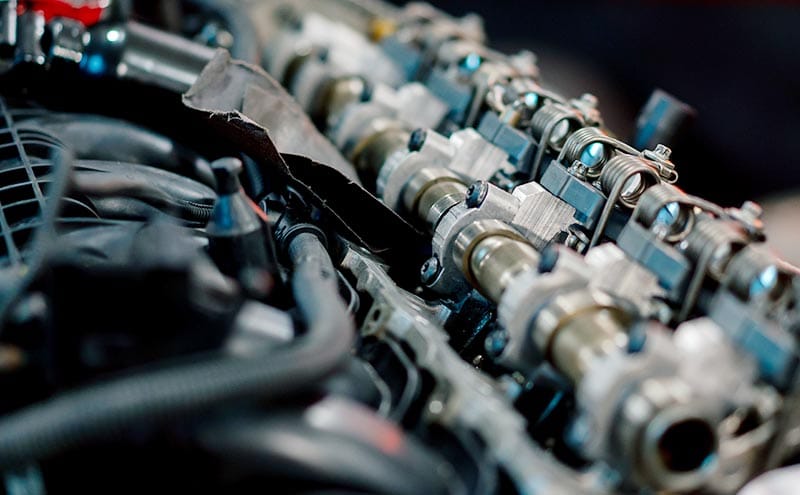
Diagnose low oil pressure before replacing an engine oil pump. Check readings, oil condition, pickup faults and fitment for heavy truck repairs.