
Cylinder Head RFQ Details That Reduce Wrong Part Quotations
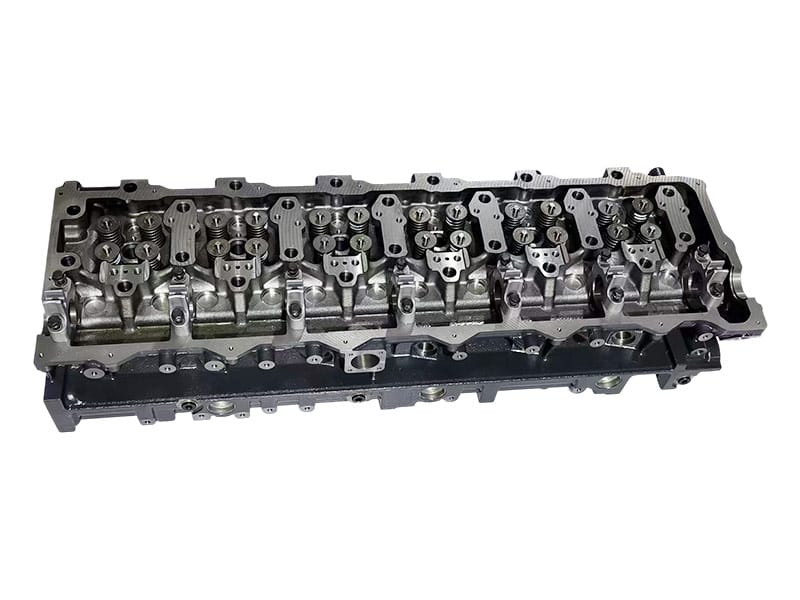
A clear cylinder head RFQ should help a supplier answer more than one question. It should identify the engine, identify the old head, define whether the buyer needs a bare or fitted replacement, show the required quantity, and explain any application details that could affect fitment. A short message such as “need one cylinder head” […]
D2066/D2676 Cylinder Head Reference Confirmation
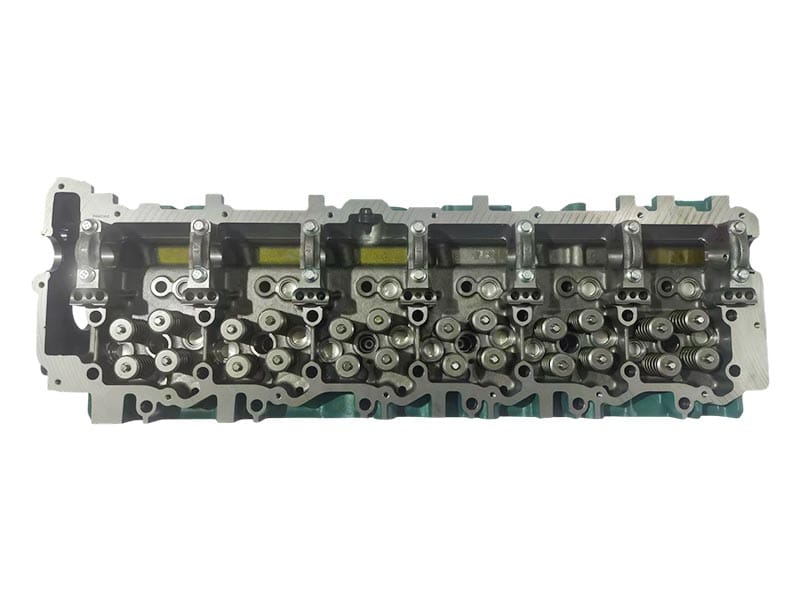
D2066/d2676 cylinder head reference confirmation is a practical decision about the exact component, the evidence available and the next step in the repair or purchase. For a repair hub receiving a component for a customer, the useful result is a confirmed reference and a clear record of what remains to be checked. This guide connects […]
Wrong Engine Parts Delivered and the Evidence to Check First
When wrong engine parts delivered becomes a receiving problem, the fastest response is not to modify the part or send an angry message. The first step is to preserve the shipment, identify exactly what was ordered, identify exactly what arrived, and collect enough evidence to show where the mismatch occurred. For heavy truck engine parts, […]
MC07 Engine Assembly Selection for a Replacement Order
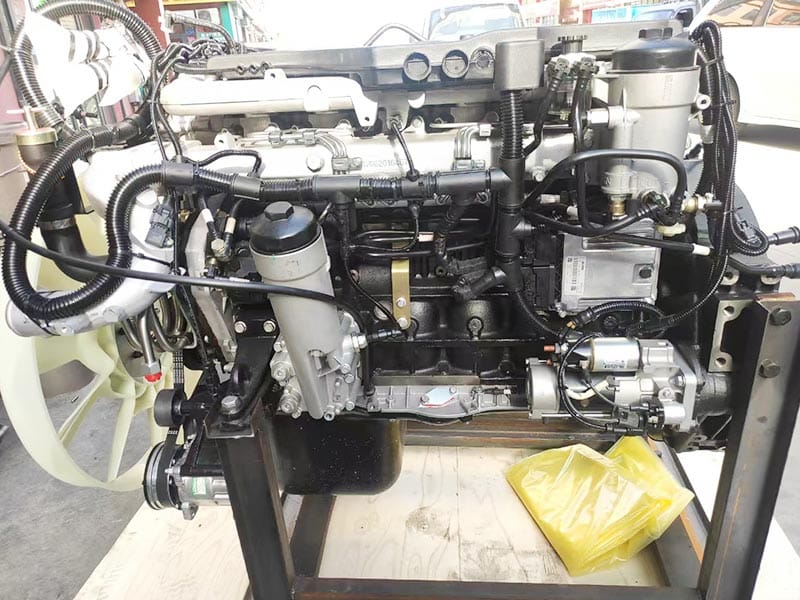
MC07 engine assembly selection should begin with the engine that is actually installed in the truck, not with a series name copied from an old invoice or product page. A replacement assembly may belong to the same general engine family while still differing in rated specification, control system, fuel-system configuration, transmission interface, cooling connections, external […]
Crankshaft Repair vs Replacement After Journal Damage
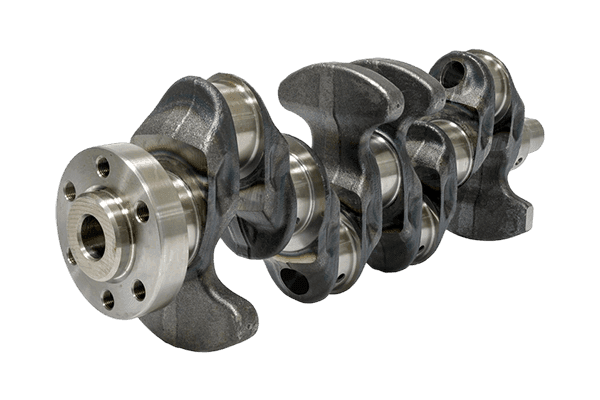
The decision between crankshaft repair vs replacement should be made from inspection evidence, not from one scratched journal or one general rule. A crankshaft with visible journal damage may still have an approved repair path if its dimensions, straightness, critical radii, and material condition remain within the limits for that engine. Another shaft may look […]
Piston Liner Kit Contents to Confirm Before Paying a Deposit
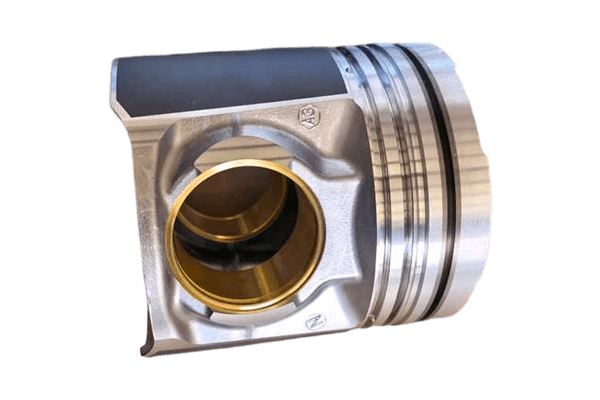
Piston liner kit contents should be confirmed line by line before a heavy truck engine rebuild order is approved. The term “piston liner kit” sounds like a standardized package, but in real purchasing it can describe very different combinations. One kit may contain a piston, liner, rings, piston pin, retainers, and liner seals. Another may […]
Cylinder Head Inspection Checklist Before Workshop Installation
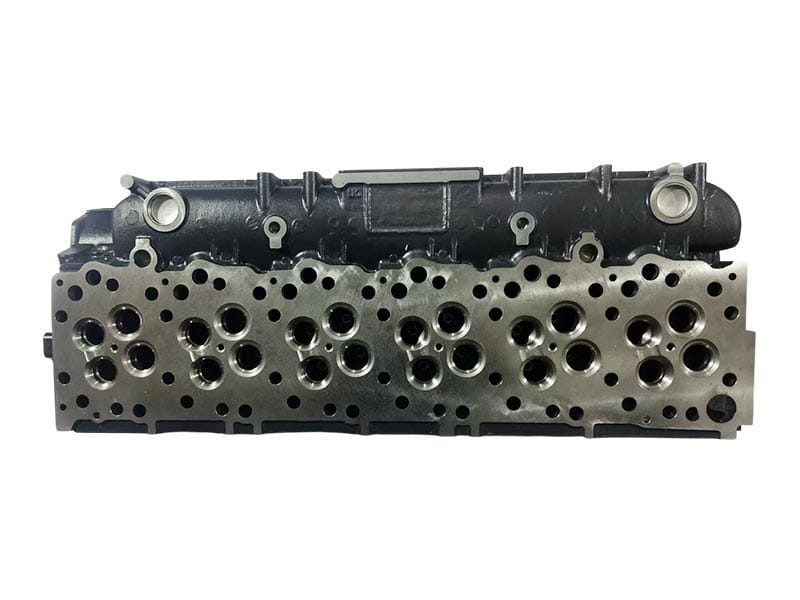
A practical cylinder head inspection checklist should be completed before a replacement head is installed. For heavy truck engine repairs, receiving the correct casting is only the first step. The workshop still needs to verify the engine application, head reference, casting marks, machined surfaces, ports, threaded holes, plugs, valve-train configuration, supplied components, visible damage, and […]
Engine Parts VIN Lookup and Why Engine Data Still Matters
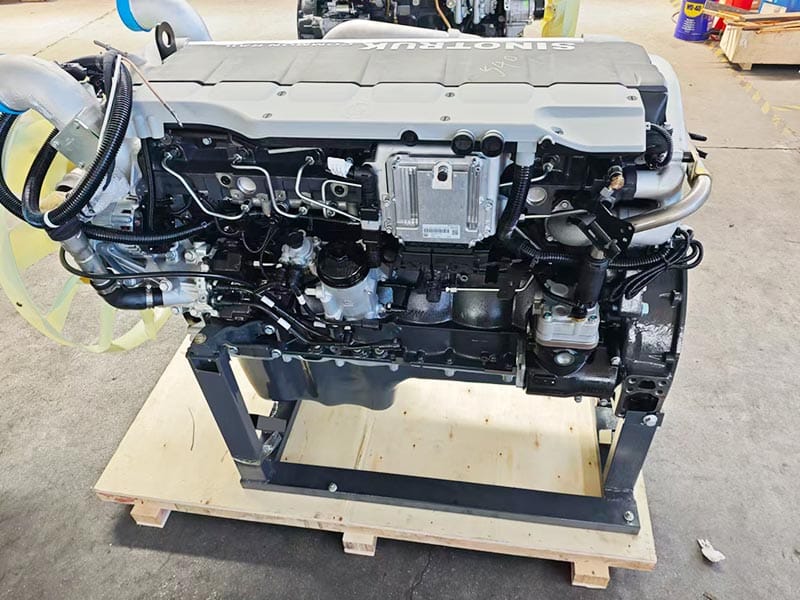
An engine parts VIN lookup can be a useful starting point when a fleet, repair shop, or parts buyer needs replacement components for a heavy truck. A VIN can identify the vehicle and help narrow its original configuration, production information, and application history. But a VIN is not the same thing as a current engine […]
Short Block vs Long Block for Heavy Truck Engine Replacement
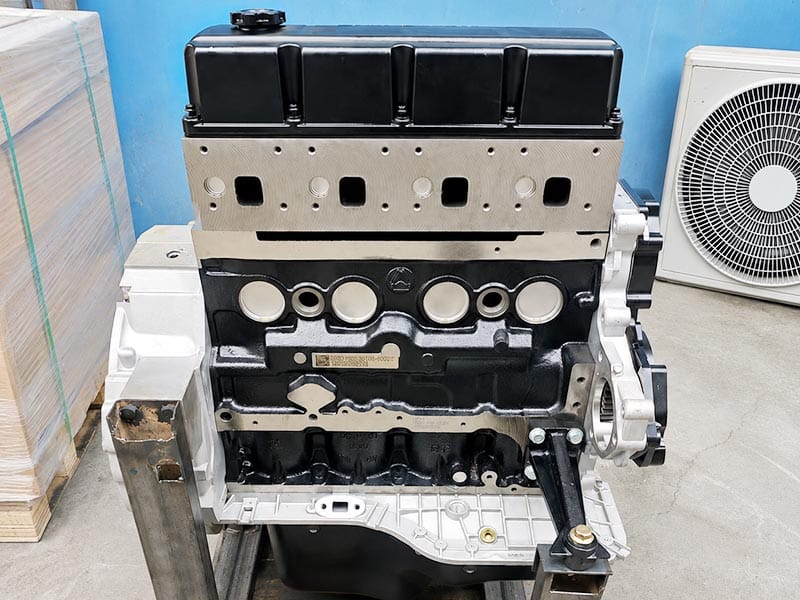
The difference between short block vs long block sounds simple until a workshop asks what will actually arrive with the replacement engine. In general, a short block contains the lower engine assembly built around the cylinder block and rotating parts, while a long block adds the cylinder head or heads and more of the upper […]
Crankshaft RFQ Information for Accurate Parts Matching
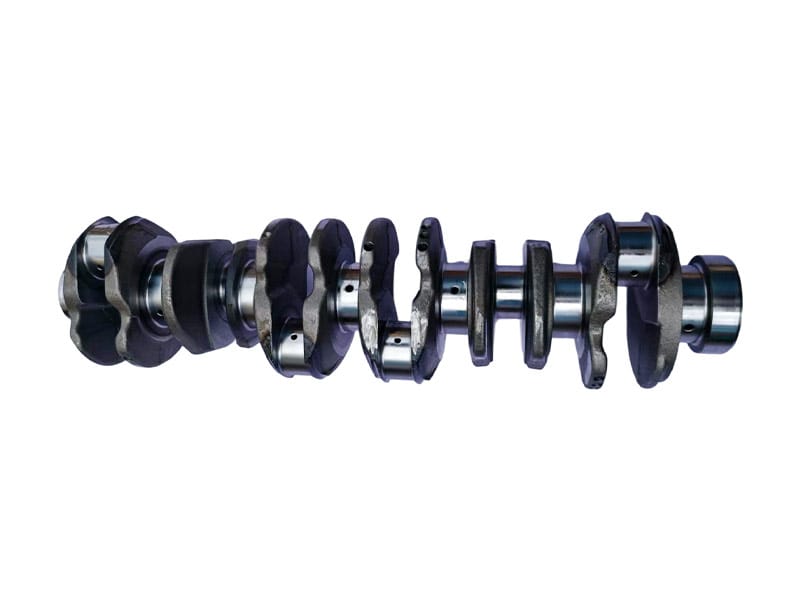
A well-prepared crankshaft RFQ should give the supplier enough information to identify the correct shaft before a quotation is approved. For heavy truck engine repairs, a crankshaft cannot be matched reliably from the engine family name or one overall dimension alone. Main-journal size, connecting-rod journal size, stroke, repair size, front and rear connections, bearing requirements, […]