An engine parts VIN lookup can be a useful starting point when a fleet, repair shop, or parts buyer needs replacement components for a heavy truck. A VIN can identify the vehicle and help narrow its original configuration, production information, and application history. But a VIN is not the same thing as a current engine identification record, and it should not be treated as proof that every engine component still matches the vehicle’s original build.
The safest approach is to use engine parts VIN lookup as one layer of evidence, then verify the actual engine installed in the truck. The engine plate, engine code, old-part reference, physical interfaces, repair history, and photographs remain important. This guide explains how to combine vehicle-level information with engine-level evidence so buyers can reduce incorrect parts matching.
What a VIN Can Tell You
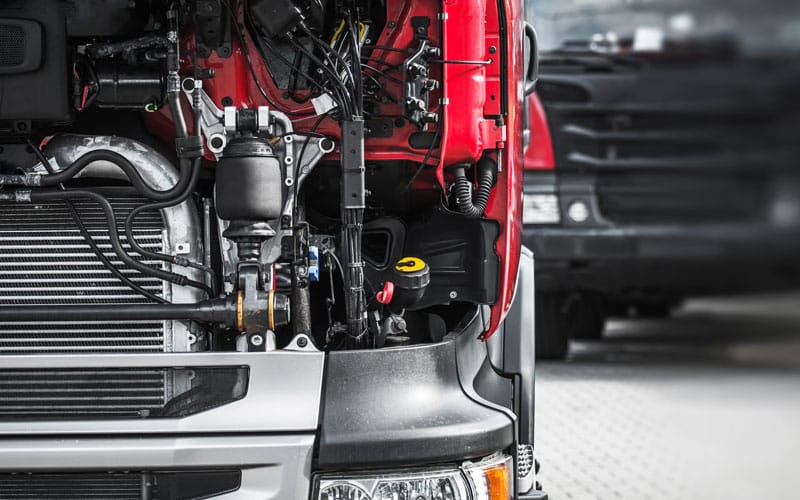
A vehicle identification number is a structured identifier assigned to a road vehicle. In many markets, it can be used to obtain manufacturer, model-year, production, and other vehicle-level information. The exact decoded fields depend on the manufacturer, jurisdiction, and data source.
For an engine parts VIN lookup, this information can help identify the truck platform that originally left the factory. It may narrow the likely engine family, transmission, model year, or market specification and can be valuable when the repair record is incomplete.
The official NHTSA VIN Decoder explains that a VIN is a 17-character identifier and that decoded information is reported by the manufacturer. ISO 3779 defines the content and structure of VINs for road vehicles. These sources are useful for understanding vehicle identification, but they do not replace the physical engine information needed for many internal engine parts.
Why an Engine Parts VIN Lookup Is Only the First Step
The central limitation of engine parts VIN lookup is that the VIN describes the vehicle identity, not necessarily every component currently installed years later. A heavy truck may have had an engine replacement, a short-block or long-block repair, a cylinder-head change, a crankshaft replacement, or other major service work.
If the engine has been changed, the VIN may still point to the original production configuration while the physical engine now belongs to a later replacement or service variant. That is why a buyer should never ignore the actual engine plate simply because a VIN result looks clear.
The best purchasing process uses the VIN to narrow the search, then confirms the engine and part physically before the order is approved.
VIN Data and Engine Plate Data Serve Different Purposes
A VIN identifies the vehicle. An engine plate identifies the engine unit or engine configuration. These records overlap, but they are not interchangeable.
For an engine parts VIN lookup, the VIN can support vehicle-level application research. The engine plate can provide the full engine model or code, serial information, rated specification, and other data relevant to the engine installed in the truck.
| Information Source | Best Used For | Main Limitation |
|---|---|---|
| VIN | Vehicle identity, original build context, model-year research | May not reflect later engine replacements or service changes |
| Engine identification plate | Current engine model or code and unit-level identity | Plate may be damaged, missing, or partly unreadable |
| Old part number | Direct replacement reference and cross-checking | May refer to an older or superseded version |
| Physical part | Interfaces, dimensions, casting marks, configuration | Requires inspection and correct interpretation |
| Repair history | Previous replacements, machining, engine swaps | Records may be incomplete |
Why Engine Swaps Can Break a VIN Only Parts Search
Engine replacement is one of the strongest reasons not to rely on engine parts VIN lookup alone. A truck may retain its original chassis and VIN while receiving a different replacement engine during its service life.
The replacement may be the same broad family but a different version. It may have different external accessories, calibration, control components, cylinder-head configuration, crankshaft, piston specification, or installation interfaces.
When the truck has a known engine-swap history, treat the engine plate and physical components as primary evidence. The VIN remains useful for understanding the vehicle installation, but the current engine should drive the internal-parts match.
Use the VIN to Establish Vehicle Context
A good engine parts VIN lookup still adds value. It can help verify whether the vehicle description supplied by the buyer is internally consistent and can provide context for the truck’s model year, production plant, manufacturer, or configuration.
For fleets with many similar vehicles, the VIN is also a reliable way to separate units in repair records. Instead of writing “Truck 3,” the service file can connect the VIN, engine code, and removed-part references to one vehicle.
This reduces the risk of mixing photographs or measurements from two similar trucks during a large repair project.
Always Photograph the Engine Identification Plate
After an engine parts VIN lookup, the next step should usually be a clear photograph of the engine identification plate. Keep the full plate visible rather than cropping only the engine code.
If one character is difficult to read, do not guess. Send the original-resolution image and mark the uncertain character in the written inquiry. A supplier can often compare the code with other physical evidence.
For a complete engine replacement, engine-plate data becomes even more important because power rating, version, installation interfaces, and control requirements may differ within the same engine family.
Check the Old Part Number Before Ordering
For internal engine components, the old part reference can be more directly useful than the vehicle VIN. A correct engine parts VIN lookup should therefore be followed by examination of the actual component being replaced.
Look for stamped, cast, engraved, printed, or labeled references on the old part. Photograph the number and the entire component so the supplier can see where the marking appears.
Do not assume every number is the final orderable reference. A casting number may identify a casting family, while a stamped part number may describe a finished configuration. Use all available markings as evidence rather than forcing one number to carry the whole fitment decision.
Cylinder Head Matching Needs More Than VIN Data
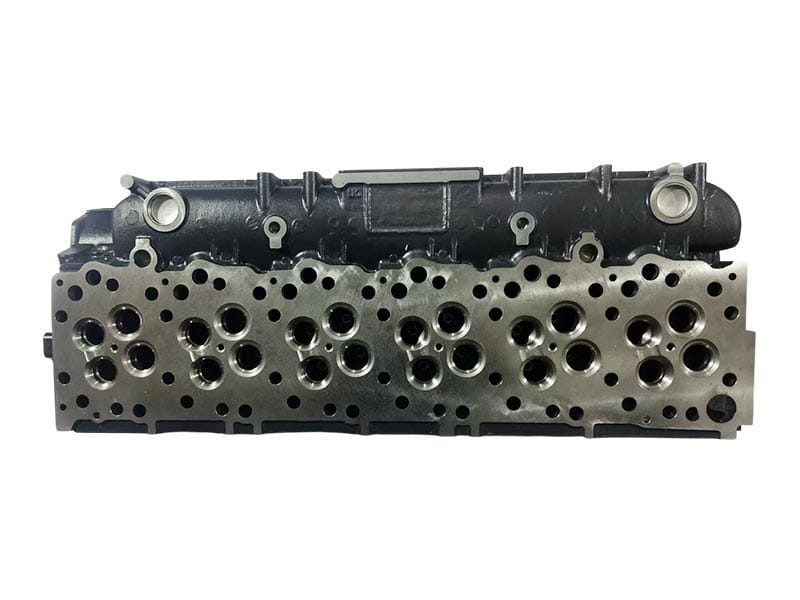
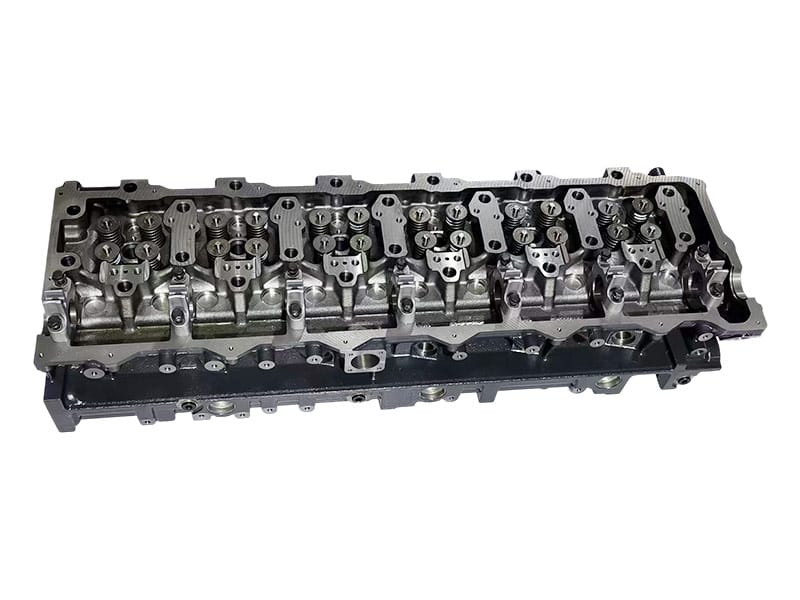
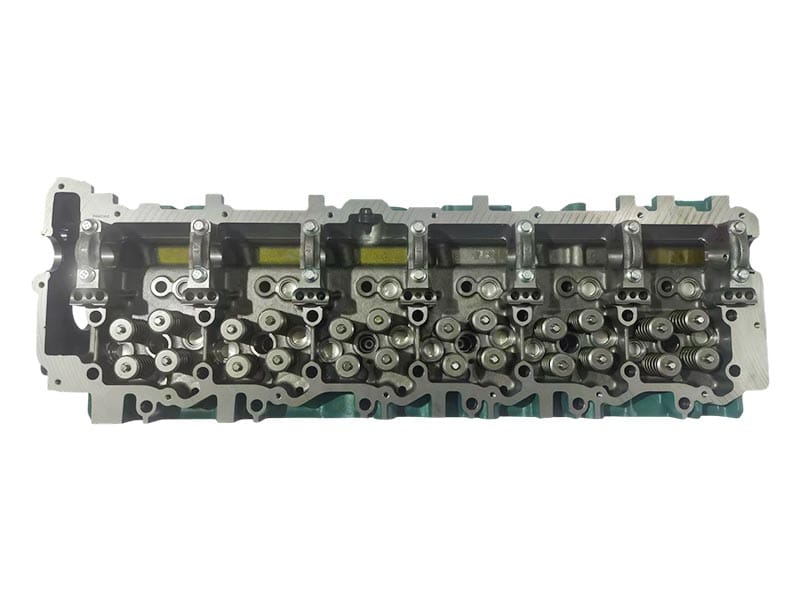
Cylinder heads are a good example of why engine parts VIN lookup needs engine-level confirmation. The same vehicle platform may have multiple engine versions, and the head can vary in casting marks, ports, mounting faces, injector-related features, and supplied components.
Before ordering, compare the complete engine code, old head reference, casting marks, combustion face, intake and exhaust ports, and other interfaces. The cylinder head identification guide explains how to build a practical identification package from engine and physical evidence.
The current cylinder head product category can help locate the relevant product family, but a category name should not replace fitment verification.
Pistons and Liners Require Dimensional Matching
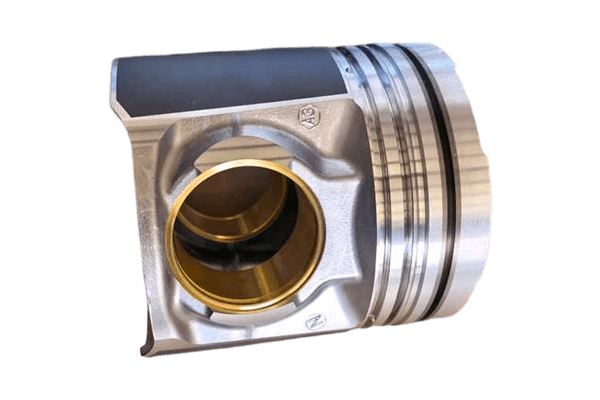
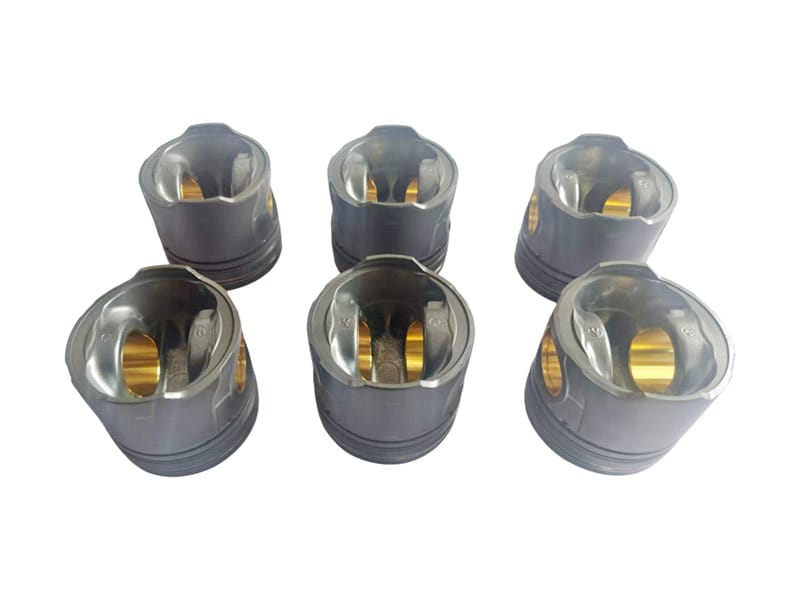
An engine parts VIN lookup may help identify the engine family, but pistons and liners still require product-specific checks. Bore relationship, piston design, compression height, pin dimensions, ring arrangement, liner type, and repair size can all affect compatibility.
This becomes particularly important after an engine has already been rebuilt. Previous machining or use of repair-size components may mean the current piston and liner configuration no longer matches the nominal original size.
The guide on piston and liner matching explains why the piston, liner, rings, and pin should be treated as a matched system rather than selected from one overall dimension.
Crankshaft Selection Needs Reference and Interface Evidence
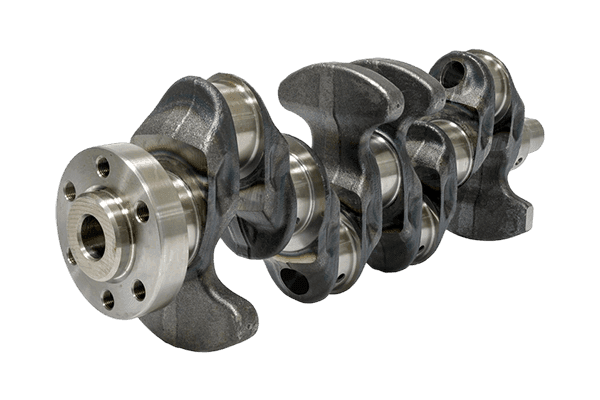
Crankshafts also demonstrate the limits of engine parts VIN lookup. Correct fitment can depend on main-journal size, rod-journal size, stroke, standard or repair size, front drive, rear flange, and previous machining history.
A VIN may identify the truck and likely engine application, but it cannot tell a supplier whether the crankshaft presently installed has been reground or replaced during an earlier rebuild.
If a crankshaft is being sourced, use the crankshaft RFQ guide to organize the engine code, shaft reference, journal information, stroke, front and rear interface photos, quantity, and related bearing requirements.
Oil Pumps Need Drive and Port Confirmation
An engine parts VIN lookup can narrow an oil-pump search, but oil-pump fitment often depends on the drive arrangement, mounting points, housing configuration, inlet and outlet positions, and related sealing details.
Two pumps can look similar from one angle while differing at the drive or port side. Send clear photographs of the removed pump and record the reference before cleaning or disposal.
The engine oil pump page specifically advises buyers to confirm the engine code, pump reference, drive, mounting pattern, ports, and related seals before ordering.
Engine Assemblies Need Installation Data as Well as VIN Data
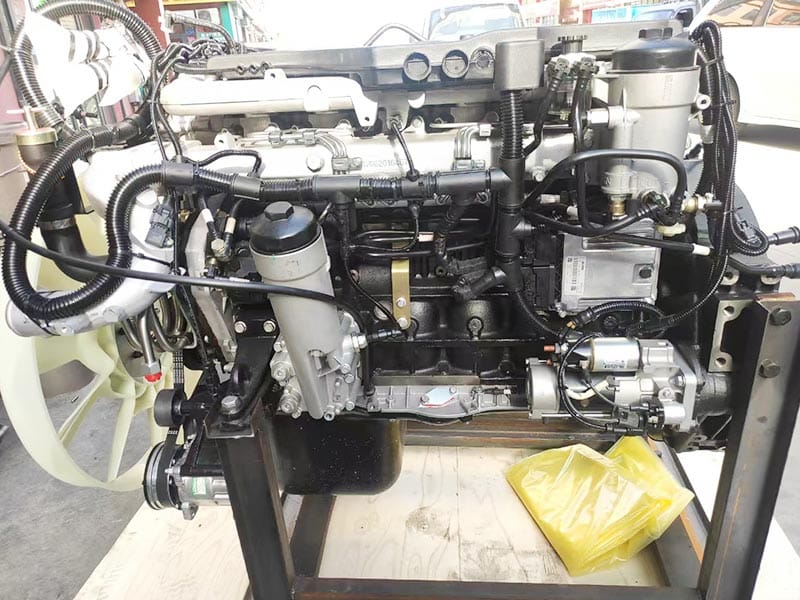
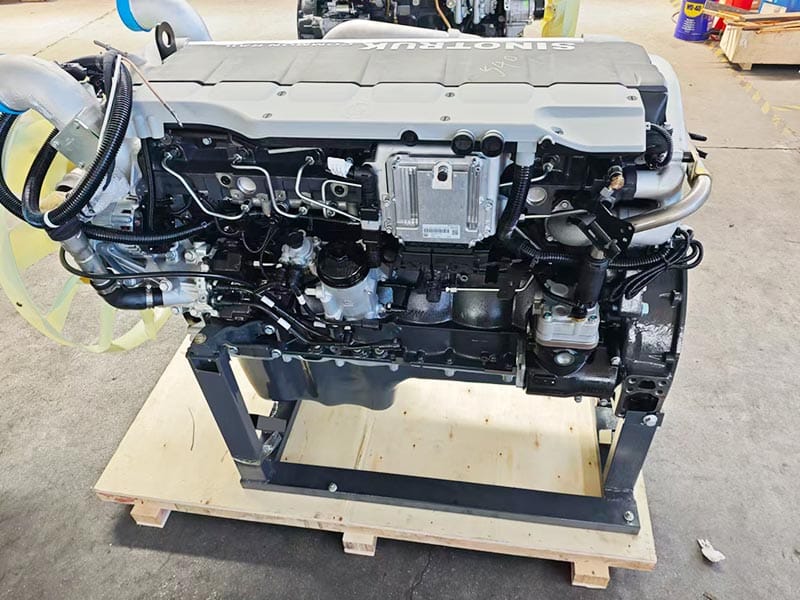
For a complete replacement engine, the engine parts VIN lookup becomes only one piece of a much larger matching process. The engine plate, gearbox connection, engine mounts, cooling interfaces, intake and exhaust layout, electrical connectors, control system, and external accessories all matter.
A truck that originally used one engine version may now have different wiring, brackets, control components, or transmission-side parts because of earlier repairs.
The engine assembly RFQ guide explains how to collect the engine plate, installation photos, accessory requirements, quantity, and destination before requesting a replacement quote.
When VIN Lookup Works Best
An engine parts VIN lookup is most useful when the vehicle is close to its original configuration, the VIN decodes cleanly, the engine plate agrees with the vehicle record, and the old part reference is still available.
In this situation, several independent pieces of evidence point in the same direction. The VIN identifies the truck, the engine plate identifies the engine, and the old component confirms the actual part installed.
The more these sources agree, the stronger the fitment case becomes.
When VIN Lookup Needs Extra Verification
Extra verification is important when the engine parts VIN lookup conflicts with the physical engine or repair history. Warning situations include a missing engine plate, known engine swap, previous major rebuild, unreadable old part numbers, different casting marks, non-original external components, or incomplete service records.
Do not force the physical engine to match the VIN record. Instead, document the difference and determine which configuration is actually present.
A supplier should be told about the conflict. A short note such as “vehicle VIN suggests original configuration A, but installed engine plate shows configuration B” is much more useful than silently choosing one source.
Use VIN Lookup to Support Parts Catalog Research
Parts catalogs often organize data by vehicle model, engine family, production period, or serial range. An engine parts VIN lookup can help place the vehicle into the correct catalog context.
However, catalog research should be checked against supersessions and service changes. An older part number may have been replaced by a newer approved reference. A service engine may use a different part from the original production engine.
When a supplier proposes a superseded or alternate reference, ask for the basis of the match rather than assuming every cross-reference is interchangeable.
Do Not Trust Unverified Online VIN Decoders for Technical Fitment
Free VIN decoding sites are easy to find, but the quality and origin of their data vary. For a professional engine parts VIN lookup, prefer authoritative vehicle-manufacturer data, official regulatory sources, reliable catalog systems, or supplier documentation that can explain the match.
The NHTSA decoder notes that its displayed information is reported by vehicle manufacturers. ISO 3779 provides the standardized structure for VIN content. These are useful reference points because the source and purpose of the data are clear.
A third-party website that returns an engine description without showing its data source should not become the only evidence behind an internal-engine-parts purchase.
Create a VIN Plus Engine Data Matching Record
A simple worksheet can turn engine parts VIN lookup into a repeatable purchasing process.
| Matching Field | Information to Record | Status |
|---|---|---|
| VIN | Full vehicle identification number | Confirmed / Unclear |
| VIN decode | Vehicle model, year and other relevant decoded data | Matches vehicle / Review needed |
| Engine code | Complete engine identification from plate | Confirmed / Missing / Partly readable |
| Engine serial | Unit-specific identifier where available | Recorded / Not available |
| Old part reference | Stamped, cast or documented number | Confirmed / Possible reference |
| Physical interfaces | Photos and key matching details | Matched / Open points |
| Repair history | Engine swap, rebuild, machining or prior replacement | Known / Unknown |
Use Different Evidence for Different Engine Parts
One of the biggest mistakes in engine parts VIN lookup is assuming that all engine components can be matched with the same information. The evidence should change with the product.
| Part | VIN Helps With | Additional Evidence Still Needed |
|---|---|---|
| Cylinder head | Vehicle and likely engine family | Engine code, head reference, casting marks, interfaces |
| Piston | Application context | Piston reference, dimensions, pin and ring details |
| Cylinder liner | Application context | Liner type, relevant dimensions, repair status |
| Crankshaft | Likely engine configuration | Reference, journal sizes, stroke, front/rear interfaces |
| Oil pump | Likely engine configuration | Drive, mounting points, ports, part reference |
| Engine assembly | Vehicle installation context | Engine plate, mounts, transmission, controls, accessories |
What to Do When the VIN and Engine Data Disagree
When engine parts VIN lookup points to one configuration and the installed engine shows another, stop the order and investigate the reason. Do not average the information or select whichever source is more convenient.
Check repair records for an engine swap. Compare engine-plate data with the physical installation. Review old invoices and part numbers. If necessary, send the supplier photographs of the engine plate and actual component.
The objective is to identify the engine currently in service, because that is the engine the replacement part must fit.
Build the RFQ From Verified Data
Once the engine parts VIN lookup and physical checks are complete, transfer the confirmed information into the RFQ. Keep verified facts separate from unresolved points.
For example, write “VIN confirmed,” “engine plate shows code X,” “old part reference partly readable,” and “rear interface photo attached.” This is more useful than sending one unstructured message containing numbers with no explanation of where they came from.
The engine parts RFQ checklist provides a broader structure for organizing part references, quantities, photos, supply scope, documents, and delivery requirements.
What to Send for an Engine Parts Matching Review
For an engine parts VIN lookup based inquiry, send the VIN, clear engine-plate photo, complete engine code, old part number or casting mark, multi-angle component photos, relevant dimensions, required quantity, and destination.
If the truck has a known engine replacement or rebuild history, mention it immediately. If the VIN data and current engine disagree, include both pieces of evidence instead of choosing one silently.
You can submit the engine details, parts list, quantities, photos, and destination through the contact page for a matching review.
Conclusion
An engine parts VIN lookup is a useful way to establish vehicle identity and narrow the original application, but it should not be treated as a complete engine-parts matching method. Heavy trucks may have engine swaps, rebuilds, superseded parts, repair-size components, and other changes that are not visible in a vehicle-level VIN result.
The stronger process combines VIN data with the current engine plate, old-part reference, physical interfaces, measurements, repair history, and product-specific fitment evidence. When these sources agree, the buyer has a much stronger basis for ordering. When they disagree, the difference should be resolved before the purchase order is released.
FAQ
Can an engine parts VIN lookup identify the exact engine part?
An engine parts VIN lookup can narrow the vehicle and original application, but it may not identify the exact current engine part after engine swaps, rebuilds, supersessions, or service changes. Confirm the actual engine and old part whenever possible.
Why do I still need the engine code if I have the VIN?
The VIN identifies the vehicle, while the engine code identifies the engine configuration installed in that vehicle. If the engine has been replaced or rebuilt, the engine code may be more directly relevant to internal engine-parts matching.
What if the VIN says one engine but the plate shows another?
Treat the conflict as evidence that the truck may have had an engine replacement or configuration change. Review repair history and physical installation before ordering parts. The current engine should drive the fitment decision.
Is an online VIN decoder enough for ordering engine parts?
No. Prefer authoritative VIN data and combine it with the engine plate, old part number, photos, and product-specific measurements or interfaces. Third-party decoder results without a clear data source should not be the only fitment evidence.
What information should I send with an engine parts VIN lookup inquiry?
Send the full VIN, engine-plate photo, engine code, old-part references, clear component photos, relevant measurements, required quantity, and repair history. This gives the supplier both vehicle-level and engine-level evidence for matching.