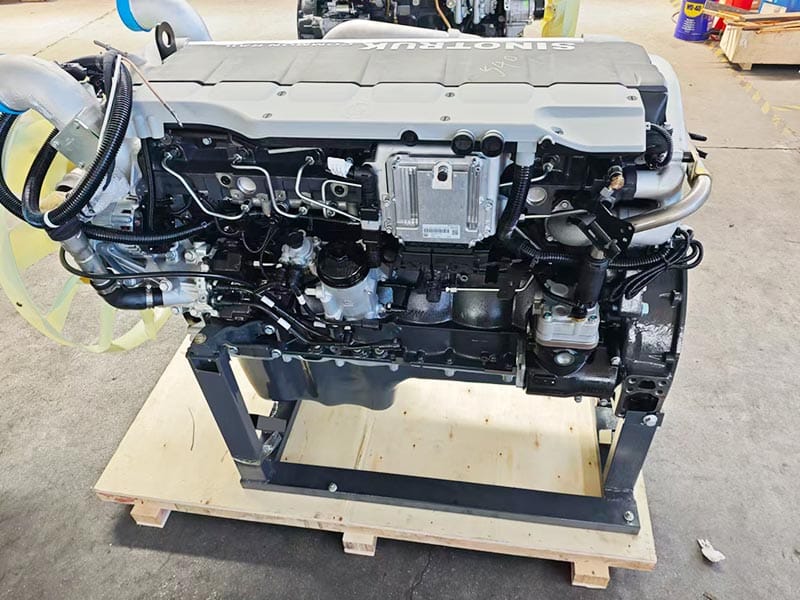
An engine parts wholesale order should be built around verified applications, not around a long list of broad product names. For distributors handling heavy truck engine components, one mixed order can contain cylinder heads, pistons, liners, piston pins, crankshafts, oil pumps, engine blocks, and engine assemblies. If the order is prepared only from product names and quantities, small differences in engine version, repair size, supply scope, or packaging can create large receiving problems later.
A better engine parts wholesale order starts with a controlled SKU list. Each line should connect the product reference to the engine application, technical evidence, approved sample or previous order, exact piece count, packaging requirement, and receiving instruction. This guide explains how distributors can organize a first wholesale order or repeat replenishment order with fewer fitment mistakes and clearer warehouse control.
Build the Engine Parts Wholesale Order From Verified SKUs
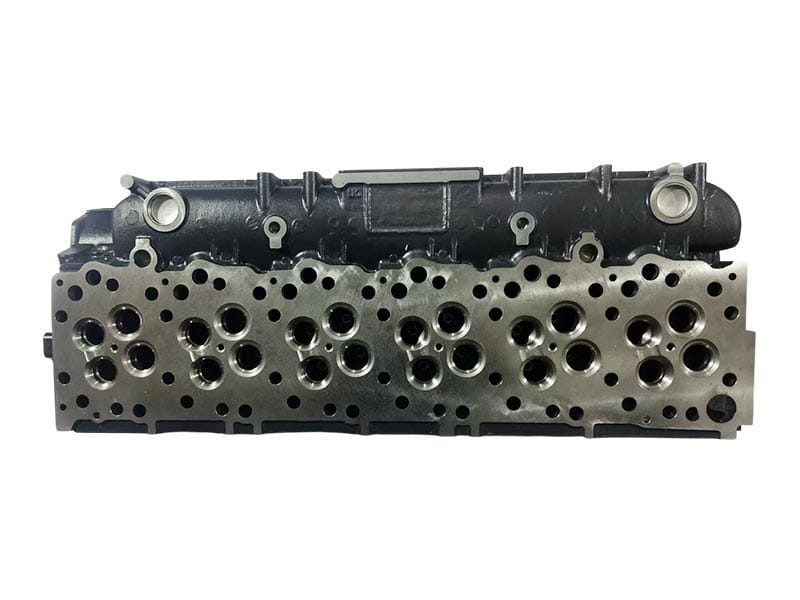
The first rule for an engine parts wholesale order is to separate verified SKUs from unverified opportunities. A distributor may want broad coverage, but stocking a part before the engine application is understood can create slow-moving inventory or returns.
For each line, record the product name, part reference, engine code or application, supply configuration, and any important fitment notes. If a reference is still under technical review, keep it in a separate pending list instead of placing it into the confirmed wholesale order.
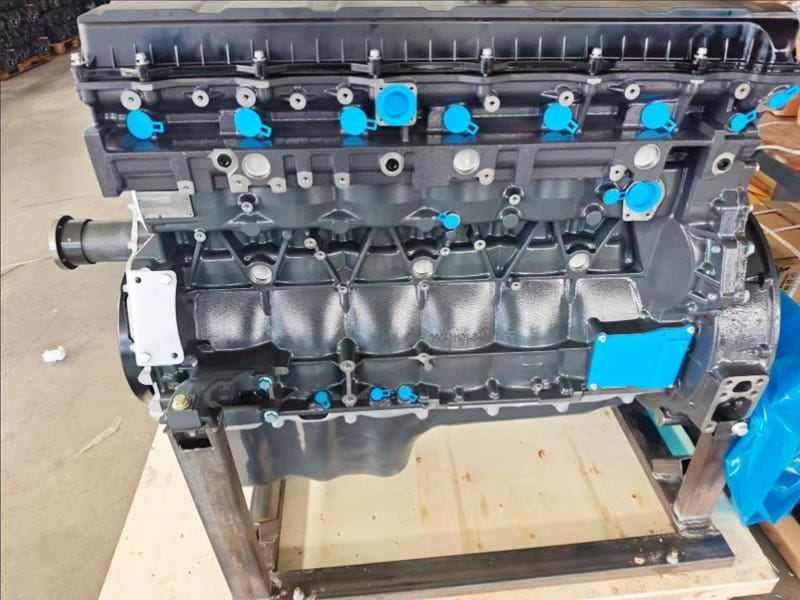
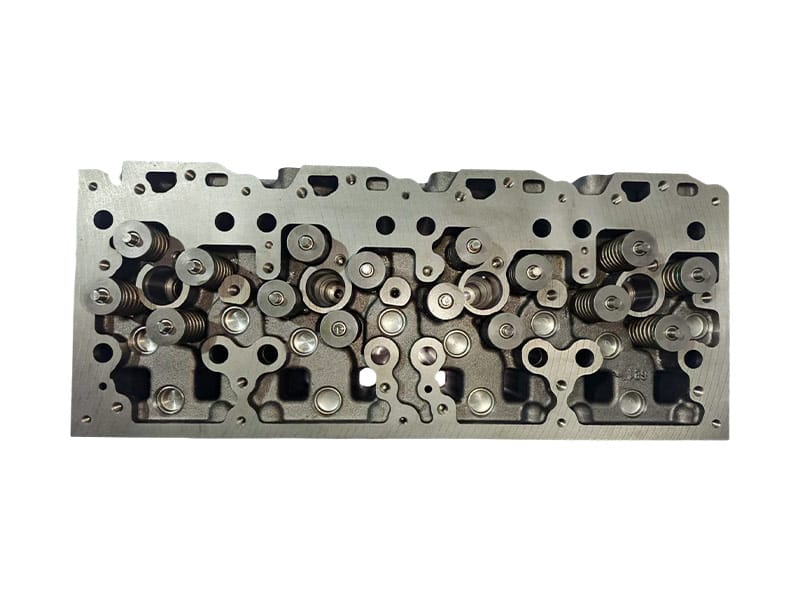
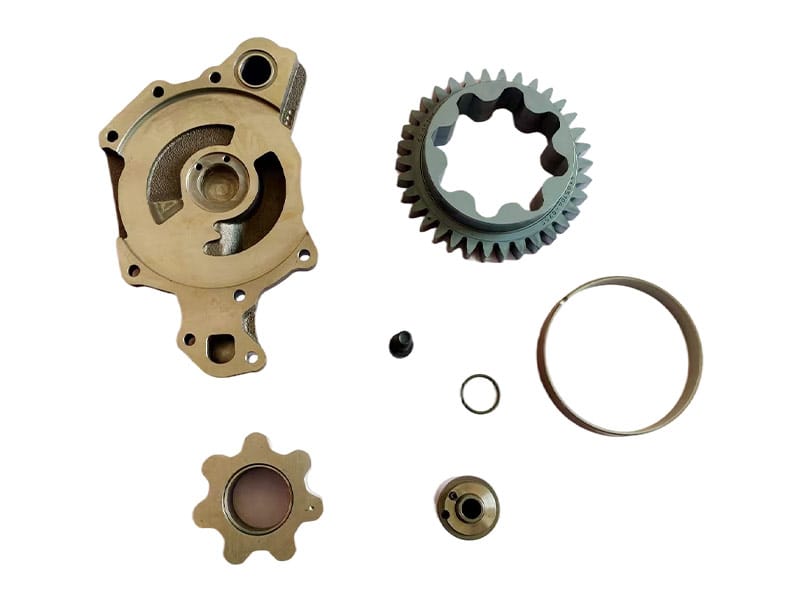
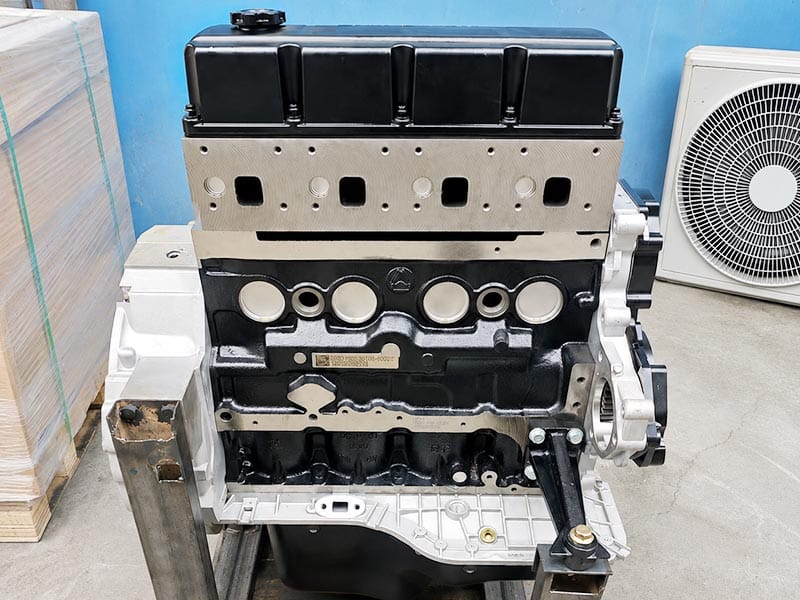
The current engine parts product range includes cylinder heads, pistons, crankshafts, cylinder liners, piston pins, oil pumps, engine blocks, and engine assemblies. These product groups can support different stocking strategies, but each SKU should still be verified individually before volume ordering.
Do Not Treat Product Family Names as SKUs
A common mistake in an engine parts wholesale order is using a broad engine family or component type as the purchasing line. “Cylinder head,” “crankshaft,” or “oil pump” is not enough for warehouse control.
The SKU should identify the exact replacement reference or a clearly defined internal distributor code linked to the supplier reference. Where one internal code covers more than one approved cross-reference, that relationship should be documented in the item master.
Do not mix uncertain cross-references into the same SKU simply because the parts look similar. The warehouse should be able to trace one received part back to one approved application record.
Use a First Sample or Pilot Order for New SKUs
When a distributor has not purchased a particular part before, a pilot order can reduce risk before the SKU is included in a larger engine parts wholesale order.
The sample or first small batch can be used to confirm labeling, physical interfaces, packaging, fitment evidence, documentation, and receiving procedures. If the product will be sold repeatedly, the approved sample should be photographed and linked to the internal SKU record.
This does not mean every repeat order needs a physical sample approval. Once the SKU, supplier reference, specifications, and receiving criteria are controlled, the distributor can use that approved baseline for future replenishment.
Separate Technical Approval From Commercial Quantity
A strong engine parts wholesale order has two approvals. Technical approval answers whether the SKU is the correct part for the intended application. Commercial approval answers how many units should be ordered.
These decisions should not be reversed. High expected demand does not justify placing a large order for a part whose fitment is still uncertain.
For new items, confirm the engine application, old-part reference, interfaces, dimensions where required, and supply scope before calculating the stocking quantity.
Plan Quantities by SKU Instead of by Product Category
Quantity planning for an engine parts wholesale order should happen at SKU level. Ten cylinder heads from three different engine applications are not the same inventory decision as ten units of one confirmed head.
Use sales history where available. For new SKUs, use known fleet population, existing customer demand, workshop requests, lead time, order frequency, and stock-risk assumptions. Keep speculative demand separate from confirmed customer requirements.
A distributor may choose a lower initial quantity for a new technical SKU and increase replenishment after fitment and demand are proven.
Separate Fast Moving Parts From High Value Assemblies
Different product groups should not be stocked with the same logic. An engine parts wholesale order containing small internal parts and complete engine assemblies needs different quantity controls.
Pistons, liners, and pins may be ordered in repeated sets if the applications are stable. Crankshafts, engine blocks, and engine assemblies normally require stronger application confirmation and may be ordered in lower quantities because each unit represents a larger inventory commitment.
The goal is not to minimize stock at all costs. It is to align order size with verified demand and application certainty.
Confirm Whether Quantities Are Pieces, Sets, or Engine Sets
Unit-of-measure confusion can make a technically correct engine parts wholesale order arrive with the wrong quantity.
For each line, specify whether the quantity is pieces, pairs, cylinder kits, complete engine sets, cartons, or assemblies. Avoid using “set” without defining what the set contains.
The article on piston liner kit contents explains why a repair kit should be converted into a line-by-line BOM instead of relying on the word “kit.”
Define the Supply Scope for Every Assembled Product
Supply scope is especially important in an engine parts wholesale order containing cylinder heads, fitted blocks, or complete engine assemblies.
A cylinder head may be bare or fitted with selected valve-train components. An engine block may be a bare casting or include crankshaft, pistons, rods, liners, or other internal parts. An engine assembly may or may not include control components and external accessories.
The order should therefore contain an included/excluded list for every product where the word “complete” could be interpreted differently.
Create a Wholesale SKU Approval Table
| SKU Field | Distributor Record | Supplier Confirmation |
|---|---|---|
| Internal SKU | Unique warehouse code | Reference only |
| Supplier reference | Approved part number | Quoted reference |
| Engine application | Engine code / verified platform | Fitment basis |
| Supply scope | Bare / fitted / included components | Included and excluded list |
| Unit of measure | Piece / set / engine set / assembly | Confirmed pack unit |
| Sample status | Approved / pending / not required | Sample reference where used |
| Order quantity | Planned units | Quoted units |
Keep Engine Application Evidence With Each SKU
A distributor should be able to explain why each line in an engine parts wholesale order fits the intended engine. Useful evidence can include the engine code, old part number, casting mark, approved cross-reference, dimensions, and sample photos.
The amount of evidence depends on the product. Cylinder heads may need casting and interface photos. Crankshafts may require journal and end-connection information. Oil pumps may require drive and port layouts. Engine assemblies require a wider interface record.
This application file becomes especially valuable when sales staff or warehouse staff change over time.
Use Clear Product Photos in the Item Master
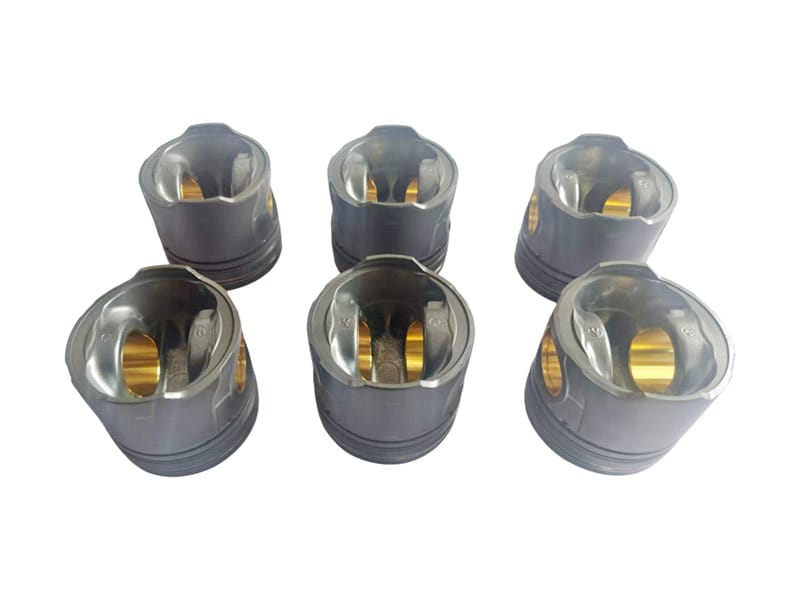
Approved photographs can help warehouse teams recognize the correct SKU during an engine parts wholesale order receiving process.
Use a full product view plus close-ups of labels, references, and distinctive interfaces. Avoid relying on a supplier marketing image that may show optional components or a different configuration.
Where two SKUs look similar, add a photo highlighting the feature that separates them.
Confirm Labels Before the Order Ships
Label design should be agreed before a large engine parts wholesale order leaves the supplier.
The label can include the distributor SKU, supplier reference, quantity, engine application where appropriate, carton number, and purchase-order line. The exact format depends on the distributor’s warehouse system.
Good labeling reduces the chance that similar components are mixed during receiving, shelving, picking, or repacking.
Plan Cartons Around Warehouse Receiving
Packaging should support the distributor’s downstream workflow. A good engine parts wholesale order does not only survive transportation; it should also be easy to receive and identify.
A carton containing several unrelated SKUs can slow warehouse checking and increase mixing risk. When practical, keep one SKU per clearly labeled internal package or make the mixed-carton packing list precise enough that each line can be counted quickly.
Heavy crankshafts, blocks, and assemblies require secure supports and lifting planning, while smaller pistons, pins, and seals require protection against mixing and surface damage.
Use a Carton Level Packing List
A carton-level packing list improves traceability in an engine parts wholesale order.
| Carton Field | Recommended Information |
|---|---|
| Carton number | Unique number within shipment |
| Purchase-order line | Links package to order |
| Distributor SKU | Warehouse item code |
| Supplier reference | Physical part reference |
| Quantity | Exact pieces or defined sets |
| Net / gross weight | Where required for logistics |
| Package dimensions | Useful for warehouse planning |
Separate Product Dimensions From Packing Dimensions
Product and packing dimensions serve different purposes in an engine parts wholesale order. Product dimensions can support identification or handling, while carton dimensions support freight and warehouse planning.
Do not use packing dimensions as technical fitment data. A product page can publish both values, but they should remain separate fields in the distributor’s system.
This is particularly important for crankshafts, oil pumps, engine blocks, and assemblies, where the packaging can be substantially larger than the product itself.
Confirm Required Documents Before Shipment
Before an engine parts wholesale order ships, define which documents are required. These may include a commercial invoice, packing list, product references, identification photos, inspection records where agreed, and any other documents required by the order or destination.
Do not request vague “quality documents” if the distributor actually needs a specific inspection report, traceability record, or packing photo.
ISO 9001 provides a framework for quality-management systems, but a general quality-system certificate does not replace product-specific fitment or inspection evidence. The purchasing specification should state which records matter for the actual shipment.
Use Incoterms Correctly in the Commercial Order

For international wholesale orders, the delivery basis should be written clearly. The International Chamber of Commerce maintains the Incoterms rules used to define certain responsibilities, costs, and risk transfer between buyer and seller.
An engine parts wholesale order should state the agreed Incoterms rule and named place rather than using a trade term without location.
Commercial delivery terms should remain separate from product fitment and quality requirements. A shipment term cannot resolve a wrong-part problem.
Plan Incoming Inspection Before the Shipment Arrives
The warehouse should know how the engine parts wholesale order will be inspected before the truck or container reaches the receiving dock.
The engine parts incoming inspection guide provides a cross-category receiving process covering PO verification, labels, quantity, packaging, visible condition, fitment evidence, documents, and quarantine.
For new SKUs, inspection can be more detailed. Repeat SKUs with stable supplier performance may use a risk-based inspection plan for selected characteristics.
Keep New SKUs Separate From Repeat SKUs at Receiving
A distributor can reduce workload by separating new products from stable replenishment items in an engine parts wholesale order.
New SKUs may require sample comparison, dimensional checks, application review, or technical approval before release. Repeat SKUs may be checked primarily for identity, quantity, condition, and agreed critical characteristics.
This approach lets the warehouse focus technical resources where uncertainty is highest.
Use Quarantine for Unclear Parts
If one line in an engine parts wholesale order does not match the PO, package label, or approved sample, isolate that item rather than releasing it into stock.
The previous guide on wrong engine parts delivered explains how to preserve packaging, compare references, photograph the mismatch, and request supplier clarification before installation or modification.
A warehouse hold process prevents a questionable SKU from reaching a customer while the technical review is still open.
Do Not Mix Different Engine Versions Under One Stock Code
One of the most expensive distributor mistakes is merging similar engine variants into one internal stock code. An engine parts wholesale order should keep technically different items separate even if their descriptions are almost identical.
For example, two heads may share a broad engine-family description but differ in casting, ports, injector arrangement, or supplied components. Two crankshafts may look alike but use different journals or end connections.
The stock code should reflect real interchangeability, not visual similarity.
Build a First Order Approval Workflow
A practical first engine parts wholesale order can follow a controlled sequence:
Technical review: confirm application, reference, fitment evidence, and supply scope.
Sample or pilot approval: inspect a sample or small quantity where the SKU is new or technically sensitive.
Commercial planning: define quantity, delivery terms, destination, and documentation.
Packaging approval: confirm labels, carton structure, and packing list format.
Shipment release: review final PO, proforma, BOM, and open technical points.
Receiving approval: inspect the shipment against the approved baseline before stock release.
Track Supplier Performance After Each Wholesale Order
Every engine parts wholesale order should create data for the next one. Track wrong references, quantity errors, packing damage, missing documents, mixed cartons, fitment questions, and customer returns by SKU and shipment.
If the same issue repeats, update the RFQ or receiving rule. If the supplier demonstrates stable performance, selected low-risk checks may be simplified under an approved quality plan.
The objective is to improve repeatability rather than treating every order as a new project.
Use Sales Feedback to Improve Replenishment
After the first order is in stock, use real sales and workshop feedback to adjust the next engine parts wholesale order.
Track which SKUs move quickly, which applications generate repeated matching questions, which parts require extra documentation, and which items remain slow-moving.
A technically correct SKU with very low demand may deserve a smaller replenishment quantity. A stable fast-moving item may justify higher stock, provided the fitment and supply configuration remain unchanged.
Prepare a Distributor Wholesale Order Table
| Order Field | Distributor Input | Supplier Confirmation |
|---|---|---|
| SKU / part reference | Approved internal and supplier codes | Quoted reference |
| Engine application | Verified engine code or platform | Matching basis |
| Supply scope | Required BOM | Included / excluded items |
| Quantity | Pieces or defined sets | Quoted quantity |
| Sample status | Approved / pending | Sample link or record |
| Label | Distributor SKU and PO format | Confirmed |
| Packing | Carton and handling requirements | Confirmed |
| Documents | Required shipment records | Available / confirmed |
| Destination | Warehouse / port / country | Delivery basis |
What to Send When Requesting a Wholesale Engine Parts Quote
For an engine parts wholesale order, send a structured spreadsheet rather than a long unformatted message. Each line should include the product name, supplier or old part reference, engine application, required quantity, supply scope, sample status, and any product-specific matching information.
Attach engine plates, old-part photos, drawings, or dimensions only where they are needed to confirm a line. Keep file names linked to the SKU or RFQ line number.
You can review the current engine parts range and submit engine details, parts list, quantities, and destination through the contact page for a matching and quotation review.
Conclusion
A reliable engine parts wholesale order is not simply a large version of a retail inquiry. It needs stronger SKU control, clearer application evidence, defined units of measure, approved supply scope, planned packaging, and a warehouse receiving process.
For distributors, the best first order is built from verified parts rather than the widest possible catalog. Approve new SKUs carefully, use samples when uncertainty is high, keep different engine variants separate, label cartons clearly, and connect every received item to the original PO and application record. Once that foundation is stable, repeat wholesale orders become faster to replenish and easier to inspect.
FAQ
What should an engine parts wholesale order include?
An engine parts wholesale order should include the exact SKU or part reference, verified engine application, supply scope, unit of measure, quantity, sample status where relevant, packaging and label requirements, required documents, destination, and agreed delivery basis.
Should distributors order samples before a large engine parts order?
A sample or pilot batch is useful for new, high-value, or technically sensitive SKUs because it allows fitment, packaging, labeling, and receiving criteria to be confirmed before larger quantities are committed. Stable repeat SKUs may not need repeated sample approval.
How should quantities be written in a wholesale order?
Use exact units such as pieces, cylinder kits, complete engine sets, or assemblies. Avoid writing “set” unless the BOM is defined. Each SKU should show both the unit of measure and the total quantity.
How can distributors reduce wrong-part inventory?
Keep different engine versions under separate SKUs, link every SKU to application evidence, use approved samples or photos, define the supplier reference, and quarantine any receiving discrepancy before the part enters normal inventory.
What information should be sent to request a wholesale quote?
Send a spreadsheet listing engine applications, part references, quantities, supply scope, and destination. Add photos, engine codes, or technical dimensions only where needed for matching. A well-structured engine parts wholesale order gives the supplier and warehouse the same reference from quotation through receiving.