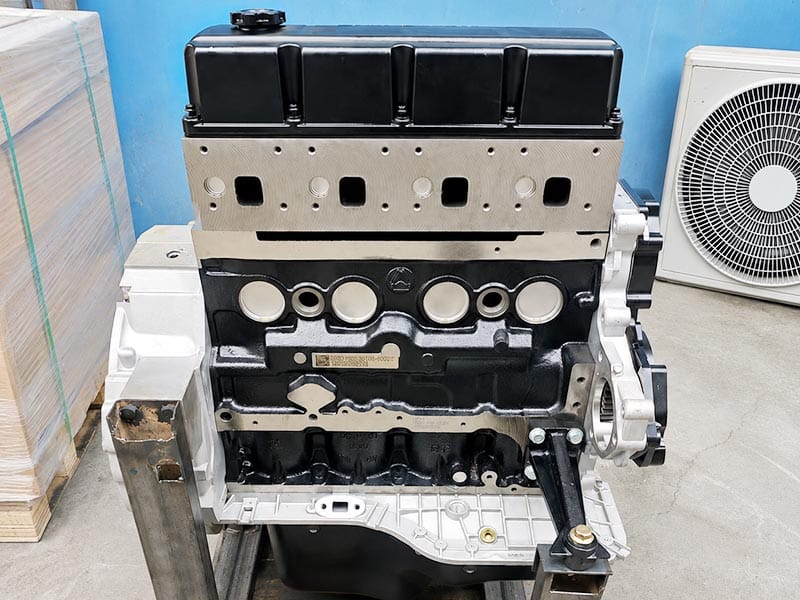
The difference between short block vs long block sounds simple until a workshop asks what will actually arrive with the replacement engine. In general, a short block contains the lower engine assembly built around the cylinder block and rotating parts, while a long block adds the cylinder head or heads and more of the upper engine assembly. The problem is that these terms are not a universal bill of materials. Two suppliers can use the same label while including different components.
For heavy truck repairs, the safest way to compare short block vs long block is not to rely on the label alone. Instead, define the failed engine, identify which components can be reused, list every part expected in the replacement, and confirm the included and excluded items in writing. This guide explains how to make that decision from a repair and purchasing perspective rather than from terminology alone.
What a Short Block Usually Means
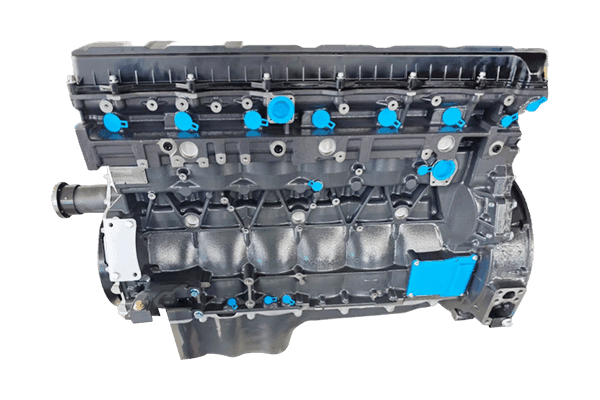
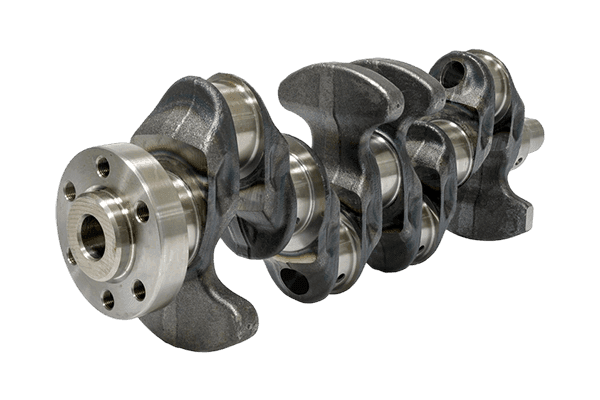
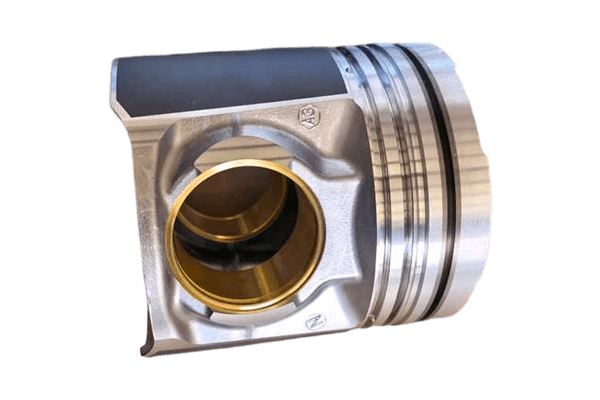
In most engine-rebuild contexts, a short block refers to the lower assembled engine. It typically starts with the cylinder block and includes the crankshaft, connecting rods, pistons, rings, and main and connecting-rod bearings. Depending on the engine design and supplier, additional lower-engine components may also be fitted.
The key point in a short block vs long block comparison is that a short block normally stops below the cylinder head. The buyer is therefore expected to supply or reuse the head and many top-end components.
For a heavy truck workshop, a short block can make sense when the existing cylinder head, valve train, and external systems are known to be serviceable and can be transferred after inspection. It can also suit a rebuild where the workshop wants more control over the upper-engine components.
What a Long Block Usually Means
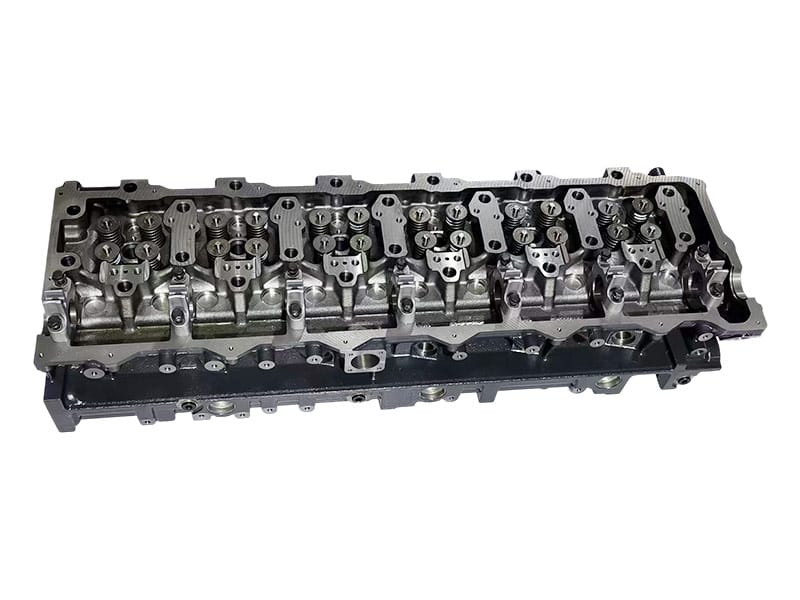
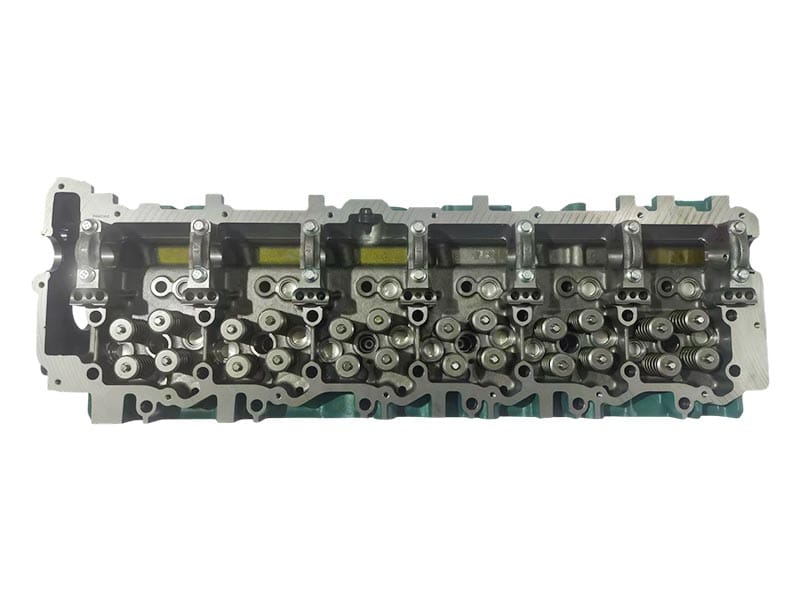
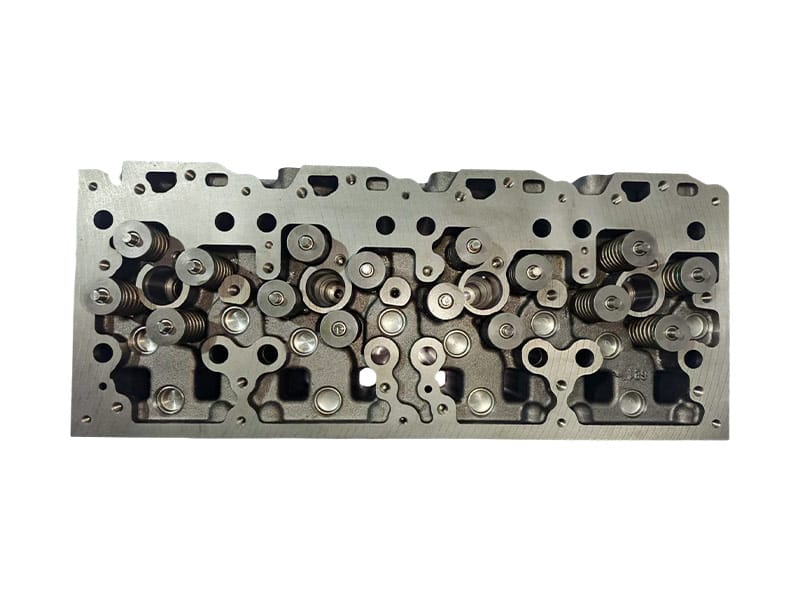
A long block normally starts with the short-block assembly and adds the cylinder head or heads, together with more of the valve-train and timing-related structure. In an overhead-cam engine, this can include camshaft-related components located in the head. Other components may or may not be included depending on the supplier.
This is why the short block vs long block decision should never be based on one generic checklist downloaded from the internet. Some long blocks may include oil pumps, covers, timing components, manifolds, or other fitted parts, while others may not.
A long block can reduce the amount of internal engine assembly required in the workshop, but it still may not be a complete installation-ready engine. Fuel-system parts, electronic controls, turbocharger, starter, alternator, wiring, flywheel-related components, brackets, manifolds, and other accessories often require separate confirmation.
Why the Names Are Not Enough for Purchasing
The most important purchasing lesson in short block vs long block is that the terminology describes an approximate level of assembly, not a standardized packing list.
One supplier may define a short block as block, crankshaft, rods, pistons, and bearings. Another may add an oil pump or timing components. One long block may arrive with assembled heads and covers, while another may include additional accessories.
For Mancheyu’s current engine-block listings, the same principle is stated directly: buyers should specify whether they need a bare block or a unit with fitted components, and the quotation should confirm which crankshaft, pistons, connecting rods, cylinder head, and other parts are included. The product image is not a packing list.
Short Block vs Long Block Comparison by Component
The following table gives a practical framework for discussing short block vs long block. It is not a universal supply specification. Every item should still be confirmed in the quotation for the exact engine and supplier.
| Component | Short Block | Long Block | Need Written Confirmation? |
|---|---|---|---|
| Cylinder block | Usually included | Usually included | Yes |
| Crankshaft | Usually included | Usually included | Yes |
| Connecting rods | Usually included | Usually included | Yes |
| Pistons and rings | Usually included | Usually included | Yes |
| Cylinder head | Usually excluded | Usually included | Yes |
| Valve train | Usually excluded | Often included in some form | Yes |
| Timing components | Design dependent | Often partly or fully included | Yes |
| Oil pump | Supplier dependent | Supplier dependent | Yes |
| Turbocharger | Usually excluded | Often excluded | Yes |
| ECU and wiring | Usually excluded | Usually excluded | Yes |
Start the Decision With What Actually Failed
The best short block vs long block decision starts with the failure scope, not with which assembly sounds more complete. A lower-end failure involving the block, crankshaft, rods, pistons, or bearings may point toward a short-block replacement if the cylinder head and upper engine remain serviceable.
If the engine has suffered severe overheating, cylinder-head cracking, valve-train damage, or a failure that affects both upper and lower sections, a long block may reduce the amount of component reuse required.
However, the workshop should still inspect every reused part. A head that appears reusable should be checked for cracks, flatness, valve condition, and other applicable service criteria before a short-block strategy is approved.
When a Short Block Can Make Sense
In a short block vs long block comparison, a short block can be a practical option when the upper engine is already known to be suitable for reuse. The workshop may have recently rebuilt or inspected the head, or the failure may be isolated to the lower rotating assembly.
A short block can also give the workshop more control over which head, valve-train components, gaskets, and external systems are reused or replaced. This is useful when the repair plan already includes a detailed parts list.
The trade-off is that more assembly work and more technical responsibility stay with the workshop. The cylinder head must be inspected, transferred, and installed correctly. The correct gasket, fasteners, timing procedure, valve-train setup, and related specifications must all come from the applicable engine documentation.
When a Long Block Can Make Sense
A long block is often considered when the damage extends beyond the lower engine or when the workshop wants to reduce the amount of internal engine assembly required. In a short block vs long block decision, the long block usually provides more of the core internal engine in an assembled condition.
This can be helpful after major overheating, head failure, valve-train damage, or a rebuild where both upper and lower components are questionable. It can also simplify purchasing when the workshop does not want to manage separate head and bottom-end sourcing.
But “long block” still does not mean “drop-in complete engine.” The buyer must confirm the control system, fuel components, turbocharger, starter, alternator, manifolds, wiring, flywheel or clutch interfaces, engine mounts, and other external systems separately.
Compare the Existing Cylinder Head Before Choosing a Short Block
The condition of the current cylinder head is central to the short block vs long block decision. If the head is going to be reused, it should be inspected before the short block is ordered.
Look for evidence of cracking, warpage, valve-seat damage, guide wear, thread damage, and previous machining. If the engine overheated, the head deserves additional attention even if the original failure appears to be in the lower engine.
The previous guide on cracked cylinder head symptoms explains why overheating, coolant loss, compression problems, and cooling-system pressure should be confirmed through testing rather than treated as automatic proof of a cracked head.
Compare the Existing Crankshaft and Lower Engine Before Choosing a Long Block
The reverse is also true. A long block may replace more of the engine than necessary if the lower assembly remains serviceable and the main problem is isolated to the head.
Use a documented lower-engine inspection to understand the condition of the crankshaft, bearings, pistons, liners, and block. The crankshaft inspection guide explains how journal condition, dimensions, runout, interfaces, and repair history can be recorded before the rebuild decision.
The right short block vs long block choice depends on how much of the current engine can be reused with confidence, not simply on which replacement assembly contains more parts.
Understand the Difference Between Bare Block, Short Block, Long Block and Complete Engine
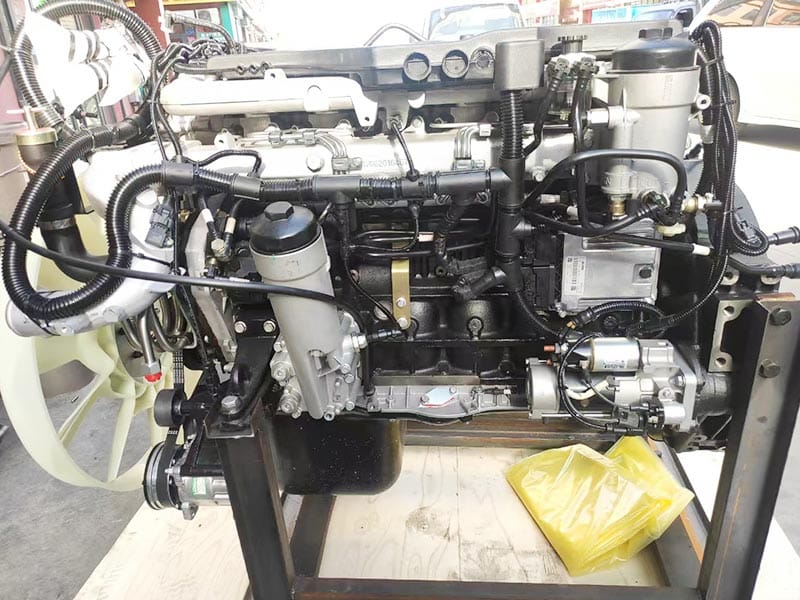
A bare block is only the cylinder block casting or machined block, without the rotating assembly. A short block generally adds the crankshaft, connecting rods, pistons, and bearings. A long block generally adds the cylinder head and more of the upper engine. A complete engine or engine assembly may add fuel, air, electrical, starting, charging, control, and other external systems.
This hierarchy is useful, but the short block vs long block labels should still be treated as conversation starters rather than contractual definitions.
For example, the MC05 engine block page specifically asks buyers to clarify whether the requirement is for a bare block or a unit with fitted internal components. The MC07 engine assembly page takes the next step by asking buyers to confirm installation interfaces and the external components required with the assembly.
Do Not Assume a Fitted Engine Block Is a Short Block
A product photo may show a block with internal components already installed. That does not automatically mean the supplier uses the term “short block” for that configuration.
This is a particularly important short block vs long block purchasing rule. A photo shows one physical example; the quotation defines what is actually being sold.
The D2066 and 2076 engine block listing explicitly notes that the photograph shows an assembled unit and requires buyers to itemize the crankshaft, pistons, connecting rods, cylinder head, and any external accessories required. This is the safer way to purchase an engine-block configuration.
For purchasing teams, short block vs long block should also be compared by how much assembly responsibility remains with the workshop.
Compare Workshop Labor and Assembly Responsibility
The amount of workshop work is one of the practical differences in short block vs long block. A short block normally requires the workshop to inspect, prepare, and install the cylinder head and more of the upper engine. A long block transfers more of that assembly work to the supplied engine unit.
This changes the technical responsibility of the repair. With a short block, the workshop must control head condition, gasket selection, tightening procedure, timing, valve-train assembly, and other top-end work. With a long block, some of these items may already be assembled, but the workshop must still verify the supplied configuration and install the remaining external systems correctly.
Do not compare the two options only by purchase price. Compare the total repair scope, parts still required, machining work, inspection workload, installation labor, and risk of discovering an unusable reused component later.
A realistic short block vs long block decision depends on the condition of every major component planned for reuse.
Check Whether Reused Components Are Actually Reusable
A short block strategy often depends on transferring parts from the old engine. A long block strategy may also reuse manifolds, fuel equipment, electrical components, brackets, turbocharger, starter, alternator, and other systems.
For a valid short block vs long block comparison, every major reused component should have a planned inspection. A part should not be classified as “reusable” merely because it did not cause the original failure.
For example, an engine that suffered metal contamination from a bearing failure may require inspection and cleaning of oil-system components that appear visually undamaged. An overheating event may affect the head and cooling-system parts even if the lower-engine failure drew most of the attention.
Confirm Engine Identity Before Comparing Any Assembly
The correct short block vs long block choice is irrelevant if the replacement assembly is matched to the wrong engine version. Before requesting a quote, record the complete engine code, plate information, block or assembly reference, and relevant installation details.
A vehicle VIN can support application research, but engine data still matters, especially when a truck has been rebuilt or had an engine replacement. The official VIN decoder is useful for understanding vehicle-level identification, but it should not replace physical engine identification.
If the engine code or plate is unclear, send photographs and mark uncertain characters rather than guessing.
Use an Included and Excluded Components Table
The most effective way to eliminate ambiguity in short block vs long block quotations is to use a bill-of-materials style comparison.
| Component | Required | Reuse Existing | Supplier Included | Open Point |
|---|---|---|---|---|
| Block | Yes / No | Yes / No | Confirm | Reference / configuration |
| Crankshaft | Yes / No | Yes / No | Confirm | Standard or repair size |
| Pistons and rods | Yes / No | Yes / No | Confirm | Matching specification |
| Cylinder head | Yes / No | Yes / No | Confirm | Bare or fitted configuration |
| Timing components | Yes / No | Yes / No | Confirm | Exact included parts |
| Oil pump | Yes / No | Yes / No | Confirm | Drive and part reference |
| Turbocharger | Yes / No | Yes / No | Confirm | External accessory |
| ECU and harness | Yes / No | Yes / No | Confirm | Control compatibility |
This table should be completed from the actual quotation, not from an assumed industry definition.
Compare Installation Interfaces Before Ordering
Whether the buyer selects a short block or long block, installation interfaces must be checked. These can include engine mounts, transmission connection, flywheel housing, cooling ports, oil connections, intake and exhaust interfaces, sensor locations, electrical connections, and external accessory mounts.
This is especially important when the short block vs long block discussion involves an engine family with multiple versions. A supplier may provide the correct assembly level but the wrong physical configuration.
If a complete or near-complete replacement is being considered, the earlier engine assembly RFQ guide provides a structured way to collect plate information, interface photos, accessory requirements, quantity, and destination before requesting a quote.
Receiving inspection is part of a reliable short block vs long block purchasing process, not an optional final step.
Inspect and Document the Replacement Before Installation
A long block or short block should be checked when it arrives. Compare the identification, interfaces, supplied parts, visible condition, and documentation against the purchase order.
For a short block vs long block purchase, receiving inspection should answer two questions: did the correct engine configuration arrive, and did it arrive with the agreed component scope?
Do not wait until installation begins to discover that a timing component, cover, sensor interface, or other required item was not included. Photograph the shipment on receipt and preserve the package identification until the assembly has been verified.
Consider Quality Records and Traceability
For a high-value engine assembly, the buyer may require identification records, dimensional inspection, packing photos, or other agreed documents. The exact evidence should reflect the component and purchasing requirement.
Quality-management systems can support process control, but they do not replace engine-specific fitment verification. The ISO 9001 quality management overview explains the role of structured quality processes. A short-block or long-block quotation still needs its own identity, supply scope, and technical matching evidence.
The final short block vs long block choice should reflect the actual repair boundary rather than the terminology used in a listing.
Use the Repair Goal to Make the Final Choice
The final short block vs long block decision should answer a practical repair question: how much of the current engine can be reused confidently, and how much assembly responsibility should remain with the workshop?
If the lower engine is damaged but the head and top end are verified serviceable, a short block may fit the repair scope. If both upper and lower sections require major work, a long block may reduce the number of separate internal components that need to be sourced and assembled.
If most external systems also require replacement or the vehicle needs a much wider engine configuration, the buyer may need to compare a long block with a more complete engine assembly rather than stopping at the short-block question.
What to Send When Requesting a Short Block or Long Block Quote
For a short block vs long block quotation, send the complete engine code, engine-plate photo, existing block or assembly reference, failure summary, reusable-component list, required-component list, installation photos, quantity, and destination.
If a short block is being considered, provide the existing cylinder-head identification and inspection status. If a long block is being considered, specify which external components must be included and which will transfer from the old engine.
You can submit the engine plate, installation details, required assembly scope, quantity, and destination through the contact page. Ask for the included and excluded components to be stated in writing before approval.
Conclusion
The practical difference in short block vs long block is the amount of the engine supplied in assembled form, but the labels are not precise enough to serve as a purchasing specification. A short block usually contains the lower rotating assembly without the cylinder head, while a long block usually adds the head and more of the upper engine. The exact contents can still vary.
For heavy truck engine replacement, the better decision comes from the repair scope. Identify what failed, inspect what can be reused, confirm the exact engine version, compare installation interfaces, and use a written component list to define the replacement. That prevents a terminology difference from becoming an installation problem.
FAQ
What is the main difference between short block vs long block?
In general, a short block includes the cylinder block and lower rotating assembly, while a long block adds the cylinder head or heads and more of the upper engine. Exact included components vary by supplier, so the quotation should contain a written component list.
Does a long block include the turbocharger and ECU?
Not automatically. Turbochargers, fuel-system components, starters, alternators, electronic controls, wiring, manifolds, and other external accessories may be excluded. Confirm each required component individually.
When is a short block a better repair option?
A short block may fit the repair when lower-engine components are damaged but the existing cylinder head and upper engine are verified serviceable and suitable for reuse. The workshop must still manage the top-end inspection and assembly work.
Is a long block the same as a complete engine?
No. A long block generally includes more internal engine components than a short block, but it may still exclude many external fuel, air, electrical, control, and accessory systems. A complete engine assembly usually includes a wider configuration, which must still be confirmed in writing.
What information should I send for a short block vs long block quote?
Send the full engine code, plate photo, existing block or engine reference, failure scope, reusable parts, required components, relevant installation-interface photos, quantity, and destination. Ask the supplier to return an itemized included and excluded list.