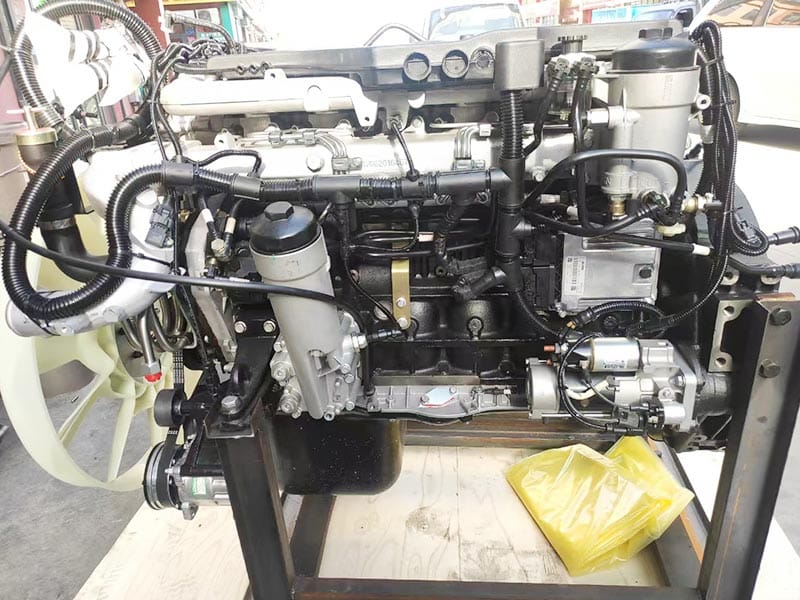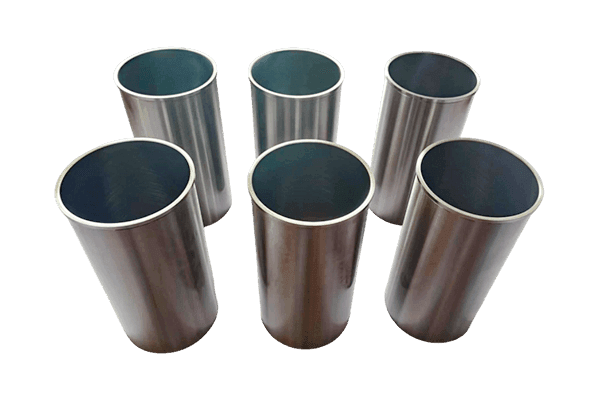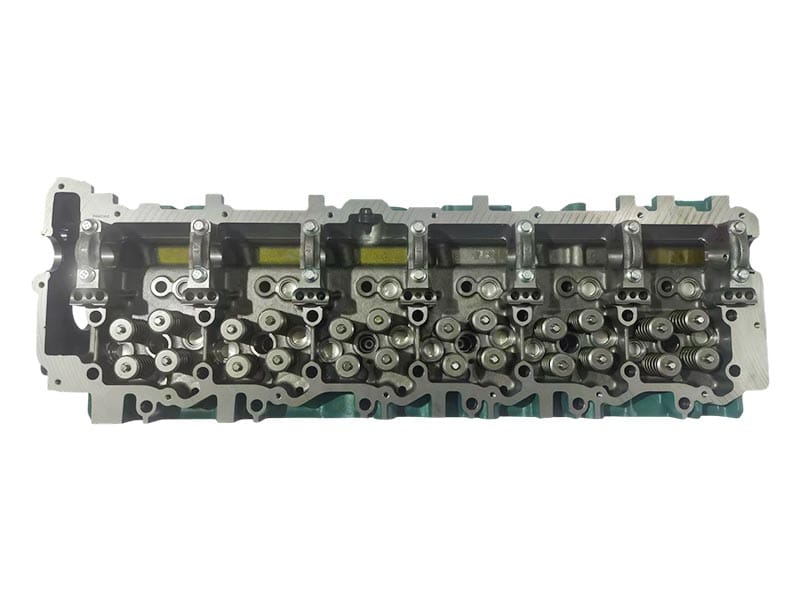
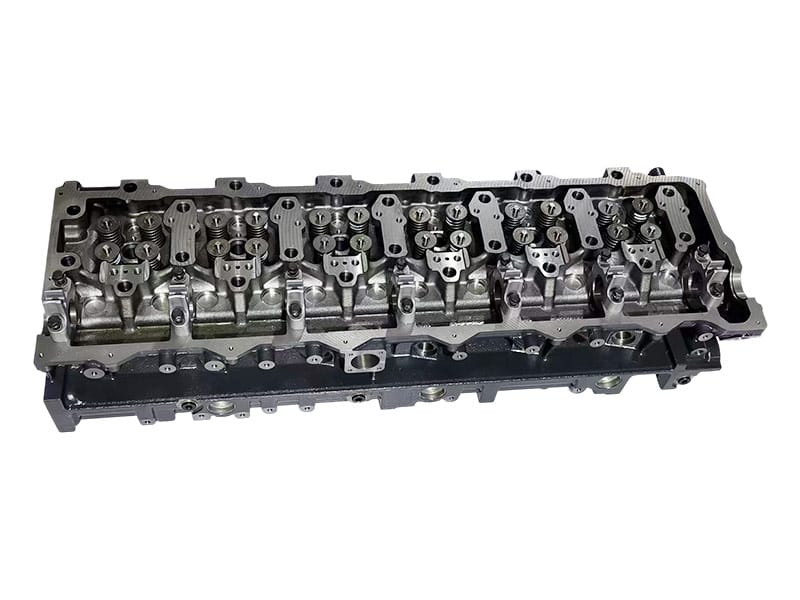
Un clar RFQ chiulasă ar trebui să ajute un furnizor să răspundă la mai multe întrebări. Ar trebui să identifice motorul, să identifice capul vechi, să definească dacă cumpărătorul are nevoie de un înlocuitor gol sau montat, să arate cantitatea necesară și să explice orice detalii ale aplicației care ar putea afecta montarea. Un mesaj scurt, cum ar fi “nevoie de o chiulasă” poate începe o conversație, dar nu oferă suficiente dovezi pentru o cotație de încredere.
Pentru reparaţii camioane grele, scopul de a RFQ chiulasă este de a reduce riscul de parte greșită înainte de emiterea cotației. Aceasta înseamnă combinarea datelor motorului, referințelor capului, semnelor de turnare, fotografiilor cu mai multe unghiuri, domeniului de aplicare a ofertei, cantității și destinației într-o singură solicitare organizată. Acest ghid arată cum să construiți acea solicitare fără a presupune că un număr de turnare, un nume de familie al motorului sau o fotografie a produsului sunt suficiente pentru a confirma compatibilitatea.
De ce un RFQ chiulasă are nevoie de dovezi tehnice
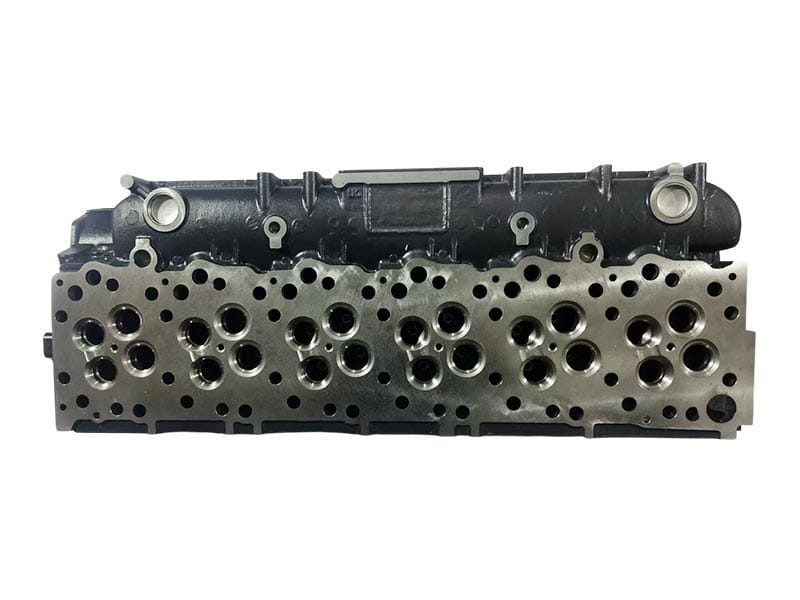
O chiulasă nu este o componentă generică de înlocuire. Capetele utilizate într-o familie de motoare pot diferi în ceea ce privește prelucrarea, caracteristicile injectorului, aspectul portului, aranjamentul supapei-tren, pasajele lichidului de răcire, pasajele de ulei, detaliile de montare sau componentele montate. Din acest motiv, a RFQ chiulasă ar trebui să aibă suficiente dovezi tehnice pentru a distinge versiunea necesară.
Curentul categoria chiulasei motorului enumeră mai multe produse cu cap de înlocuire și solicită cumpărătorilor să partajeze informații despre motor pentru potrivirea pieselor. Acesta este punctul de plecare potrivit: categoria ajută la identificarea familiei probabile de produse, în timp ce RFQ oferă dovezile necesare pentru a restrânge aplicația exactă.
Prin urmare, un citat de încredere ar trebui să răspundă la două întrebări separate: “Ce chiulasă este propusă?” și “Ce dovezi susțin această potrivire?”
Începeți cu codul complet al motorului
Primul câmp dintr-o RFQ chiulasă ar trebui să fie modelul sau codul complet al motorului exact așa cum se arată pe plăcuța actuală de identificare a motorului sau pe documentația de service fiabilă.
Nu scurtați codul la un nume de familie larg dacă este disponibilă o versiune mai specifică Aceeași familie poate conține mai multe variante, iar un furnizor poate să nu poată determina ce cap este corect numai din numele de familie.
Dacă placa motorului poate fi citită, atașați o fotografie clară a cadrului întreg. Nu decupați informațiile de serie, producție, putere nominală sau versiune din apropiere care pot ajuta la distingerea motorului.
Includeți referința pentru chiulasa veche
Capul vechi trebuie inspectat pentru referințe ștampilate, gravate, turnate sau etichetate. Adăugați fiecare număr care poate fi citit la RFQ chiulasă și fotografiați unde apare fiecare marcaj.
Nu presupuneți că fiecare număr este numărul final al piesei comandabile. Un număr de turnare poate identifica familia de turnare, în timp ce un număr de piesă finit poate identifica configurația prelucrată și asamblată. Această distincție este recunoscută în ghidarea de identificare a industriei motoarelor: un număr de turnare și un număr de piesă a capului finit pot diferi și pot servi unor scopuri diferite.
The D0834 pagina chiulasei, de exemplu, listează referința 51031006274 și sfătuiește cumpărătorii să compare acea referință cu codul complet al motorului și fotografiile capului existent înainte de a comanda.
Nu tratați numărul de turnare ca pe singurul meci
Un număr de turnare este util, dar puternic RFQ chiulasă nu ar trebui să se bazeze numai pe ea. aceeași familie de turnare poate fi prelucrată sau asamblată diferit pentru diferite versiuni de motor.
Utilizați numărul de turnare împreună cu modelul motorului, referința finită acolo unde este disponibilă, aspectul vizibil al portului, caracteristicile legate de injector, fețele de montare și configurația necesară goală sau completă.
Dacă numărul de turnare este parțial ilizibil, trimiteți un prim-plan și o fotografie mai largă care arată locația sa. Nu ghiciți cifrele lipsă. Marcați-le ca incerte, astfel încât furnizorul să poată compara restul dovezilor.
Atașați un set foto standard
Fotografiile pot îmbunătăți dramatic un RFQ chiulasă când sunt luate din unghiuri utile. o imagine de sus este rareori suficientă.
| Fotografie | Ce ar trebui să arate | De ce contează |
|---|---|---|
| Vizualizare completă de sus | Zona completă a capului și a trenului de supape | Afișează configurația generală |
| Față de ardere | Suprafața garniturii, camere, pasaje, găuri pentru șuruburi | Suportă comparația fizică |
| Partea de admisie | Porturi, găuri pentru șuruburi, senzori, urme turnate | Afișează interfața de admisie |
| Partea de evacuare | Porturi și model de montare | Afișează interfața de evacuare |
| Față și spate | Fețele de capăt și caracteristicile de conectare | Dezvăluie variația ascunsă |
| Prim-planuri de referință | Numere ștampilate și turnate | Păstrează dovezile de identificare |
| Placa motorului | Placă completă de identificare | Conectează capul la motor |
Păstrați fișierele cu rezoluție originală. aplicații de mesagerie poate comprima imagini suficient pentru a face caractere mici ștampilate dificil de citit.
Indicați dacă aveți nevoie de un cap gol sau montat
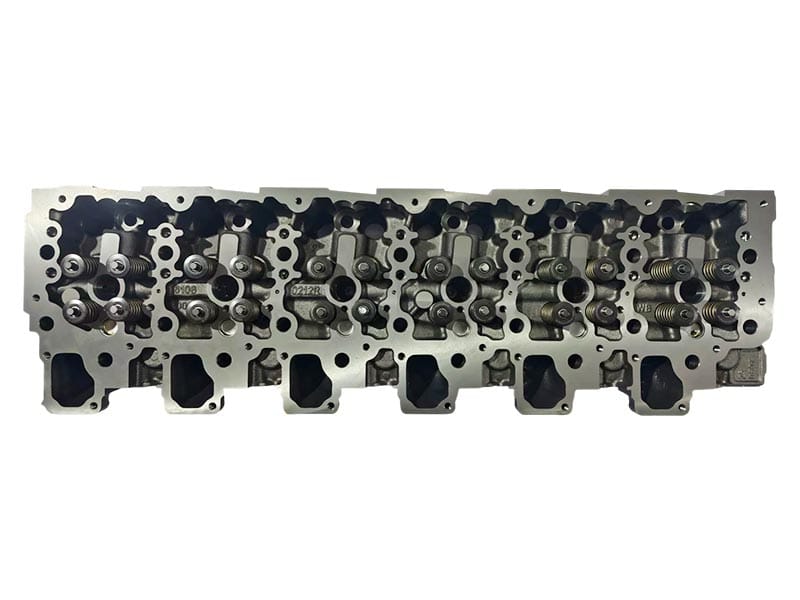
Domeniul de aplicare al ofertei este una dintre cele mai importante părți ale a RFQ chiulasă. Cumpărătorul trebuie să precizeze dacă cererea este pentru un cap gol, un cap prelucrat sau un cap cu componente montate ale trenului de supape.
Ghidul anterior privind capul cilindrului gol vs complet explică de ce “complete” nu trebuie tratat ca o singură configurație universală.
Dacă sunt necesare supape, arcuri, ghidaje, scaune, tuburi injectoare, componente legate de arborele cu came, dopuri, garnituri, garnituri sau alte articole, enumerați-le individual. Nu presupuneți că componentele prezentate într-o imagine a produsului sunt incluse automat.
Solicitați o listă de componente incluse și excluse
A professional RFQ chiulasă should require the supplier to return an itemized supply scope. This makes quotations easier to compare and reduces disputes after delivery.
| Componentă | Buyer Requirement | Furnizor inclus? |
|---|---|---|
| Turnarea chiulasei | Necesar | Confirma |
| Supape | Da/Nu | Confirma |
| Valve springs | Da/Nu | Confirma |
| Ghizi și scaune | Da/Nu | Confirma |
| Tuburi sau manșoane injectoare | Da/Nu | Confirma |
| Camshaft / rocker components | Da/Nu | Confirma |
| Mufe | Da/Nu | Confirma |
| Gaskets and seals | Da/Nu | Confirma |
Record the Required Quantity Clearly
Quantity sounds simple, but it should still appear as a dedicated field in the RFQ chiulasă. State the exact number of heads required and whether all units are for the same engine version.
If a distributor is buying multiple applications, use one RFQ line per distinct head. Do not combine different engine codes under one general description.
If the buyer needs only one sample for technical approval before a larger order, state that separately so the supplier understands the purchasing sequence.
Add the Destination Country and Delivery Point
A RFQ chiulasă should include the destination country and, where known, the delivery city, port, or warehouse. This allows the supplier to prepare the correct commercial and packing information.
Destination can also affect documentation requirements, labeling, and shipping preparation. Keep those commercial details separate from the fitment data so technical review and logistics review do not become mixed together.
Do not include a target delivery assumption that the supplier has not confirmed. Ask for the proposed delivery basis and timing in the quotation.
Include Vehicle or Equipment Context When Useful
The engine code should remain the primary engine identifier, but vehicle or equipment information can support a RFQ chiulasă. Add the truck model, VIN, production year, or fleet unit number when available.
A VIN can help establish vehicle context, but it should not replace current engine information. The vehicle may have had an engine replacement or major rebuild during its service life.
Mai devreme piese motor Căutare VIN article explains why VIN and engine-plate data should be treated as complementary rather than interchangeable.
Explain Known Repair History
Previous machining or repair history can affect a RFQ chiulasă. If the old head has been resurfaced, repaired, replaced, or modified before, mention that history.
This is particularly important when the current head reference conflicts with catalog expectations. An engine may contain a replacement head installed during a previous overhaul.
Do not assume the existing head is original simply because the vehicle itself has never been replaced.
Describe the Failure Without Over Diagnosing It
A short repair summary can help the supplier understand the project. If the head is being replaced after overheating, cracking, coolant loss, or another failure, include the confirmed facts.
However, a RFQ chiulasă should not turn an unconfirmed symptom into a root-cause statement. Write “coolant loss and crack indication found during inspection” rather than “cooling system caused the failure” unless that cause has actually been demonstrated.
The simptome crăpate ale chiulasei guide explains why symptoms and confirmed defects should be kept separate.
Use Measurements Only When They Resolve a Real Fitment Question
Dimensions can strengthen a RFQ chiulasă, but they should be functional measurements, not random overall dimensions.
Useful measurements may include a specific port spacing, mounting-hole distance, or interface dimension requested by the supplier. Record the measuring points and method.
Do not copy dimensions from another listing and present them as measurements from the actual head. The purpose of measurement is to resolve uncertainty, not to create the appearance of technical detail.
Ask the Supplier to State the Matching Basis
A useful response to a RFQ chiulasă should explain why the proposed head matches the request.
The supplier can state the proposed reference, engine application, casting relationship, and any relevant interface comparison. If the proposed reference differs from the buyer’s old number, ask whether it is a supersession, cross-reference, or different configuration.
This is more useful than receiving a one-line quote with no technical explanation.
Separate Reference Matching From Source Claims
Another important RFQ chiulasă rule is to separate part-number matching from claims about origin.
A supplier may use an original application reference to identify compatibility. That does not automatically establish that the quoted head is supplied through the original equipment channel.
If source identity matters to the purchasing specification, ask for the evidence supporting that claim separately. The application reference should remain part of fitment matching, not proof of origin by itself.
Ask for Product Specific Inspection Evidence
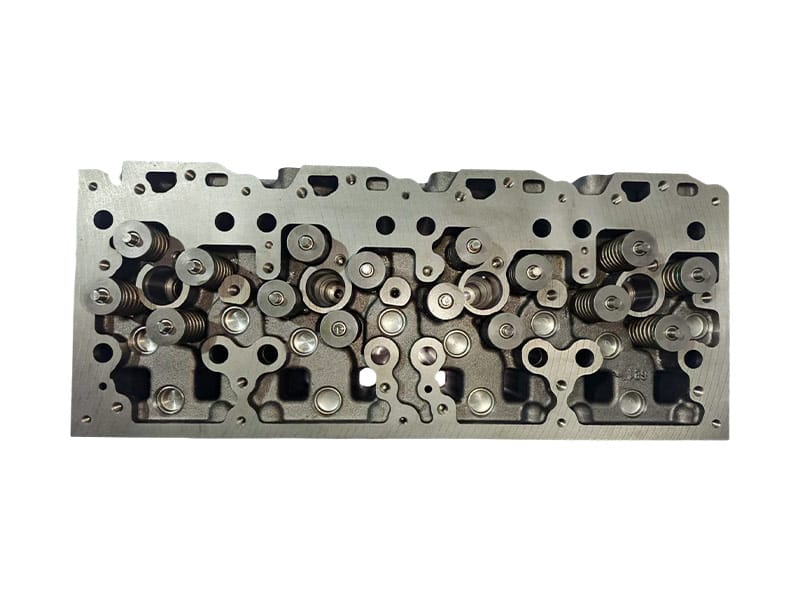
Depending on the order, the RFQ chiulasă may request identification photos, dimensional inspection, pressure-test records, crack-test records, or other product-specific evidence.
Do not request a generic “quality certificate” without defining what information is useful. A general quality-management statement does not prove the condition or fitment of one specific head.
The receiving guide on lista de verificare a inspecției chiulasei shows how identity, surfaces, cracks, ports, threads, components, and records can be checked before workshop installation.
Use a Quote Ready Cylinder Head RFQ Table
The following table can be used as a practical RFQ chiulasă format.
| Câmp RFQ | Cumpărătorul ar trebui să furnizeze | Furnizorul trebuie să confirme |
|---|---|---|
| Codul motorului | Full engine model/code and plate photo | Application reviewed |
| Referință cap | Old part number and visible markings | Quoted replacement reference |
| Casting number | Photo and location | Relationship to proposed head |
| Fotografii | Top, deck, sides, front and rear | Physical features reviewed |
| Domeniul de aprovizionare | Bare or fitted requirement | Lista inclusă/exclusă |
| Cantitate | Piese exacte necesare | Cantitatea citată |
| Destinație | Țara și punctul de livrare | Logistics scope |
| Inspection records | Required documents | Available records |
Review the Quotation Before Approving the Order
The RFQ chiulasă process should not stop when the price is returned. Compare the supplier’s response against the original evidence.
Check the engine application, proposed head reference, supply scope, quantity, destination, inspection documents, and any unresolved differences.
If the quoted head has a different casting or finished reference, ask for the explanation before approval. If the supplier has added or removed fitted components, update the BOM before the order is released.
What to Send With a Cylinder Head RFQ
For a practical RFQ chiulasă, send the complete engine code, engine-plate photo, old head reference, casting marks, multi-angle head photos, required bare or fitted configuration, exact quantity, destination country, and any required inspection documents.
If the head is missing or too damaged to identify, send the best available engine data, vehicle information, previous invoice references, and photographs of the engine installation.
The D2066 and D2076 cylinder head page specifically asks buyers to provide the exact engine variant, existing head number, required components, quantity, and destination country before a quotation is issued.
Puteți trimite informațiile prin intermediul contact pagină for a parts-matching review.
Concluzie
Un util RFQ chiulasă is a technical matching document as well as a purchasing request. It should identify the engine, identify the existing head, show the physical interfaces, define the bare or fitted configuration, state the quantity, and identify the destination.
The most important improvement is to stop treating one casting number or product photo as a complete fitment answer. When engine code, part reference, casting marks, photos, supply scope, and quantity are reviewed together, the supplier can prepare a quotation on a much stronger technical basis and the buyer has fewer unresolved questions before ordering.
FAQ
What information should a cylinder head RFQ include?
A RFQ chiulasă should include the full engine code, engine-plate photo, old head reference, casting number, multi-angle photos, bare or fitted configuration, required components, quantity, destination, and any inspection-document requirements.
Is a casting number enough to order a cylinder head?
No. A casting number is useful identification evidence, but it may not confirm final machining, valve setup, injector arrangement, or full application. Compare it with the engine code, finished reference, physical interfaces, and required supply scope.
Should I request a bare or complete cylinder head?
That depends on the repair scope and condition of the reusable components. Do not rely on the word “complete” alone. List the valves, springs, guides, seats, injector tubes, camshaft-related components, plugs, gaskets, and other items required.
What photos are most useful for a cylinder head RFQ?
Send the full top view, combustion face, intake side, exhaust side, front and rear ends, close-ups of all numbers, and the engine identification plate. Keep the original-resolution files.
Why does destination matter in a cylinder head RFQ?
The destination helps the supplier prepare shipping, packing, documentation, and commercial terms. It should be included alongside quantity and technical data, but it does not replace the fitment information needed to select the correct head.