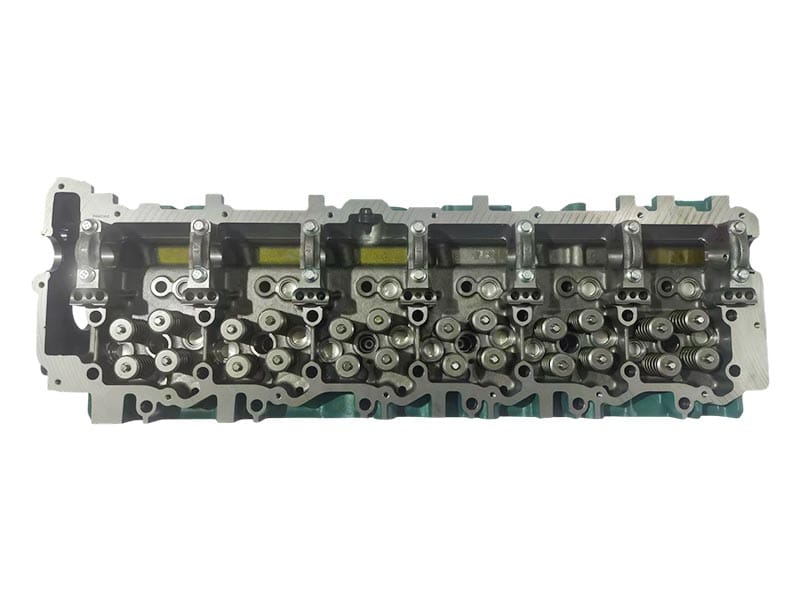
When wrong engine parts delivered becomes a receiving problem, the fastest response is not to modify the part or send an angry message. The first step is to preserve the shipment, identify exactly what was ordered, identify exactly what arrived, and collect enough evidence to show where the mismatch occurred. For heavy truck engine parts, a difference can come from the wrong reference, wrong engine variant, mixed shipment, packing error, superseded number, incorrect quantity, or a part that looks different but may still be an approved replacement.
A structured process helps the buyer avoid two expensive mistakes: installing a truly incorrect part, or rejecting a correct replacement before the fitment basis has been checked. This guide explains what to do when wrong engine parts delivered is suspected, with an emphasis on part numbers, engine data, photos, packing records, dimensions, and supplier clarification.
Stop the Part From Entering the Workshop or Inventory
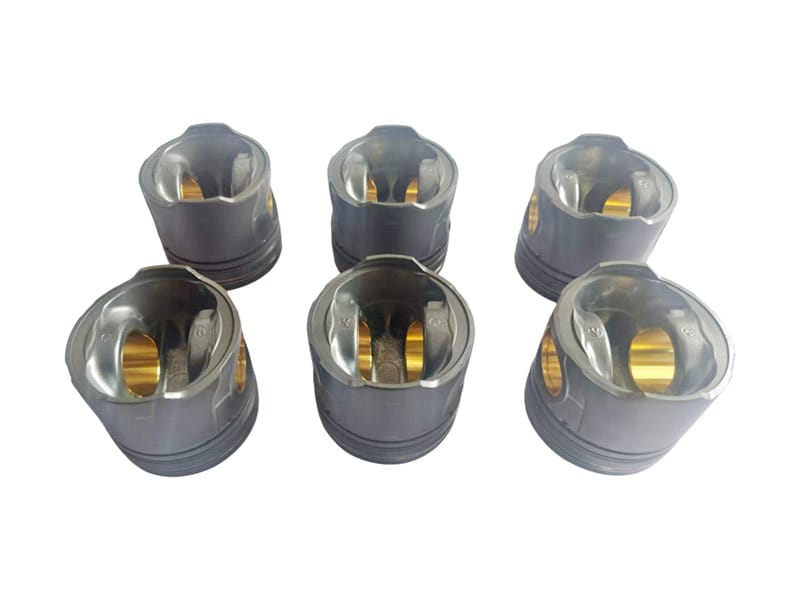
The first response to wrong engine parts delivered should be containment. Keep the suspect part separate from approved stock and do not install, machine, paint, clean aggressively, or remove identification labels.
This matters because once a part has been modified, the original receiving condition is harder to prove. It can also complicate a return, technical review, or supplier claim.
Attach a simple hold label showing the purchase-order number, received date, part description, and reason for review. For mixed shipments, isolate only the affected line rather than stopping unrelated parts that have already been verified.
Check the Final Purchase Order Before Blaming the Shipment
When wrong engine parts delivered is reported, start with the final approved purchase order or proforma document, not the first inquiry. RFQs often change during technical clarification.
Compare the final ordered reference, quantity, engine model, size, supply scope, and any approved substitution against the delivered item. A buyer may remember the original request while the final order reflects a later technical revision.
Yang tadi bagian mesin Daftar periksa RFQ explains why line-by-line references, quantities, photos, and open technical points should be documented before an order is released.
Compare the Packing List With the Physical Shipment
The packing list is the next evidence source when wrong engine parts delivered is suspected. Check the line description, part number, quantity, carton identification, and any lot or package references.
Then compare those details with the labels on the actual box and the markings on the physical part. A packing list can be correct while the wrong item is inside the carton, or a correct physical part can be placed under the wrong carton label.
Do not discard packaging until the discrepancy is resolved. Carton labels, internal labels, and packing photos may help trace where the error occurred.
Check the Part Number in Three Places
A useful receiving rule for wrong engine parts delivered is to compare the part number on the order, on the packaging, and on the part itself.
| Evidence Source | What to Check | Possible Finding |
|---|---|---|
| Purchase order | Approved part/reference number | What the buyer intended to order |
| Packing list/carton | Printed line reference and quantity | What the shipment says it contains |
| Bagian fisik | Stamped, cast, engraved, or labeled number | What was actually received |
If all three references disagree, record the difference exactly. If only the physical part uses another number, do not immediately assume it is incorrect. It may be a casting number, production number, or approved supersession. Ask the supplier to explain the relationship.
Do Not Confuse a Casting Number With a Finished Part Number
Some wrong engine parts delivered disputes begin because a buyer compares a casting number on the part with a finished reference on the invoice. These numbers may serve different purposes.
A casting number can identify the casting family while final machining and assembly create several finished variants. This is particularly relevant for cylinder heads and engine blocks.
Record every visible number and its location. Ask the supplier which number is the orderable reference and which number is only a casting or production identifier.
Compare the Engine Code Before Comparing Appearance
If wrong engine parts delivered involves fitment, the engine code is usually more important than general visual similarity. Confirm the complete engine model or code from the actual engine plate and compare it with the application used in the supplier’s quotation.
This is especially important when the same truck model can use different engine versions or when the vehicle has had an engine swap.
Panduan sebelumnya pada bagian mesin VIN lookup explains why vehicle identity and engine identity should be treated as separate evidence sources.
Photograph the Received Part Before Any Modification
A strong wrong engine parts delivered claim should include clear photos, not only a text description.
Take a full view of the part, close-ups of all markings, the carton label, packing label, and the specific interface that appears wrong. If possible, place the old and new parts next to each other and photograph them from the same angle.
Do not photograph only the mismatch. Include enough context to show which part and which order line the image belongs to.
Compare Functional Interfaces, Not Only Overall Shape
Engine parts can look similar while differing in the interfaces that matter. When wrong engine parts delivered is suspected, compare the features that actually control fitment.
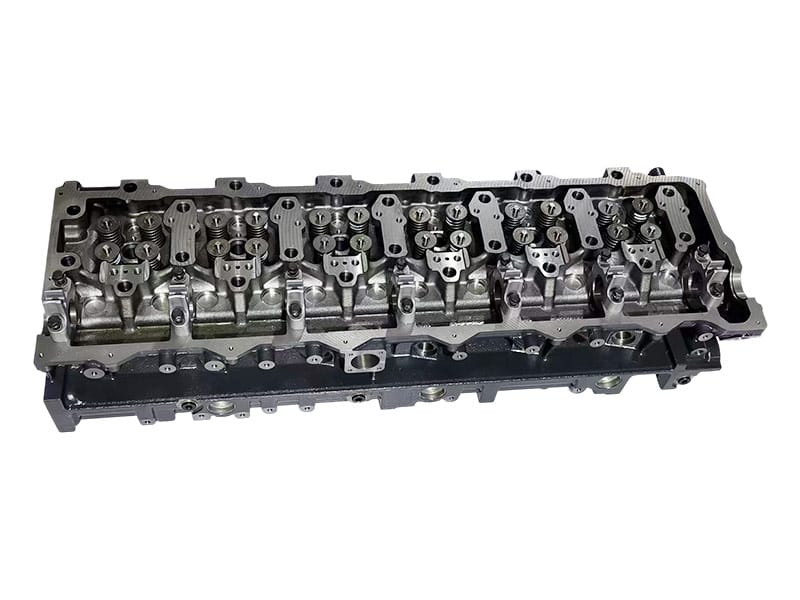
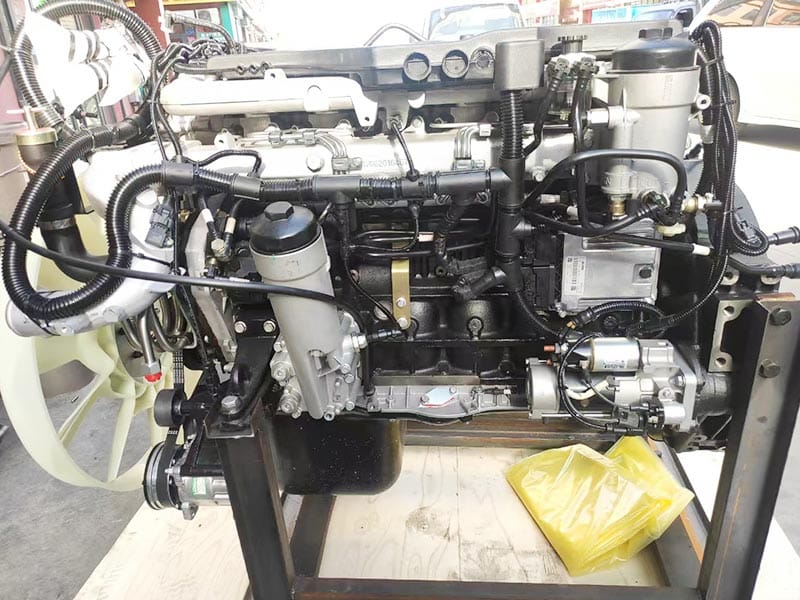
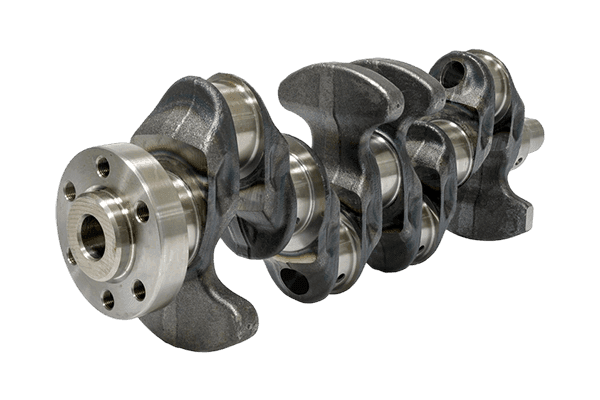
For a cylinder head, check ports, mounting faces, injector-related features, coolant and oil passages, and casting marks. For a crankshaft, compare journal specification, stroke, front connection, and rear flange. For an oil pump, compare drive, mounting holes, and ports. For an engine assembly, compare mounts, gearbox interface, cooling connections, controls, and accessories.
Overall length, width, and height are supporting evidence only. Functional interfaces are more important.
Measure Only the Features That Matter
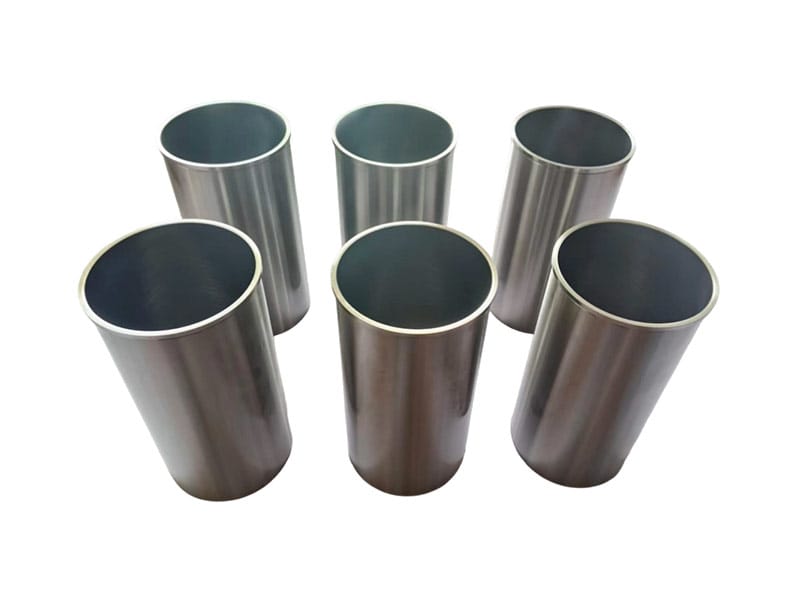
Measurements can help resolve wrong engine parts delivered, but only if the correct feature is measured.
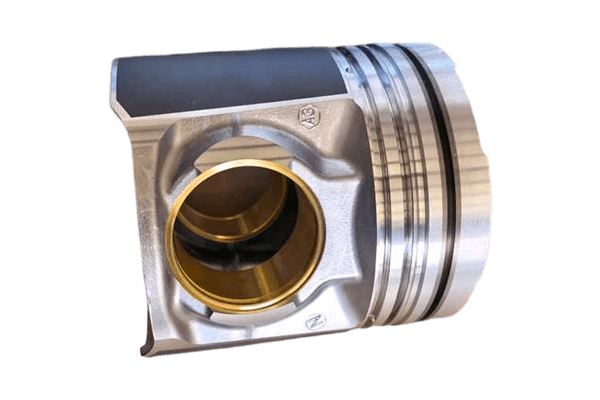
A buyer should not use a general outside dimension to prove that a piston, liner, crankshaft, or pump is wrong. Instead, measure the functional dimensions identified by the engine or component specification.
Record where the measurement was taken and which instrument was used. The NIST guidance on measurement traceability explains why measurements are stronger when they are linked to a documented method and reference.
Check Whether the Supplier Approved a Supersession
Not every different part number means wrong engine parts delivered. An older reference may have been replaced by a newer approved part number.
If the supplier states that the part is superseded, ask for the matching basis. The replacement should still be checked against the engine code and physical interfaces.
A valid supersession should be explained in writing so purchasing, receiving, and the workshop all understand why the delivered reference differs from the original request.
Check Whether the Wrong Variant Was Ordered
Kadang-kadang wrong engine parts delivered is actually a wrong-part-order problem. The supplier may have shipped exactly what the buyer approved, but the approved reference may have been selected from incomplete engine information.
Review the original RFQ. Did it include the full engine code? Was the old part number confirmed? Were photos attached? Did the buyer mention a previous engine swap or rebuild?
If the order itself was based on incomplete data, the corrective action should include improving the future RFQ process rather than treating the issue only as a warehouse error.
Check Quantity and Pack Unit
A mismatch can also involve quantity. The phrase wrong engine parts delivered may refer to receiving one piston when the order expected one engine set, or receiving one carton when the quantity was quoted in pieces.
Compare units carefully: piece, pair, set, cylinder kit, engine set, carton, or assembly. Do not assume that “1 set” has a universal meaning.
Panduan tentang piston liner kit contents explains why per-cylinder and per-engine quantities should be converted into a clear bill of materials before ordering.
Check Supply Scope Before Calling the Part Incomplete
Some wrong engine parts delivered complaints are actually supply-scope misunderstandings. A buyer may expect valves with a cylinder head, bearings with a crankshaft, or an ECU with an engine assembly even though the quotation did not include them.
Compare the received contents with the written included/excluded list. Product photographs are not a packing list.
If the order did not define the supply scope clearly, document that gap and use a BOM-style quotation for the replacement order.
Build a Receiving Discrepancy Record
Sebuah catatan tertulis membuat wrong engine parts delivered easier to resolve with the supplier.
| Record Field | What to Capture |
|---|---|
| PO / invoice | Final approved order reference |
| Order line | Part description and ordered quantity |
| Ordered reference | Approved part number or specification |
| Received reference | Box label and physical part markings |
| Identitas mesin | Kode mesin penuh dan foto pelat |
| Mismatch | Specific interface, number, quantity, or scope difference |
| Photos | Part, label, package, and side-by-side comparison |
| Disposition | Hold / supplier review / return / replacement / approved substitution |
Do Not Install a Suspect Part to See if It Fits
When wrong engine parts delivered is suspected, “try installing it” is a poor first test. Forcing a part into position can damage the new part, the engine, threads, sealing surfaces, or mating components.
It can also make the original discrepancy harder to document.
Fitment should be checked through references, measurements, interfaces, and technical data before the part is installed.
Do Not Machine or Modify the Part Before Supplier Review
Drilling, grinding, filing, rethreading, machining, or modifying a suspect part can turn a simple wrong engine parts delivered case into a difficult responsibility dispute.
If the supplier believes the delivered part is an approved alternative, ask for the technical explanation first. If modification is genuinely required as part of an approved installation procedure, obtain that approval in writing.
Otherwise, preserve the part in its received condition.
Check the Old Part Against the Engine, Too
In some cases, the new part looks wrong because the old part itself came from a previous non-original repair. A complete wrong engine parts delivered investigation should therefore check the old part against the current engine.
For example, an engine may have been rebuilt previously with a different piston size, crankshaft repair size, or replacement cylinder head. If the buyer ordered from the old part alone without understanding that history, the new supplier may be quoting the original specification while the engine currently contains a service modification.
Repair history can resolve this type of disagreement.
Separate Shipping Damage From Wrong Part Identity
A correct part can arrive damaged, and an incorrect part can arrive in perfect condition. Keep these issues separate.
When wrong engine parts delivered is reported, record whether the problem is identity, fitment, quantity, missing components, shipping damage, or several of these at once.
Shipping damage should include packaging photos and visible damage evidence. Fitment disputes should focus on numbers, interfaces, dimensions, and engine data.
Ask the Supplier to Explain the Match in Writing
A useful supplier response to wrong engine parts delivered should do more than say “it fits.” Ask for the proposed part reference, the application basis, and an explanation of any visible difference.
If the supplier claims a supersession, ask which old reference it replaces. If a port or mounting point differs, ask how the installation is intended to work. If the quoted engine assembly has a different accessory layout, ask which components must transfer from the old engine.
Written technical clarification is easier to review internally than a short verbal assurance.
Use an Internal Hold and Release Process
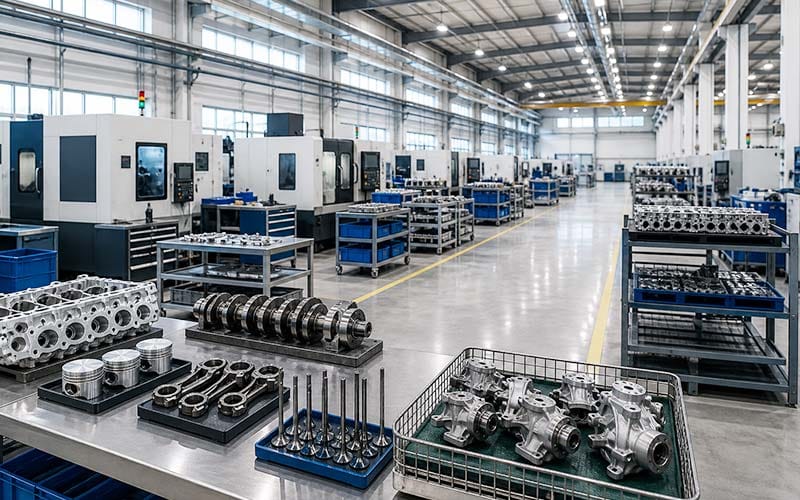
Fleet and distributor operations benefit from a simple hold system for wrong engine parts delivered cases.
The receiving team places the part on hold. Technical staff review engine and fitment evidence. Purchasing contacts the supplier. Only after the discrepancy is resolved is the item released to inventory, returned, replaced, or accepted under an approved substitution.
This prevents a suspect item from being installed while a technical discussion is still open.
Document the Final Disposition
Every wrong engine parts delivered case should end with a documented disposition. Possible outcomes include confirmed wrong part and replacement, approved supersession, quantity correction, missing-item shipment, return, credit, or acceptance after technical confirmation.
Keep the final decision with the PO and receiving record. If a substitute is approved, update the internal parts reference so the same question does not recur on the next order.
Use the Dispute to Improve the Next RFQ
The best long-term response to wrong engine parts delivered is prevention. Review which missing field allowed the mismatch to happen.
If the engine code was missing, add it to future RFQs. If the old part number was ambiguous, require photos. If supply scope caused the dispute, add an included/excluded table. If quantity units were unclear, use pieces and engine sets separately.
Arus katalog bagian mesin covers several product families, so the exact matching fields should vary by component rather than using one generic form for every part.
What to Send When Reporting Wrong Engine Parts Delivered
When wrong engine parts delivered is reported to a supplier, send the purchase-order line, ordered part reference, received part reference, engine code, package label, clear photos, quantity received, and the exact mismatch.
If the issue is fitment, include comparison photos of the old and new components. If the issue is dimensional, provide the measured feature and measuring points. If the issue is supply scope, attach the agreed included/excluded list.
You can submit engine details, parts information, quantities, photos, and destination through the halaman kontak untuk review yang cocok.
Kesimpulan
When wrong engine parts delivered is suspected, the most effective response is evidence control. Isolate the part, preserve the packaging, compare the final order with the packing list, check the part number on the physical item, confirm the engine code, photograph the mismatch, and review functional interfaces before installation.
Not every different-looking part is wrong, and not every correct label guarantees correct fitment. Supersessions, casting numbers, repair history, quantity units, and supply-scope differences can all create confusion. A structured receiving record allows the buyer and supplier to determine what actually happened and choose the correct disposition before the part enters the engine.
FAQ
What should I do first if wrong engine parts are delivered?
If wrong engine parts delivered is suspected, isolate the part and stop installation. Keep the packaging and labels, then compare the final purchase order, packing list, physical part number, and engine code before contacting the supplier.
What evidence should I send the supplier?
Send the PO line, ordered reference, received reference, engine code, carton label, clear photos of the part and mismatch, quantity, and any relevant measurements. Side-by-side photos of the old and new parts are especially useful.
Can a different part number still be correct?
Yes. The delivered number may be a superseded reference, casting number, or production identifier. Ask the supplier to explain the relationship and confirm fitment from engine data and physical interfaces before accepting the part.
Should I try installing the part to check fitment?
No. Do not force, machine, drill, or install a suspect part before the mismatch is resolved. Modifying the part can cause damage and complicate the return or technical review.
How can I prevent wrong engine parts from being delivered again?
Improve the RFQ with the complete engine code, old part number, photos, functional dimensions, exact quantity units, and an included/excluded component list. A documented matching process reduces the chance of another wrong engine parts delivered case.