Table of Contents
Cursor 11 cylinder head service history review is a practical decision about the exact component, the evidence available and the next step in the repair or purchase. For a purchasing team comparing two supply formats, the useful result is a confirmed reference and a clear record of what remains to be checked. This guide connects service history review with the particular matching and supply questions that apply to cursor 11 cylinder head.
Start with the service history review decision
A service-history review asks whether the current repair is an isolated event or part of a recurring pattern. Gather previous replacement references, installation records, symptoms and relevant operating observations. Preserve changes to the engine or component configuration. An old invoice can be useful without proving what is presently installed.
Have the workshop relate the history to the current findings. Repeated damage may justify examining mating parts, contamination, operating conditions or installation work. The output is a better-defined repair and sourcing requirement. Do not use a previous successful order as the only basis for fitment when the installed configuration has changed.
The quotations use different assembly descriptions. Establish the work and additional parts each option requires, then compare the complete scope. Keep any unresolved compatibility issue visible in the approval record.
Why the Cursor 11 bare-head description changes the order
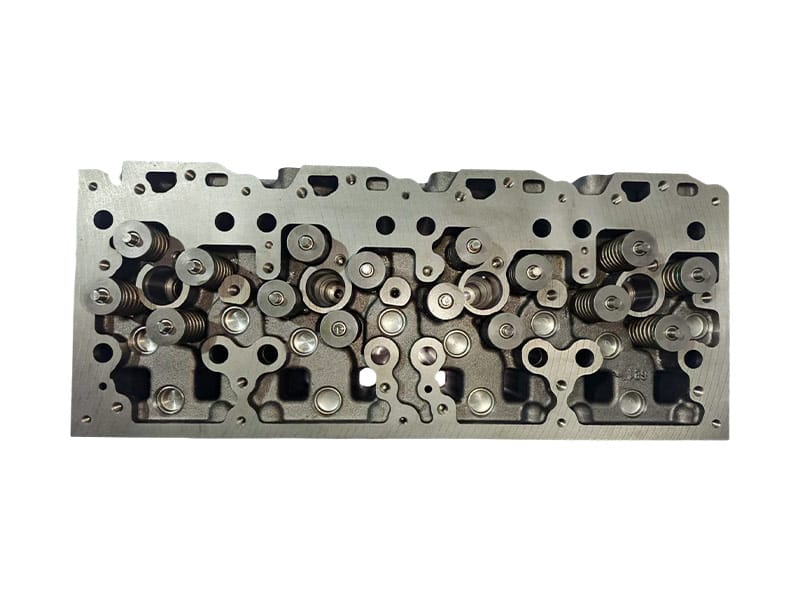
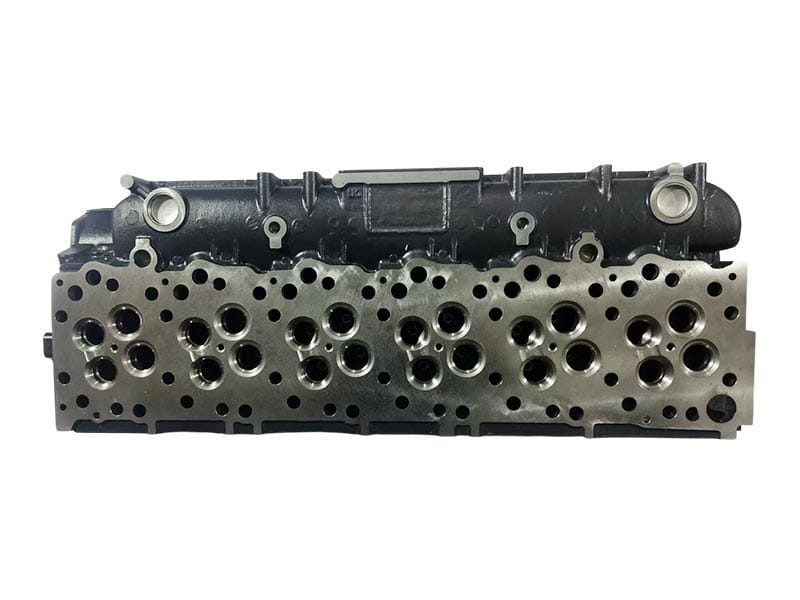
Cheyu’s FPT Cursor 11 page describes the item as a bare cylinder head and identifies cast iron as the listed material. A bare-head order requires a discussion of which fitted parts the workshop will reuse or supply separately. The photograph and the word “head” should not be allowed to override that stated boundary. Request a written list for valves, springs, camshaft-related parts, gaskets and any other components required by the exact repair.
The page lists product dimensions of 860 × 380 × 330 mm and packed dimensions of 960 × 480 × 430 mm. Its listed net and gross weights are 86 kg and 99 kg. Use those figures as initial planning information for the listed configuration. Additional parts, different protection or a consolidated order may change the actual package, so ask for final dispatch measurements rather than treating the catalogue crate as fixed.
The Cursor 11 family name starts the application discussion. It does not replace the full engine identification and the old head reference. Send the plate and photographs of the important interfaces. If the old head is already stripped, preserve the associated component references and the workshop’s findings so the supplier understands what the bare casting must support. The result should be a defined bare-head purchase with a separate, practical assembly plan.
Separate a casting problem from a complete-head problem
A cylinder head is a structural casting and an assembly location for several other parts. A defect in a valve, guide, seat or external connection does not establish that the casting itself is unusable. Conversely, fitting new valves into a head with an unresolved crack or distorted sealing face does not restore the head to a serviceable condition. Ask the workshop to separate these findings in its report. The result should identify the affected area, the method used to inspect it, and the applicable limit from the engine documentation.
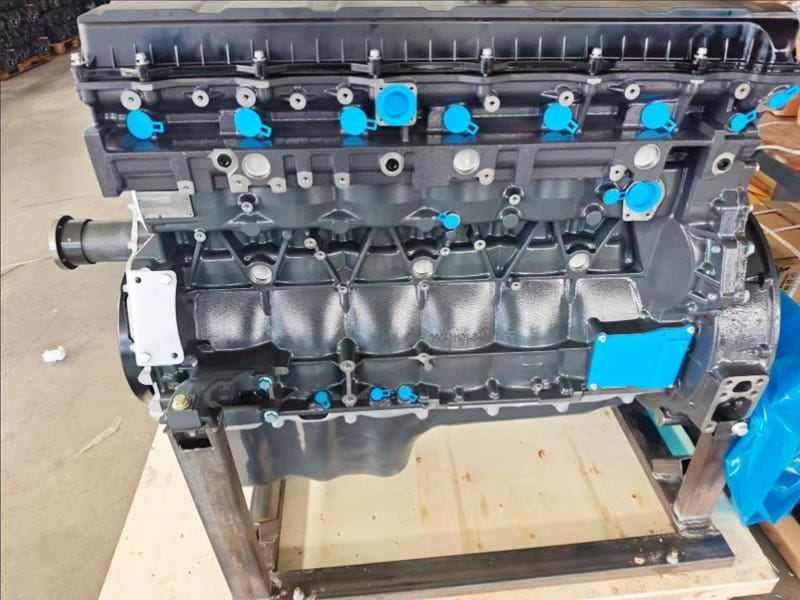
The cylinder head also connects systems that can produce similar symptoms. Coolant loss, uneven compression and combustion-gas leakage require an investigation of the complete sealing arrangement. Preserve the old gasket and record its orientation before cleaning the mating faces. Photograph damaged areas with a scale and identify the cylinder position. An engine-family label does not tell a supplier whether the actual order needs a bare casting, a partially assembled head or a head with a defined list of fitted components.
Plan maintenance around the installed engine
For cursor 11 cylinder head service history review, this review should remain tied to cursor 11 cylinder head and the exact order under discussion.
Maintenance planning should use the exact installed engine, its operating conditions and the applicable manufacturer guidance. A series name or a general online interval is insufficient to set every service requirement. Gather the engine identification, service history and operating pattern, then ask the responsible workshop to identify the relevant tasks and intervals.
Keep condition observations consistent so changes can be recognized. Record the operating conditions associated with a reading, inspection or symptom. Comparing unrelated measurements taken at different temperatures, loads or speeds can create a false trend. Where a component has recently been replaced, retain the replacement reference and the installation date in the maintenance record.
Use maintenance findings to improve future procurement. Repeated damage in the same system may call for investigation of operating conditions, contamination, installation or component matching. Do not interpret every failure as proof that the same part should simply be reordered. A well-kept history helps the workshop distinguish normal planned replacement from a recurring unresolved problem.
Build a usable identification record
For cursor 11 cylinder head service history review, this review should remain tied to cursor 11 cylinder head and the exact order under discussion.
Start with the identity of the installed engine and the removed component. A vehicle model can cover several engine versions, and a previous repair may have changed the installed equipment. Obtain a readable engine plate image, the complete engine code and the existing part reference. Add the vehicle identification details as supporting information. If a number is partly obscured, record the uncertainty instead of filling in the missing characters from memory.
Photograph the identifying marks at a distance that shows their location, then take a close view that makes the characters legible. Record which number came from a casting, a label, a machined marking or a previous invoice. Those sources can refer to different levels of assembly. Preserve the original image files so the supplier can examine a detail without relying on a compressed screenshot.
Ask the supplier to identify the proposed reference in writing and explain any difference from the number you supplied. A supersession or alternate reference needs a documented application check. Do not treat a similar spelling, a shared series name or a familiar-looking photograph as proof of fitment. Keep the confirmed reference attached to the quotation so it cannot be separated from the price during approval.
Keep the observed symptom separate from its cause
For cursor 11 cylinder head service history review, this review should remain tied to cursor 11 cylinder head and the exact order under discussion.
Describe what happened and under what conditions before naming a failed part. Record the operating state, relevant warning messages, fluid observations, recent work and the sequence in which the symptoms appeared. Preserve the old component and related evidence until the workshop has completed its assessment. A symptom can have several possible causes, so a replacement inquiry should state whether the diagnosis is confirmed or still under investigation.
Ask the technician to connect each proposed conclusion to an observation or test result. Visual damage, a dimensional finding and a functional test are different kinds of evidence. Where two explanations remain possible, identify the next check that could distinguish them. Avoid replacing a component simply because it is associated with the symptom in a generic troubleshooting list.
Before approving the order, ask whether the failure could have affected connected components or contaminated a shared system. Reusing a damaged mating part or an unclean circuit can create repeated failure. The procurement record should contain the workshop’s repair scope and any unresolved findings. This allows the buyer to obtain a quotation without misrepresenting an incomplete diagnosis as a final technical decision.
Use the listed product information correctly
The cursor 11 cylinder head listing provides the following starting information. These are site-listed values for inquiry and handling planning. Confirm the final reference, supplied configuration, piece count and packed dimensions in the actual quotation; the listing is not a complete service drawing.
| Listing field | Site-listed information |
|---|---|
| Product | Cylinder head |
| Engine application | FPT Cursor 11 |
| Material | Cast iron |
| Supply type | Bare cylinder head; confirm included components when requesting a quotation |
| Product dimensions | 860 mm × 380 mm × 330 mm |
| Packed dimensions | 960 mm × 480 mm × 430 mm |
| Net weight | 86 kg |
| Gross weight | 99 kg |
| Handling method | Forklift lifting |
Use these values in their stated context. Outside dimensions and package information do not establish precision fits, service limits or compatibility across engine variants. Ask for the exact technical document needed by the workshop when the decision depends on a feature that is not defined in the listing.
Compare the evidence before approving the order
This cursor 11 cylinder head service history review comparison separates the information needed for a purchase from what a product photograph can establish. Use the table as a working record and replace each open point with the actual reference, report or agreed configuration.
| Decision item | Evidence to obtain | If evidence is missing |
|---|---|---|
| Engine identification | Full engine code and readable plate photograph | Hold approval until this item is clear |
| Existing head reference | Part or casting reference with location photograph | Hold approval until this item is clear |
| Interface views | Combustion face, ports, passages and external connections | Hold approval until this item is clear |
| Supply configuration | Bare casting or itemized fitted components | Hold approval until this item is clear |
| Workshop finding | Test method, affected location and engine-specific limit | Hold approval until this item is clear |

Prepare the next supplier and workshop handover
Before closing cursor 11 cylinder head service history review, assemble the engine plate image, existing reference, relevant photographs and the workshop findings into one inquiry record. Add the required quantity, destination and itemized supply scope. Ask the supplier to respond to the open points individually and keep the answer attached to the quotation revision.
Use the relevant product category to locate the component family, then return to the exact reference for the application check. If another part is required by the repair, create a separate line with its own matching evidence. Keep the service history review decision and the final installation approval as identifiable steps in the record.
Frequently Asked Questions
What is the starting point for cursor 11 cylinder head service history review?
Start with the full engine identification and the reference on the existing cylinder head. Add the evidence specific to service history review, the quantity and the proposed supply configuration. A model name or photograph alone does not establish compatibility.
Can a photograph settle service history review for this part?
A photograph can show visible geometry, markings and condition. It cannot establish every dimension, internal property or operating requirement. For cursor 11 cylinder head, combine useful views with the part reference and the appropriate workshop evidence.
Are the dimensions on the product page a fitting specification?
Use each listed dimension only for its stated purpose. Overall product or packed dimensions help identify and handle an item. Precision fits and service limits require the drawing and service information for the exact engine and component.
Which supplied items should the quotation identify?
The quote should name the main cylinder head, the quantity and any fitted or loose accessories. Identify excluded parts and anything transferred from the old installation. The product image does not define the contractual contents of the order.
What should be confirmed before the part is released?
Close the reference and supply-scope questions, check the available evidence and identify any checks reserved for the receiving or installing team. Keep the cursor 11 cylinder head service history review record with the accepted quotation and the actual shipment identifiers.
Discuss your cursor 11 cylinder head requirement with Cheyu. Send the complete engine code, existing part reference, quantity and destination through the inquiry form. Include the open questions from this service history review review so the quotation can address the actual component and configuration you need.