Cracked engine block symptoms can be serious, but they are not always specific. Coolant loss, oil contamination, overheating, white exhaust vapor, external leakage, low compression, and rough running can all appear when an engine block is damaged. The same symptoms can also come from a cylinder head, head gasket, oil cooler, liner sealing problem, cooling-system fault, or another engine component.
For heavy truck repair work, the correct response is to separate symptoms from proof. A workshop should document what the engine is doing, locate the leakage path, inspect the block and related components, and only then decide whether the block can be reused, repaired, or replaced. This guide explains how to interpret cracked engine block symptoms without turning a warning sign into an unsupported diagnosis.
Why Cracked Engine Block Symptoms Are Easy to Misread
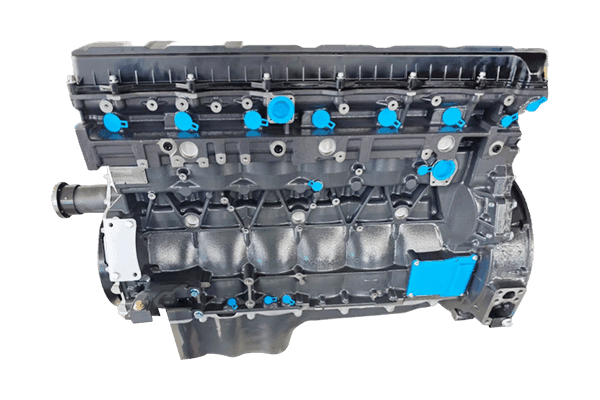
An engine block contains or supports several systems at the same time. Coolant circulates through internal passages. Lubricating oil moves through galleries. Cylinders carry combustion pressure. Main bearing structures support the crankshaft. Depending on the engine design, replaceable cylinder liners and their sealing areas may also be part of the block assembly.
Because these systems are close together, cracked engine block symptoms often overlap with other failures. Coolant in the oil can come from a crack, but it can also come from another internal leak path. Combustion gas in the cooling system can come from a block defect, cylinder-head crack, or sealing failure. External coolant on the block may come from a casting crack, plug, hose, gasket, or nearby connection.
The workshop should therefore treat symptoms as evidence to investigate rather than as a final diagnosis.
Unexplained Coolant Loss Is an Important Warning Sign
Repeated coolant loss with no obvious external leak is one of the more important cracked engine block symptoms. A crack between a coolant passage and cylinder, crankcase, or another internal area can allow coolant to leave the cooling circuit without producing a large puddle under the truck.
Before blaming the block, check the rest of the cooling system. Inspect hoses, clamps, radiator connections, pump areas, auxiliary circuits, plugs, and external sealing points. A hot leak can evaporate quickly and may be difficult to see after the engine cools.
Record how much coolant is being added, how often the level drops, and whether the symptom changes with engine load or temperature. That history helps narrow the investigation.
External Coolant Leaks From the Block Area Need Source Tracing
Visible coolant running down the engine can be among cracked engine block symptoms, but the leak must be traced to its actual source.
Clean the area enough to distinguish fresh leakage from old residue. Inspect plugs, liner sealing areas where applicable, hose fittings, gasket joints, drain points, and nearby components before deciding that the casting itself is cracked.
If a visible line in the block appears suspicious, photograph it before grinding, cleaning, or repair work. A casting mark, corrosion line, or stain can look like a crack in poor lighting. Direct inspection or an appropriate non-destructive test may be needed to confirm the defect.
Oil and Coolant Mixing Can Point to an Internal Block Leak
Oil and coolant contamination is another serious clue. Depending on crack location, coolant can enter an oil gallery or crankcase, or oil can move into the cooling system.
Milky oil, rising oil level, unusual coolant color, oily residue in the cooling system, or contaminated drain fluids may appear together with other cracked engine block symptoms. Preserve photographs or fluid samples when they are relevant to the investigation.
However, internal contamination does not prove the block is cracked. The workshop should also consider other engine-specific leak paths and inspect the cylinder head, sealing system, liners, and any fluid-to-fluid heat exchangers used in the application.
White Exhaust Vapor Can Indicate Coolant Entering a Cylinder
Persistent white exhaust vapor after warm-up can occur when coolant reaches a combustion chamber. A block crack that connects a coolant passage with a cylinder can therefore produce one of the classic cracked engine block symptoms.
But white exhaust is not specific to a cracked block. Combustion or fuel-system problems can also change exhaust appearance. A damaged cylinder head or sealing failure can create the same coolant-entry symptom.
Use exhaust appearance as one clue. Combine it with coolant-loss history, cylinder-level testing, cooling-system pressure behavior, and physical inspection before deciding where the leak originates.
Overheating Can Be Both a Cause and a Result
Overheating is especially important because it can appear on both sides of the failure sequence. A cracked block may leak coolant and cause the engine to overheat. Severe overheating can also create thermal stress that contributes to block distortion or cracking.
When cracked engine block symptoms include overheating, ask what happened first. Did the cooling system lose coolant before the temperature increased? Was there a known cooling-system failure? Did the engine continue operating after a temperature warning?
A replacement block or engine will not solve an unresolved cooling-system problem. The original overheating cause must be investigated before the rebuilt engine returns to service.
Compression Loss and Rough Running Need Cylinder Level Testing
A crack involving a cylinder wall or combustion area can cause compression loss, rough running, hard starting, or cylinder imbalance. These can be cracked engine block symptoms, but they can also come from rings, pistons, valves, a head gasket, or cylinder-head damage.
Use appropriate cylinder-level testing to identify where compression is being lost. The correct test method and acceptable values should come from the engine’s service documentation.
If one cylinder shows abnormal results, compare that cylinder’s liner or bore, piston, head, gasket evidence, and block condition rather than assuming the block is the source immediately.
Cooling System Pressure Can Reveal an Internal Combustion Leak
Excessive pressure or repeated bubbling in the cooling system can appear with cracked engine block symptoms when combustion gas reaches a coolant passage.
However, this finding usually confirms that combustion gas is entering the cooling system, not exactly which component is leaking. The path may involve the block, cylinder head, gasket, or another sealing boundary.
Follow the correct cooling-system test procedure and do not open a pressurized hot system. Record when pressure builds and whether the symptom changes with engine speed or load.
Visible Cracks Are Strong Evidence but Still Need Context
A clearly visible crack in the block casting is strong evidence, but the workshop still needs to identify its location and structural significance.
A crack in an external water jacket does not present the same repair question as a crack through a cylinder wall, main bearing web, deck surface, or critical threaded area. The cracked engine block symptoms may be similar even though the repair options are very different.
Photograph the complete area and a close-up of the crack before any machining or repair attempt. Mark where the crack begins and ends if the full extent can be determined.
Cracked Engine Block Symptoms Versus Other Common Faults
| Observed Symptom | Possible Block Crack | Other Possible Causes |
|---|---|---|
| Coolant loss | Yes | External cooling leak, cylinder head, sealing fault |
| Oil and coolant mixing | Yes | Other internal leak path, head or sealing fault |
| White exhaust vapor | Yes | Head damage, sealing leak, combustion issue |
| Overheating | Yes | Cooling-system restriction, pump, airflow or control issue |
| Low compression | Yes | Piston, rings, valves, head gasket or head damage |
| External block-area leak | Yes | Plug, gasket, fitting or nearby connection |
This comparison is why cracked engine block symptoms should trigger diagnosis, not immediate parts ordering.
Inspect the Cylinder Head and Gasket Before Blaming the Block
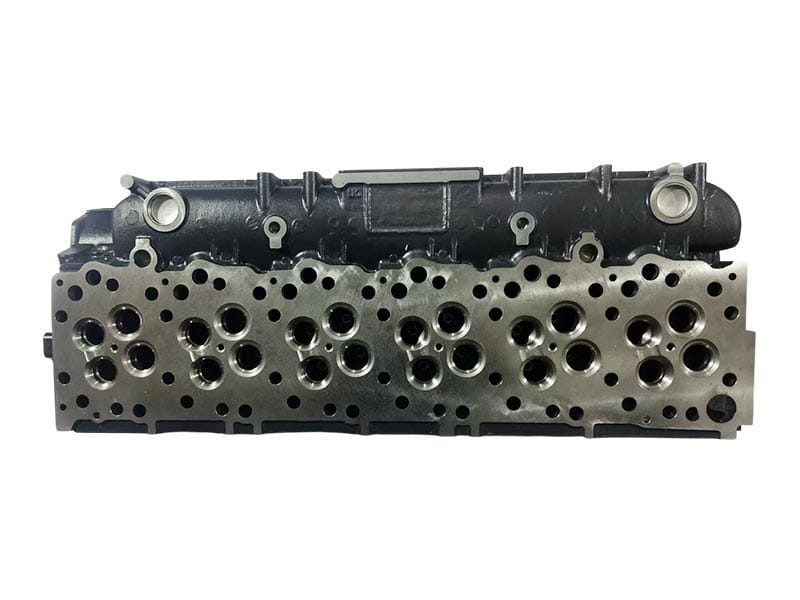
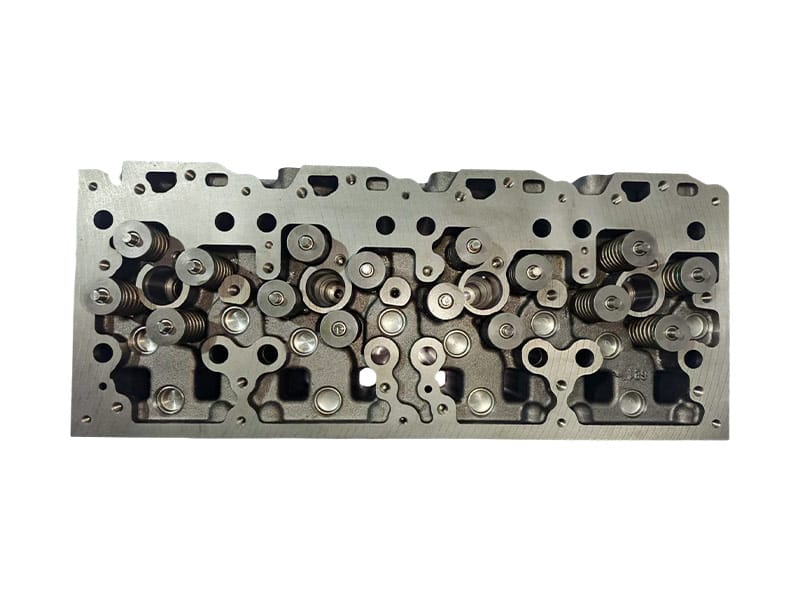
The cylinder head and head gasket can create several of the same symptoms as a block crack. If the engine is dismantled, preserve the gasket and inspect the head before concluding that the block is the only failed structure.
The earlier guide on cracked cylinder head symptoms explains why coolant loss, overheating, white exhaust, compression loss, and cooling-system pressure can overlap between head and block failures.
A strong diagnosis explains why the evidence points to the block instead of another component.
Inspect Cylinder Liners and Liner Sealing Areas
Where the engine uses replaceable liners, liner damage or liner-seal failure can imitate cracked engine block symptoms.
Coolant can enter the crankcase if a wet-liner seal fails. A damaged liner can create compression problems or coolant leakage. The block’s liner seating areas can also corrode or distort.
The wet vs dry cylinder liner guide explains why liner type changes the sealing and block-inspection requirements. Confirm the liner system before deciding that the block casting itself is cracked.
Pressure Testing Can Help Locate Block Leakage
Pressure testing can help confirm some suspected cracked engine block symptoms. Depending on the engine and stage of disassembly, the cooling circuit or removed block may be tested using an appropriate procedure.
The important point is to document where leakage appears. A pressure loss alone does not identify the exact defect if several possible leak paths remain open.
Testing conditions should follow the correct engine or machine-shop procedure. Do not invent a universal test pressure because block materials, cooling passages, plugs, liners, and fixtures vary between engines.
Use Non Destructive Testing When Visual Inspection Is Not Enough
Some block cracks are difficult to see directly. Non-destructive testing can support confirmation when the material and defect type suit the method.
Liquid penetrant testing can reveal surface-breaking discontinuities on suitable nonporous materials. The ASNT liquid penetrant testing overview explains the basic method. Magnetic particle testing can be used on suitable ferromagnetic materials where the applicable procedure calls for it.
These methods reveal indications; they do not create one universal rule for whether every engine-block crack is repairable. Location, material, loading, and the engine repair specification still matter.
Check the Deck Surface for Damage and Distortion
A block that has experienced severe overheating should have its deck condition evaluated. Warpage, erosion, cracks near cylinder or bolt areas, and damaged sealing surfaces can create symptoms that overlap with other internal leaks.
When investigating cracked engine block symptoms, deck flatness and surface condition should be checked using the applicable engine procedure. Do not apply a generic machining or flatness limit from another engine.
If resurfacing is considered, remaining block height and any engine-specific machining allowance should be confirmed before material is removed.
Inspect Cylinder Bores for Cracks and Structural Damage
Cylinder-wall damage can be one of the most serious findings behind cracked engine block symptoms. Inspect each bore or liner area for visible cracks, scoring, impact damage, distortion, and evidence of coolant entry.
If a crack extends into a cylinder structure, the repair decision may differ substantially from an external water-jacket crack. The workshop should also inspect the piston and corresponding liner or bore for secondary damage.
Do not continue honing or machining until a suspected structural crack has been evaluated.
Inspect Main Bearing Saddles and Structural Webs
The block is also the structural support for the crankshaft. A crack in a main bearing saddle, cap area, or web can affect alignment and load carrying even if there is little external coolant leakage.
These defects may not produce the most familiar cracked engine block symptoms. Instead, the engine may show bearing distress, abnormal crankshaft alignment, repeated bearing failure, or unexplained mechanical damage.
If a severe lower-engine failure occurred, inspect the block structure before approving a replacement crankshaft or rebuild.
Check Threaded Holes and Fastener Areas
Cracking around head-bolt holes, main-cap fasteners, accessory mounts, or other heavily loaded threaded areas deserves careful evaluation.
Do not assume a damaged thread is only a thread problem. If the surrounding casting is cracked, a thread insert alone may not restore the structural condition.
The repair method should be chosen only after the full defect is identified.
A written record makes cracked engine block symptoms easier to compare with teardown findings and later repair decisions.
Build an Engine Block Confirmation Record
| Evidence Area | What to Record | Why It Matters |
|---|---|---|
| Engine identity | Complete engine code and plate photo | Supports correct repair and replacement matching |
| Operating symptoms | Coolant loss, overheating, smoke, pressure, rough running | Preserves pre-teardown evidence |
| Fluid condition | Oil/coolant contamination and leak location | Helps identify internal pathways |
| Block exterior | Visible cracks, corrosion and leak tracks | Documents casting condition |
| Bores / liners | Surface condition, cracks and sealing evidence | Separates liner and block faults |
| Deck | Surface, distortion and crack findings | Supports sealing assessment |
| Main structure | Bearing saddles, webs and cap areas | Supports structural assessment |
| NDT / pressure test | Method, findings and crack location | Supports confirmation |
Decide Whether the Block Is Repairable Only After the Crack Is Located
A repair decision cannot be made from cracked engine block symptoms alone. The actual crack location is critical.
Some non-critical external casting defects may have an approved repair route through a qualified specialist. Cracks in highly stressed main-bearing structures, cylinder walls, deck areas, or other critical sections can create a very different decision.
Material also matters. Cast-iron and aluminum structures can require different repair methods, preparation, and inspection.
The workshop should not assume that welding, stitching, sleeving, or another repair is suitable until the defect has been reviewed against an approved procedure.
When Engine Block Replacement Becomes More Likely
Replacement becomes more likely when crack location, crack extent, distortion, previous repair history, or surrounding structural damage places the block outside an approved repair path.
A block may also be impractical to repair if several systems are damaged at once, such as cylinder structure, main-bearing alignment, deck condition, and threaded areas.
In those cases, the cracked engine block symptoms investigation becomes the evidence used to define the replacement scope.
Choose Between Bare Block and a More Complete Assembly
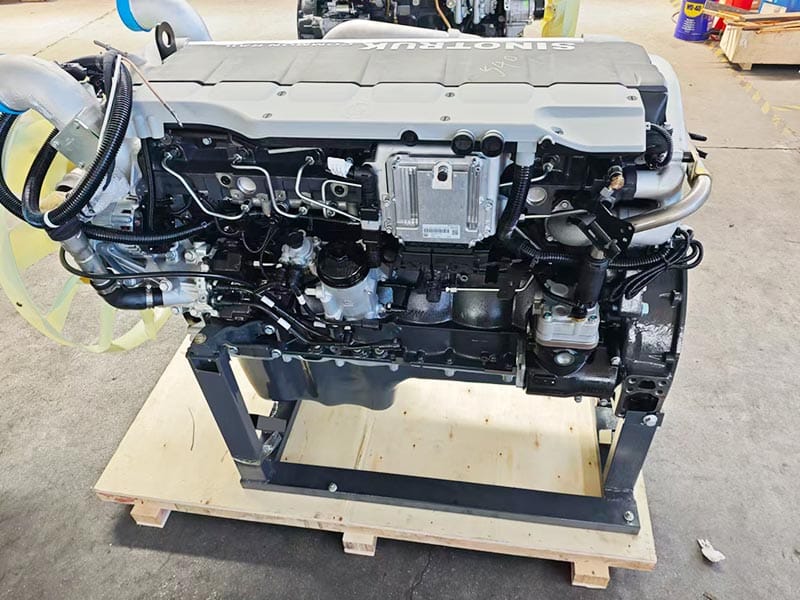
If the block must be replaced, decide how much of the old engine can be reused. The buyer may need a bare block, a block with fitted internal components, a short block, a long block, or a more complete engine assembly.
The article on short block vs long block explains why these terms should be converted into an itemized component list rather than treated as fixed industry BOMs.
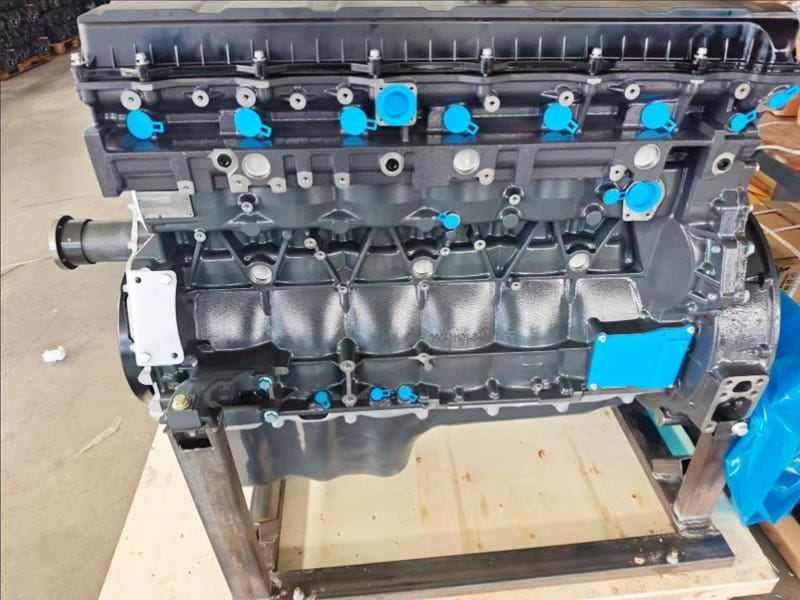
The current D2066 and 2076 engine block page specifically asks buyers to define whether they need a bare block or a unit with fitted components and to itemize the crankshaft, pistons, rods, cylinder head, and external accessories required. citeturn587179view1
Do Not Treat the Product Photo as the Replacement Specification
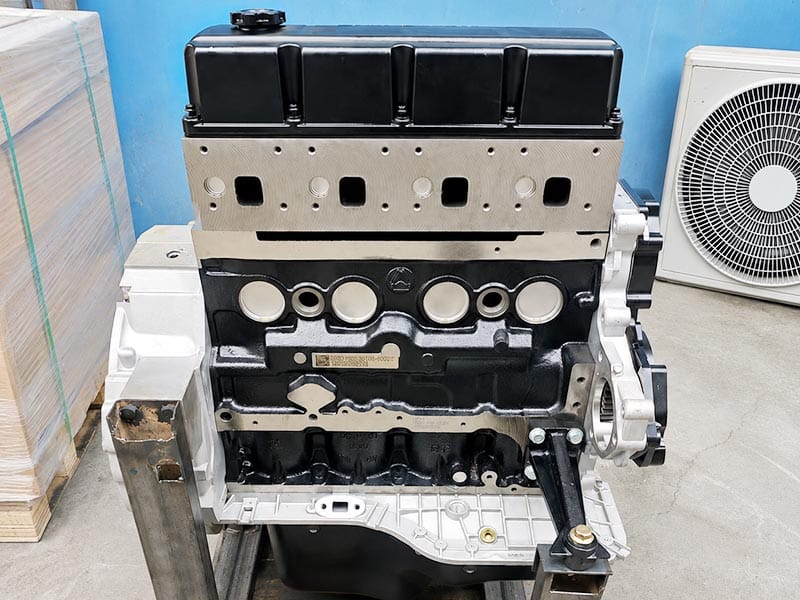
A product image may show an assembled block, but the image should not decide the order scope. This is particularly important after cracked engine block symptoms lead to a major rebuild.
Both current engine-block listings state that the photograph can show an assembled configuration while the actual included components must be confirmed in the quotation. citeturn587179view1turn587179view2
Use a written included/excluded list before ordering.
Once cracked engine block symptoms are confirmed as a block fault, the purchasing file should separate failure evidence from replacement fitment information.
What to Send When Requesting a Replacement Engine Block
If the final diagnosis confirms block replacement, send the complete engine code, engine-plate photo, existing block or casting reference, crack location, mounting and connection photos, required assembly scope, quantity, and destination.
If the engine has been rebuilt previously, include that history. If the buyer needs a fitted block rather than a bare casting, list every required internal component.
The site’s auto engine parts category includes the current block and engine-assembly listings. The category can help locate the relevant product family, but the actual replacement still needs engine-level confirmation. citeturn587179view0
You can submit the engine plate, installation details, required assembly scope, quantity, and destination through the contact page for a matching review.
Conclusion
Cracked engine block symptoms are warning signs that justify deeper investigation, not proof that the block must be replaced. Coolant loss, oil contamination, white exhaust, overheating, cooling-system pressure, compression loss, and external leaks can all have several possible causes.
The stronger diagnostic process is to document the operating history, trace the leak path, inspect the head and gasket, check liners where applicable, pressure-test the relevant system, use suitable non-destructive testing when necessary, and inspect the deck, bores, main-bearing structure, and threaded areas. Once the crack is located and its structural significance is understood, the workshop can decide whether repair is approved or whether a replacement block or larger engine assembly is required.
FAQ
What are common cracked engine block symptoms?
Common cracked engine block symptoms can include unexplained coolant loss, external coolant or oil leakage, oil and coolant mixing, persistent white exhaust vapor, overheating, cooling-system pressure, rough running, and compression loss. These symptoms are not unique to a block crack.
Can a cracked engine block be confused with a head gasket problem?
Yes. Both can cause coolant loss, combustion gas in the cooling system, overheating, fluid contamination, and compression problems. The leak path must be confirmed through testing and physical inspection.
How is an engine block crack confirmed?
Confirmation may involve visual inspection, pressure testing, and an appropriate non-destructive testing method depending on the block material and suspected crack. The exact procedure should follow the applicable engine or repair specification.
Can a cracked engine block always be repaired?
No. Repairability depends on crack location, material, crack extent, distortion, structural loading, previous repairs, and the approved repair method. A crack in a critical structural area can require replacement even when an external crack might have a repair route.
What information is needed when ordering a replacement engine block?
Send the complete engine code, engine-plate photo, existing block or casting reference, crack location, installation-interface photos, required bare or fitted configuration, quantity, and destination. The investigation of cracked engine block symptoms should remain in the repair record while replacement fitment is confirmed separately.