Preparing an engine parts RFQ is not just a purchasing formality. For heavy truck repair orders, the quality of the information sent at the inquiry stage often determines whether the supplier can identify the right component, compare the correct specification, and return a quotation that is actually useful. A short message such as “need piston” or “need oil pump” may start a conversation, but it rarely gives enough information for reliable parts matching.
A better approach is to treat the engine parts RFQ as a technical handover between the workshop, purchasing team, and supplier. The request should explain what engine is being repaired, what part is needed, what evidence is available from the old component, how many pieces are required, and which details must be confirmed before the order is approved. This guide shows how to organize that information without turning the inquiry into an unnecessarily complicated document.
Why an Engine Parts RFQ Needs More Than a Part Name
Engine components are often identified by broad names such as cylinder head, piston, cylinder liner, crankshaft, piston pin, oil pump, engine block, or complete engine assembly. These names describe the component family, but they do not prove that two parts are interchangeable.
An engine parts RFQ should therefore answer a more useful question: which exact part, for which exact engine configuration, and under which repair requirement? The same component name may cover different engine variants, production revisions, dimensions, mounting arrangements, or supplied accessories. Visual similarity is not enough to confirm fitment.
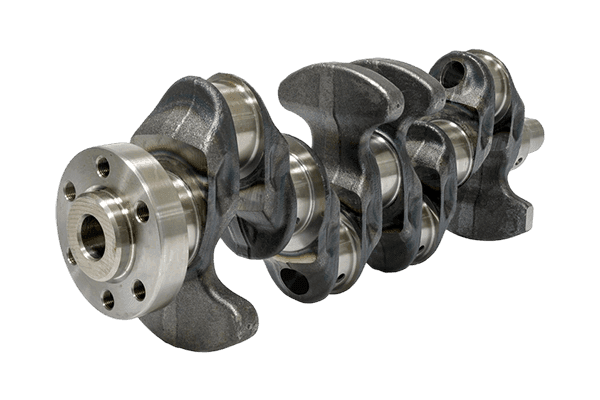
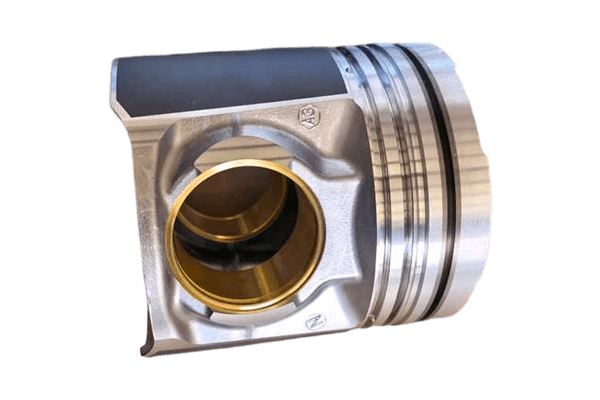
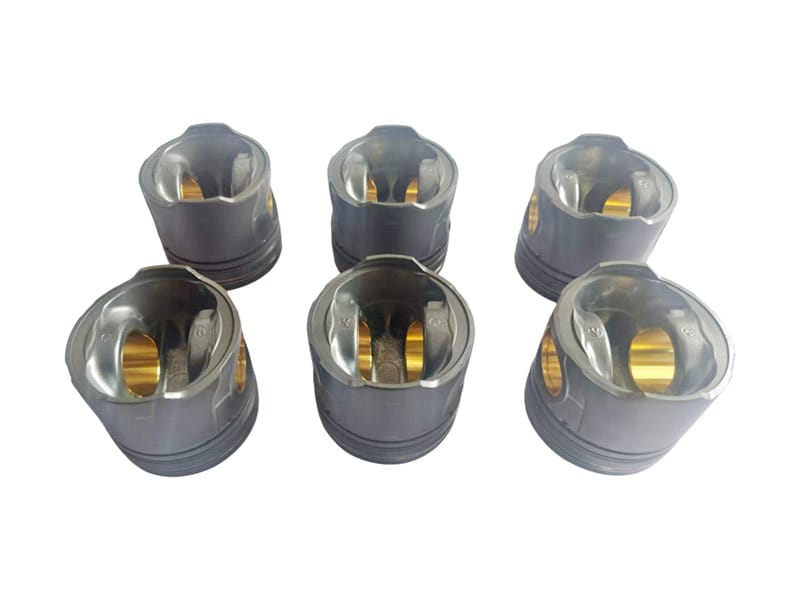
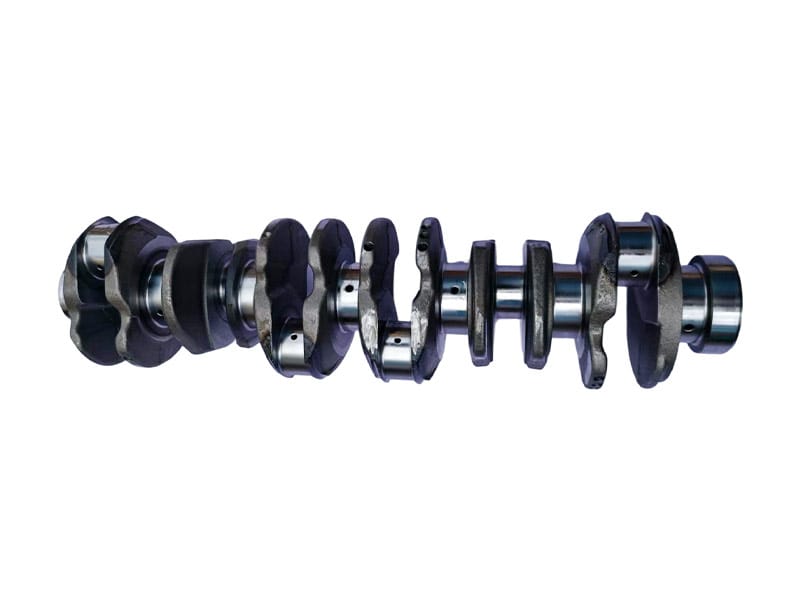
For example, an engine crankshaft request may require review of the engine code, crankshaft reference, journal dimensions, stroke, and front and rear connections. A piston inquiry may require the piston reference, bore-related information, pin dimensions, compression height, and ring arrangement. The information needed depends on the product, which is why a reusable RFQ should have both a general section and product-specific fields.
For purchasing teams, an engine parts RFQ also creates a record of what was requested and what still needs technical confirmation. When several items are sourced together, the same engine parts RFQ can keep part references, quantities, photos, and open questions aligned across the order.
Start the RFQ With the Exact Part Identification
The first section of an engine parts RFQ should identify the requested item as precisely as the buyer can reasonably manage. If a readable part number is available, copy it exactly rather than shortening it or correcting it from memory. If there are several numbers on the old part, photograph them and explain where each marking appears.
Useful identification evidence can include the old part number, casting number, stamped code, label, packaging reference from a previous purchase, workshop record, or technical drawing. A clear photograph of the complete part should normally be accompanied by closer images of markings, mounting faces, ports, connectors, gear ends, or other distinguishing features.
Do not present an uncertain number as confirmed. Mark it as “visible marking,” “possible reference,” or “previous purchase reference” when its meaning is not known. This makes the engine parts RFQ more reliable because the supplier can distinguish verified information from clues that still require review.
What if the old part number cannot be read?
Do not guess. Use the engine identity, vehicle or equipment information, detailed photographs, measured dimensions, and any remaining markings as the starting point. For some parts, a drawing with labeled dimensions is more useful than a single overall measurement. The final replacement reference should still be confirmed before purchase.
Provide the Engine Identity and Application Context
A strong engine parts RFQ connects the component to the engine in which it will be used. Buyers should provide the full engine model or code exactly as shown on the available identification source. When a serial number, VIN, engine plate image, or other application reference is available, include it rather than relying only on a family name.
Application context is especially important when one engine family has multiple versions. The truck model, vehicle configuration, repair history, and market version may help narrow the search, but these details should support rather than replace part-level verification.
For replacement work, also state whether the original engine is still installed, already disassembled, or undergoing a full rebuild. A workshop that has the engine apart can usually provide much better photographs and measurements than a fleet buyer ordering parts before teardown. The engine parts RFQ should reflect what evidence is actually available at that stage.
Define the Repair Scope Before Listing Components
An RFQ becomes much clearer when the buyer explains the repair objective. Is the workshop replacing one failed component? Rebuilding one cylinder group? Reconditioning an engine? Replacing a damaged short block? Or sourcing a complete assembly because the existing engine is beyond the planned repair scope?
This distinction matters because related parts may need to be reviewed together. A request for a piston may involve rings, a piston pin, retaining clips, and a matching cylinder liner. A crankshaft replacement may require the workshop to confirm the bearing repair size and any gears, seals, or fasteners required. An oil pump request may need mounting, drive, port, and related sealing details checked before approval.
The engine parts RFQ should not assume that associated components are automatically included. Ask the supplier to state exactly what is supplied under each quoted line.
Use Product Specific Matching Data Instead of Overall Dimensions Alone
Measurements are useful only when the measurement is relevant to fitment. A common mistake in an engine parts RFQ is to provide a length, width, and height taken from the old part and assume those values establish interchangeability. They usually do not.
Instead, identify the functional dimensions that matter for the requested component. The exact values and acceptance limits should come from the applicable engine documentation or workshop specification, not from a generic internet table.
| Component | Useful RFQ Evidence | Details That May Need Confirmation |
|---|---|---|
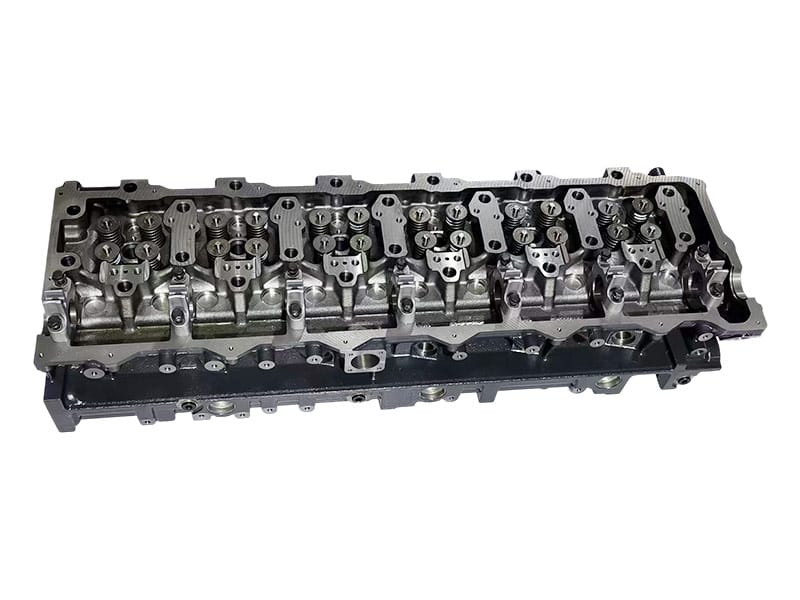
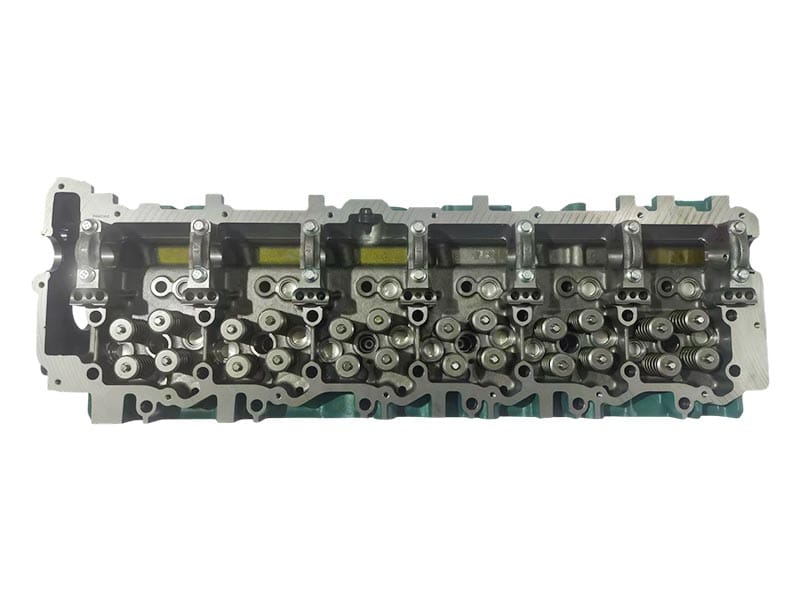
| Cylinder head | Engine code, head reference, casting marks, photos | Valve arrangement, injector or port details, supplied components, mating layout |
| Piston | Piston reference, clear photos, measured features | Bore relationship, compression height, pin bore, ring groove arrangement |
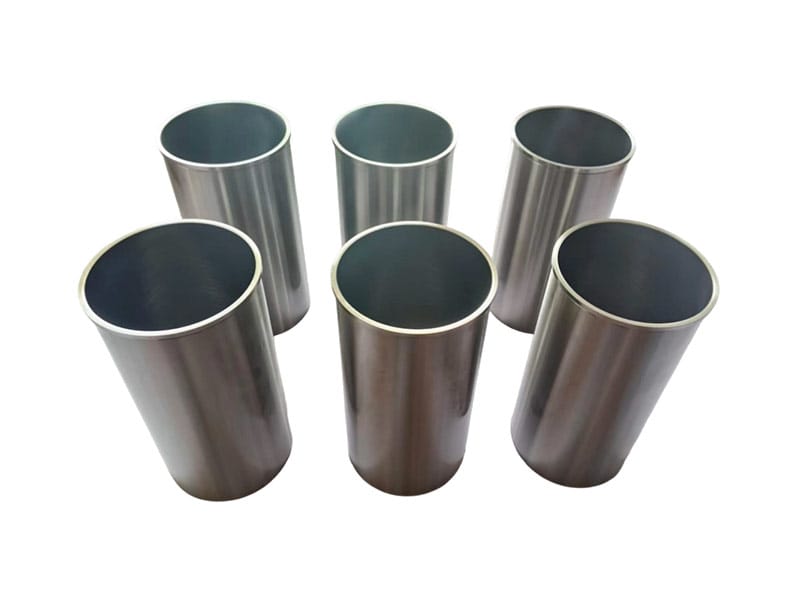
| Cylinder liner | Engine identity, old liner photos, dimensional record | Inside and outside diameters, length, flange details, liner type |
| Piston pin | Old pin reference and measurements | Diameter, length, piston and connecting-rod relationship |
| Crankshaft | Reference, journal measurements, connection photos | Main and rod journals, stroke, repair size, front and rear interfaces |
| Oil pump | Part reference, housing and mounting photos | Drive type, mounting points, inlet and outlet arrangement, related seals |
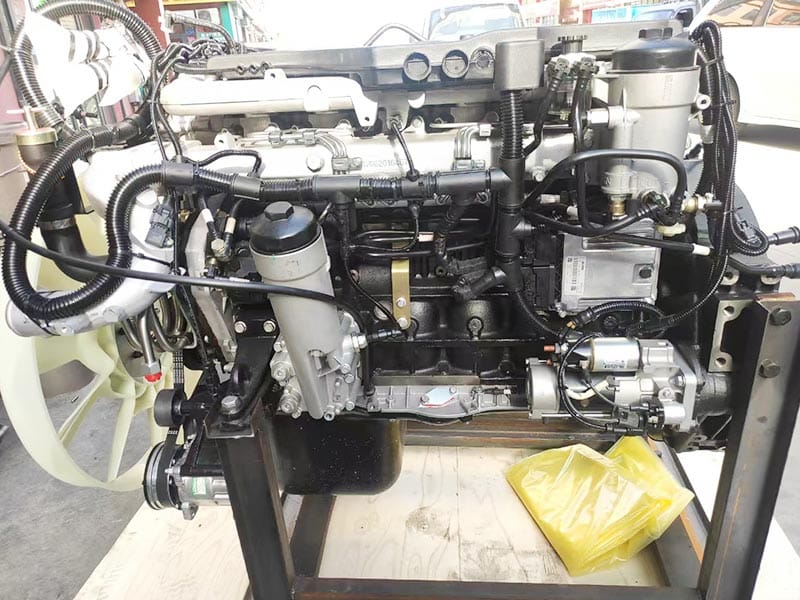
| Engine assembly | Engine plate, application information, photos | Assembly scope, accessories, electrical interfaces, installation connections |
If dimensional measurements are used to make a purchase decision, the measuring equipment and method should be suitable for the required tolerance. The NIST guidance on metrological traceability explains why measurement results are more meaningful when they can be related to references through a documented calibration chain. An RFQ does not need to become a laboratory report, but buyers should avoid treating an uncertain workshop measurement as an exact design specification.
State Quantity by Line Item and by Engine Set
Quantity is one of the simplest details in an engine parts RFQ, yet it is also a common source of confusion. “One set” may mean different things to different buyers. For one workshop, it may mean the number required for one engine. For another, it may mean one supplier-defined kit.
Use explicit quantities whenever possible. For example, state the number of pistons, liners, pins, cylinder heads, pumps, or assemblies required. If the request is for complete engine sets, show both the number of engines and the required quantity of each component per engine.
This is particularly important for an engine piston inquiry. Product photographs may show several pieces, but an image does not define the sales quantity or prove that rings, pins, or retaining clips are included. The RFQ should ask the supplier to confirm the quoted piece count and accessories.
Separate Required Parts From Optional or Inspection Dependent Parts
A well-structured engine parts RFQ distinguishes three groups: parts that are definitely required, parts that may be required after inspection, and parts that the buyer wants quoted as optional items.
This structure is useful for engine rebuilds because the workshop may know that a damaged crankshaft must be replaced while bearings, gears, or other related parts are still under evaluation. If every possible component is placed into one undifferentiated list, the quotation can become difficult to compare.
A practical format is to use a “Requirement Status” column with entries such as Required, Optional, Pending Inspection, or Reference Only. This lets the supplier prepare the quotation without assuming that every listed component is part of the confirmed order.
Attach Photos That Help Identify Fitment
Photos can make an engine parts RFQ far more useful, but only if they show the right information. One distant photograph of a dirty component rarely solves an identification problem.
Start with a full view that shows the complete component. Then add close-up images of part numbers, casting marks, labels, mounting faces, ports, connectors, gear interfaces, flange shapes, and any unusual design features. Photograph a ruler or measurement tool only when the method is clear enough to be useful.
For an engine assembly inquiry, include the engine identification plate and the sides where major connections or accessories are visible. For a cylinder head, show the important mating faces and visible identifiers. For an engine oil pump, clear views of the drive, mounting pattern, housing, and ports may help distinguish versions that look similar from one angle.
Make the Supply Scope Explicit in the RFQ
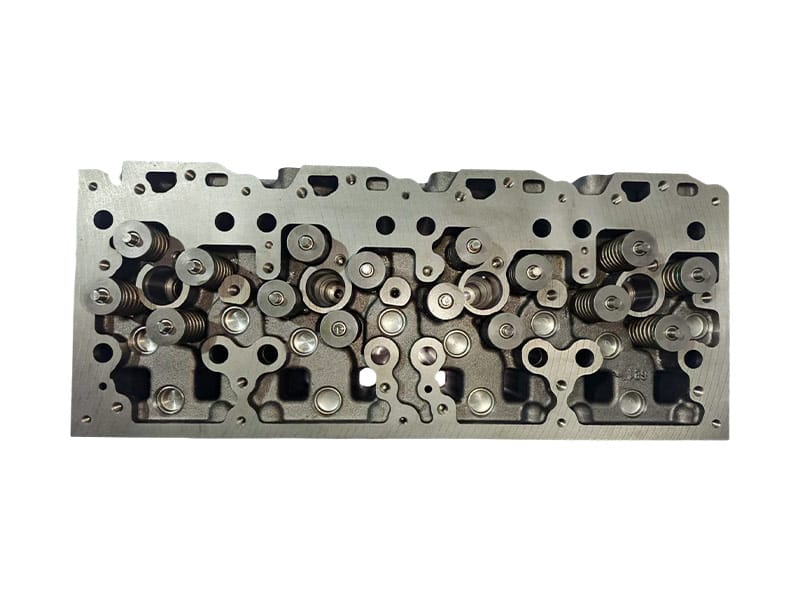
The quoted part name does not always describe everything inside the package. A particularly important section of an engine parts RFQ is therefore the requested supply scope.
For cylinder heads, clarify whether the request is for a bare casting or an assembled configuration and ask which valves, springs, guides, seats, plugs, or other components are included. For a crankshaft, ask whether bearings, gears, seals, or related hardware are separate. For an engine assembly, request an itemized list of major included accessories rather than assuming that every component shown in a photograph is part of the quotation.
If the buyer has already defined a bill of materials, attach it with revision identification. If the scope is still open, ask the supplier to return an included/not-included list. This simple step makes quotation comparison far more useful.
Ask for the Quality Evidence That Matters to the Order
An engine parts RFQ should distinguish between marketing statements and order-specific evidence. Instead of asking only whether the part is “high quality,” ask what documentation can be supplied for the specific product or batch under quotation.
Depending on the component and purchasing requirement, this may include an inspection record, dimensional report, material information, traceability record, packing photos, identification photos, or other agreed documentation. Do not assume that every document applies to every product.
Quality management standards can help buyers understand how organizations structure controlled processes, but certification alone does not prove the fitment or condition of one individual part. The ISO overview of ISO 9001 quality management is useful background for understanding process-based quality systems. The RFQ should still state which product-specific evidence is required for the actual order.
Clarify Packaging, Identification and Receiving Requirements
Packaging is not only a freight issue. For mixed engine parts, clear packaging identification can reduce receiving errors. An engine parts RFQ can request that packages or internal labels identify the purchase-order line, part reference, quantity, and other information needed by the receiving team.
Heavy or precision components may also need different handling and protection methods. Crankshafts, cylinder heads, liners, small pins, and complete engine assemblies should not be treated as though they have the same packing requirements. Buyers should state any known storage, corrosion-protection, lifting, or labeling needs and ask the supplier to confirm the proposed packing arrangement.
For international shipments, the commercial quotation should also identify the agreed delivery basis. The International Chamber of Commerce Incoterms rules provide a standardized framework for allocating transport-related responsibilities between seller and buyer. The chosen rule and named place should be stated clearly in the commercial documents rather than left to assumption.
Build the RFQ So Different Quotations Can Be Compared Line by Line
A good engine parts RFQ is designed not only to obtain a response but also to make the responses comparable. If two suppliers quote different supply scopes under the same broad description, a buyer cannot evaluate the offers fairly.
Use one line for each distinct part and include a reference field for the supplier’s proposed part number. Ask the supplier to identify any substitution, supersession, dimensional difference, excluded accessory, or open technical point.
| RFQ Field | Buyer Should Provide | Supplier Should Confirm |
|---|---|---|
| Part identification | Known number, description, markings, photos | Quoted reference and identification basis |
| Engine/application | Engine code, plate information, application context | Fitment basis and any unresolved variation |
| Technical specification | Relevant dimensions or workshop requirement | Quoted specification and deviations |
| Quantity | Pieces or clearly defined engine sets | Quoted quantity and pack arrangement |
| Supply scope | Required accessories or BOM | Included and excluded components |
| Quality evidence | Required records | Documents available for the order |
| Delivery information | Destination and requirements | Confirmed logistics scope and documentation |
When the engine parts RFQ is structured this way, purchasing teams can identify technical gaps before approving an order instead of discovering them during receiving or installation.
How to Prepare an RFQ for a Mixed Engine Parts Order
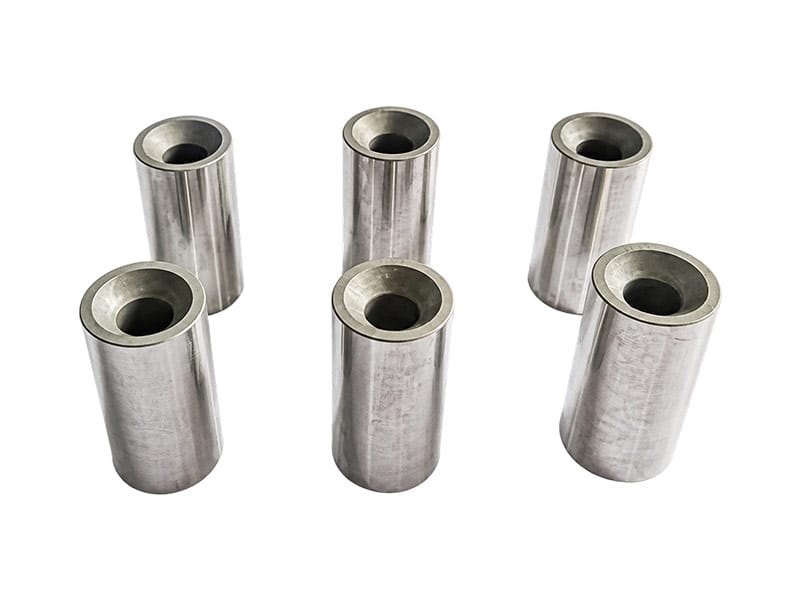
Distributors, fleets, and repair businesses often source several components in one purchase. In this case, the engine parts RFQ should use a spreadsheet or structured table rather than a long message.
Give every line a unique item number. Keep the old reference, proposed replacement reference, engine model, quantity, requirement status, photo file name, and comments in separate columns. If several lines belong to the same engine rebuild, give them the same project or engine identifier.
Do not merge similar-looking parts into one line simply because they share a broad description. A mixed request for pistons, liners, pins, crankshafts, oil pumps, cylinder heads, blocks, and assemblies should preserve the evidence associated with each item.
You can review the current engine parts product range to identify the relevant component category before preparing the request. When the product is not already clear from the catalog, send the available identification evidence rather than assuming a listed item is interchangeable.
What to Send When You Contact an Engine Parts Supplier
A complete inquiry does not need to be complicated. For many orders, a useful engine parts RFQ can begin with the following information in one organized message or spreadsheet:
Engine identification: full engine model or code, available plate or serial information, and application context.
Part identification: part name, visible numbers or markings, old-part photos, and drawing or previous record if available.
Technical evidence: only the fitment-related measurements or specifications relevant to the component, with uncertain information clearly marked.
Requirement: exact piece quantity, whether the order is for one repair or multiple engine sets, and which related parts should be included.
Order requirements: destination, packaging or labeling requirements, requested inspection records, and any other documents that need to be confirmed.
For a direct matching review, use the contact page and send the engine details, parts list, quantities, and available photographs. The more clearly the evidence is organized, the easier it is to identify what still needs confirmation.
Conclusion
A useful engine parts RFQ is a controlled transfer of information from the repair requirement to the supplier. It should identify the engine, identify the component, show the available evidence, define the quantity and supply scope, and separate technical confirmation from logistics and documentation requirements.
The goal is not to make every inquiry longer. The goal is to make every field purposeful. A concise RFQ with a correct engine code, clear old-part photos, useful dimensions, a defined quantity, and an included-components request is more valuable than a long message filled with uncertain specifications.
For heavy truck repairs, this structure can reduce avoidable clarification, make quotations easier to compare, and help the workshop review the proposed part before an order is released.
Before final approval, review the engine parts RFQ against the supplier’s returned scope and close any unresolved fitment points. Keep the approved engine parts RFQ with the order record so receiving and workshop teams can check that the delivered scope matches the agreed request.
FAQ
What information should an engine parts RFQ include?
An engine parts RFQ should normally include the engine identity, part name and reference, clear photographs, relevant fitment information, required quantity, supply scope, destination, and any documentation or packaging requirements. The exact technical fields depend on the component being sourced.
Can I send an RFQ without an OE or part number?
Yes, an inquiry can still start without a confirmed part number. Provide the engine code, identification plate information, old-part photographs, visible markings, relevant measurements, and application details. Do not invent a reference number simply to complete the form.
Should I include dimensions in every engine parts RFQ?
Include dimensions when they help confirm the specific component. Functional measurements are generally more useful than overall length, width, and height. Use an appropriate measuring method and do not replace the engine’s official specification with an uncertain workshop measurement.
How should I request a complete engine set of parts?
List the quantity required for each component and define what “one engine set” means. If related items such as rings, pins, clips, bearings, seals, or gears are required, identify them separately or attach a bill of materials so the supplier can confirm the supply scope.
How can I make different engine parts quotations easier to compare?
Send the same structured engine parts RFQ to each approved source and ask each quotation to state the proposed reference, fitment basis, quantity, included components, available quality evidence, and unresolved technical points. This helps prevent different product scopes from being compared as though they were identical.