Dapat diandalkan cylinder liner identification requires more than measuring overall length and outside diameter. Two liners can look almost identical on a workbench while differing in bore, fitting diameter, flange geometry, sealing grooves, liner type, fire-protection rim, wall thickness, or the way they locate in the engine block. For a heavy truck rebuild, one wrong feature can turn a visually similar liner into the wrong replacement.
The safest approach is to identify the engine first, then document the old liner systematically. Engine code, visible part markings, bore, fitting diameter, flange diameter, flange height, total length, sealing arrangement, and photos of the liner and block interface should be reviewed together. This guide explains how to build a practical cylinder liner identification package before a replacement order is approved.
Start Cylinder Liner Identification With the Engine Code
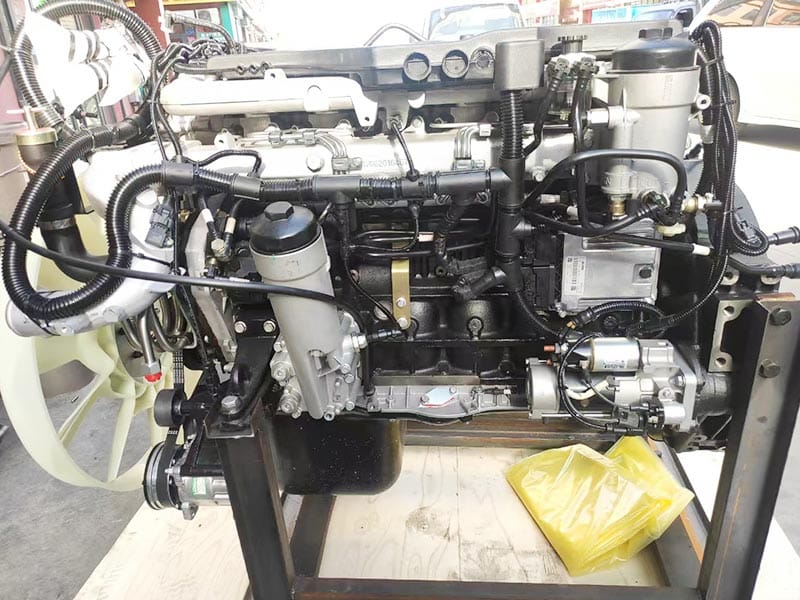
Langkah pertama dalam cylinder liner identification is confirming which engine the liner came from. Record the complete engine model or code from the engine plate or reliable service documentation.
Do not rely only on the truck model. One vehicle family can use more than one engine version, and an older truck may have received a replacement engine during its service life. If the engine has been rebuilt before, the current liner may also differ from the nominal original configuration.
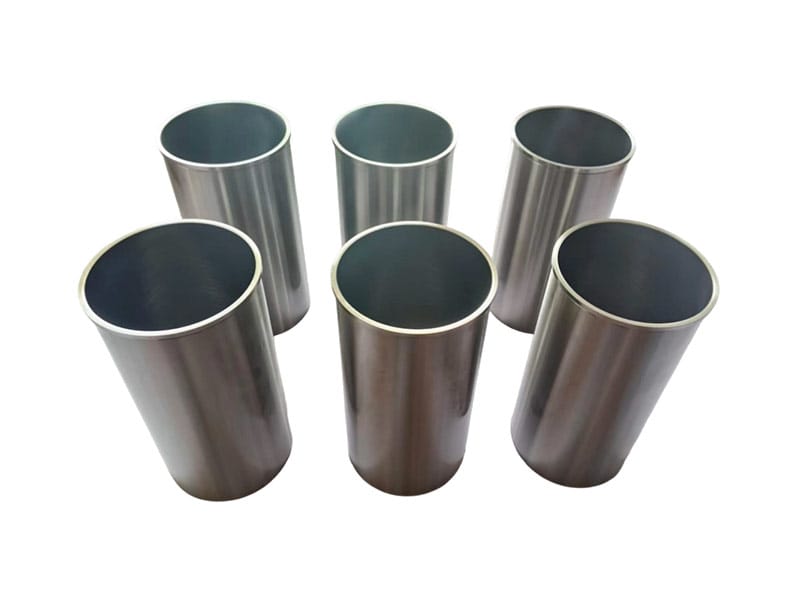
Arus engine cylinder liner product page can be used as a starting point for the product category, but the final liner still needs to be matched against the actual engine and old component.
Record Every Visible Part Mark Before Cleaning
Before heavy cleaning, photograph every visible number, logo-free production mark, cast feature, etched reference, or workshop mark on the old liner. A complete cylinder liner identification record should preserve these clues before corrosion removal, blasting, honing, or machining changes the surface.
Do not assume every visible number is an orderable part number. Some marks may identify production batches, size groups, machining states, or manufacturing stages. If the meaning is unknown, record it as a visible marking instead of presenting it as confirmed.
Take one close-up and one wider image showing where the mark appears. This helps the supplier or workshop compare the reference with the liner geometry.
Identify Whether the Liner Is Wet or Dry
One of the most important parts of cylinder liner identification is determining how the liner works in the engine block.
A wet liner is directly surrounded by engine coolant and normally uses sealing rings to prevent leakage between the cooling system and crankcase. A dry liner is supported by the block bore and is not directly surrounded by coolant in the same way.
This distinction affects the outer profile, sealing arrangement, block interface, installation procedure, and inspection points. If the liner type is uncertain, do not guess from wall thickness alone. Inspect the old liner, block design, seal grooves, flange, and engine documentation.
Yang tadi panduan liner silinder basah vs kering explains the structural and installation differences in more detail.
Measure Bore Diameter at the Correct Stage
Bore is an obvious cylinder liner identification dimension, but it still needs context. Determine whether the measurement is from a new finished liner, a worn removed liner, or a semi-finished replacement that still requires machining.
A worn liner can have taper and out-of-round, so one bore reading should not automatically become the ordering specification. If the original bore size is known from engine documentation, use that specification alongside actual measurements.
When measuring a used liner, record the measuring height and orientation. This prevents a worn area from being mistaken for the liner’s original nominal bore.
Measure Fitting Diameter or Outer Register Diameter
Outside diameter is not one single dimension on every liner. A strong cylinder liner identification process distinguishes the fitting or register diameter from the general barrel outside diameter and from any sealing-area diameter.
The fitting diameter is particularly important because it determines how the liner locates in the block. A liner with the correct bore but the wrong register diameter may not fit the block correctly.
Use a marked sketch or photograph showing exactly where the outside measurement was taken. “OD = 120 mm” is much less useful than “upper register diameter measured at this location.”
Check Flange Diameter and Flange Height
Flange geometry is another critical part of cylinder liner identification. Measure the flange outside diameter and flange height or thickness where the design uses a flanged liner.
The flange determines how the liner locates and transfers load into the block. A liner with the correct bore and overall length can still be wrong if the flange diameter, height, or underside geometry does not match the block seat.
Inspect the old flange for breakage, fretting, corrosion, or previous machining. Damage should be recorded separately from the nominal identification dimensions.
Inspect Fire Protection Rim or Top Liner Geometry
Some liners use a fire-protection rim or other special geometry at the top. This feature should be included in cylinder liner identification because it affects combustion-area fit and gasket relationship.
Record the rim height, diameter, and shape when relevant. If the old liner has been machined or worn, compare its geometry with the correct engine specification rather than copying the damaged dimension directly into the RFQ.
Do not assume that two liners with the same flange and bore use the same top geometry.
Measure Total Length but Do Not Use It Alone
Total liner length is useful supporting evidence, but it should not be the main basis for cylinder liner identification. Different liners can share a similar overall length while using different flange, fitting, or sealing features.
Measure the total length from defined surfaces and record whether the flange is included in the measurement. If a supplier requests a drawing, mark the endpoints clearly.
Overall length is most useful when it is combined with bore, fitting diameter, flange dimensions, and sealing details.
Inspect Sealing Grooves and O Ring Positions
For wet liners, sealing grooves can be among the most decisive cylinder liner identification features. Record the number of grooves, their location, width, spacing, and which component carries them—the liner, block, or both—according to the engine design.
Do not assume a replacement liner includes seals. The number, material, and position of O-rings or other sealing rings should be confirmed separately.
If the old sealing area shows corrosion or erosion, photograph it. That condition may help explain the failure but should not be mistaken for the original design geometry.
Check Lower Pilot or Guide Features
Many liners have lower guide or pilot areas that locate the liner within the block. These features should be part of cylinder liner identification.
Measure the relevant diameter and length where required. Look for steps, tapers, grooves, relief areas, or transitions that distinguish the liner from visually similar alternatives.
A replacement with the correct top flange but wrong lower pilot can be difficult or impossible to install correctly.
Use a Standard Cylinder Liner Dimension Map
A consistent dimension map helps purchasing teams compare liners without confusing one feature for another.
| Dimension | What It Describes | Mengapa Itu Penting |
|---|---|---|
| Bore | Finished internal running diameter | Matches piston and combustion geometry |
| Fitting/register diameter | Outer locating diameter | Matches the block bore or register |
| Flange diameter | Outside diameter of top flange | Matches block seat and gasket area |
| Flange height | Thickness/height of flange | Affects seating and protrusion |
| Total length | Overall liner height | Supports application comparison |
| Seal diameter/grooves | Wet-liner sealing geometry | Controls coolant sealing fit |
| Top rim geometry | Fire-protection or upper feature | Affects top-end fit and sealing |
Compare Liner Protrusion Requirements With the Engine Specification
Liner protrusion is an installation condition rather than a simple catalog dimension, but it still matters to cylinder liner identification because the replacement flange and block seat must be capable of producing the correct installed condition.
Too much or too little protrusion can create sealing and mechanical problems. However, the correct value is engine-specific and should never be copied from another engine family.
Before ordering, confirm whether the engine uses selective shims, oversize flanges, machined seats, or another method to establish protrusion.
Do Not Confuse Wear With Design
A used liner can be worn, corroded, cavitated, scored, or distorted. These conditions can change the measurements used for cylinder liner identification.
For example, cavitation can reduce wall thickness locally on a wet liner. Severe wear can enlarge the bore. Corrosion can alter the outer surface. A broken flange can change the apparent flange height.
Separate “as measured after service” from “required replacement specification.” Use the engine’s technical data to understand which dimensions represent original design and which are evidence of wear.
Cocokkan Liner Dengan Piston
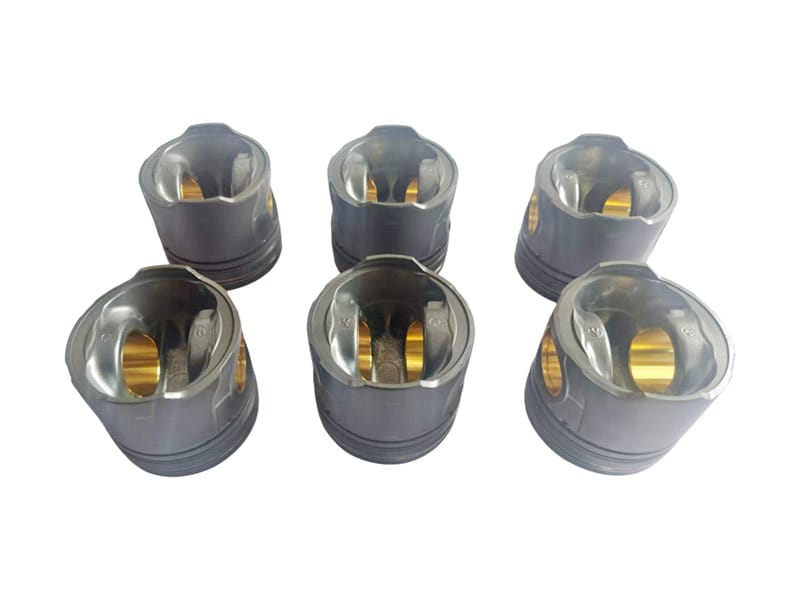
Benar cylinder liner identification process should always connect the liner to its piston. The piston reference, bore relationship, compression height, pin size, ring configuration, and repair status may all affect the final set.
Artikel pada pencocokan piston dan liner explains why piston and liner selection should be handled as one fitment problem.
If a supplier proposes a different liner reference, confirm that the piston relationship remains correct rather than evaluating the liner in isolation.
Check Whether the Liner Is Finished or Semi Finished
Some replacement liners are supplied with a finished bore while others require final machining or honing. This is another important cylinder liner identification field.
Ask whether the liner is ready for installation and piston matching or whether the workshop must machine it to final size. The answer affects both purchasing and workshop planning.
If the liner is semi-finished, the RFQ should identify the intended final bore and the approved machining process rather than treating the current bore as the final running dimension.
Periksa Ukuran Standar Versus Ukuran Perbaikan
Previous engine work can change cylinder liner identification. Some engines use standard liners only, while others may have repair options involving oversize outside diameters, flange changes, or block machining.
Review the block history before ordering. If the liner seat or bore has been machined previously, the replacement may need a repair-size feature even when the piston bore remains standard.
Do not infer repair size from the liner’s overall appearance. Use measurements and service records.
Build a Cylinder Liner Identification Photo Set
| Photo | Apa yang Harus Ditampilkan |
|---|---|
| Full liner | Complete side profile |
| Top flange | Flange, rim and upper register |
| Lower end | Pilot, seal area and lower geometry |
| Seal grooves | Number, spacing and location |
| Penandaan bagian | All readable references |
| Damage areas | Corrosion, cavitation, scoring or broken flange |
| Plat mesin | Complete engine identification |
Use Measurements With Clear Reference Points
If measurements are used in cylinder liner identification, each value should be tied to a specific feature. This is especially important when several outside diameters exist on the same liner.
Use an annotated photo or simple drawing. Label bore, flange diameter, flange height, upper register, barrel outside diameter, seal diameter, lower pilot, and total length where relevant.
The Panduan NIST tentang ketertelusuran pengukuran is useful background for understanding why measurement results are stronger when the method and reference are documented. For parts matching, the practical goal is to make sure buyer and supplier are measuring the same feature.
What to Do When the Old Liner Has No Part Number
When the reference is missing, cylinder liner identification should rely on engine data and physical geometry.
Send the engine code, bore, fitting diameter, flange diameter, flange height, total length, seal-groove pattern, top and lower geometry, photos, and piston information.
Ask the supplier to return the proposed reference and explain which dimensions and engine data support the match.
What to Do When the Old Liner Is Too Damaged to Measure Reliably
Severe cavitation, corrosion, scoring, or flange damage can make cylinder liner identification more difficult.
Use unaffected portions of the liner where possible and compare the measurements with engine documentation. If another undamaged cylinder from the same engine is available and confirmed to use the same liner, it may provide additional reference evidence.
Do not copy the most damaged dimension into the purchase order as though it were the nominal specification.
Create a Minimum Identification Package Before Ordering
| Field | Required Information | Status |
|---|---|---|
| Identitas mesin | Engine code and plate photo | Dikonfirmasi / Tertunda |
| Referensi liner lama | Part marks and photos | Confirmed / Unreadable |
| Jenis liner | Wet / dry / pending | Confirmed / Review |
| Bore | Specification and/or measured value | Confirmed / Review |
| Fitting diameter | Defined measuring location | Confirmed / Review |
| Flange | Diameter and height | Confirmed / Review |
| Pengaturan segel | Grooves and seals where applicable | Confirmed / Review |
| Length | Total liner length | Confirmed / Review |
| Pertandingan piston | Piston reference and repair status | Confirmed / Review |
Apa yang Harus Dikirim untuk Tinjauan Pencocokan Liner Silinder
Untuk yang praktis cylinder liner identification review, send the complete engine code, engine-plate photo, old liner markings, clear photos, bore, fitting diameter, flange dimensions, total length, sealing-groove information, piston reference, repair history, and required quantity.
If the engine is being rebuilt with pistons, pins, rings, or seals at the same time, list those parts separately so the supplier can review the complete matching set.
You can submit the engine code, part marks, matching dimensions, photographs, and required piece count through the halaman kontak untuk review yang cocok.
Kesimpulan
Accurate cylinder liner identification depends on geometry, engine data, and application context. Bore and total length are useful, but they do not prove fitment by themselves. The fitting diameter, flange, seal grooves, liner type, top geometry, lower pilot, repair status, and piston relationship can all distinguish one liner from another.
The strongest purchasing process is to turn the old liner into a documented dimension map and photo set before ordering. When engine code, part markings, functional dimensions, sealing arrangement, and piston match all support the same candidate, the replacement decision is much more reliable than a simple comparison of outside dimensions.
FAQ
What measurements are needed for cylinder liner identification?
A cylinder liner identification package may include bore, fitting or register diameter, flange diameter, flange height, total length, sealing-area dimensions, top-rim geometry, and lower pilot dimensions. The exact fields depend on the liner design.
Can cylinder liner outside diameter identify the correct part?
No. A liner may have several outside diameters for registers, barrel areas, sealing areas, or lower pilots. Outside diameter should be combined with bore, flange, seal grooves, length, engine code, and liner type.
How can I tell whether a cylinder liner is wet or dry?
Check whether coolant contacts the liner outer wall directly, whether sealing rings are used, and how the liner is supported in the block. Engine documentation and block design are stronger evidence than wall thickness alone.
What if the old cylinder liner has no readable part number?
Use the engine code, liner type, bore, fitting diameter, flange dimensions, total length, seal-groove pattern, photos, and piston information. Ask the supplier to explain the basis for the proposed replacement.
Why should piston information be included in cylinder liner identification?
The liner and piston operate as a matched system. Bore relationship, repair size, piston design, ring configuration, and other dimensions must work together. Good cylinder liner identification therefore includes the piston reference or matching requirements whenever possible.