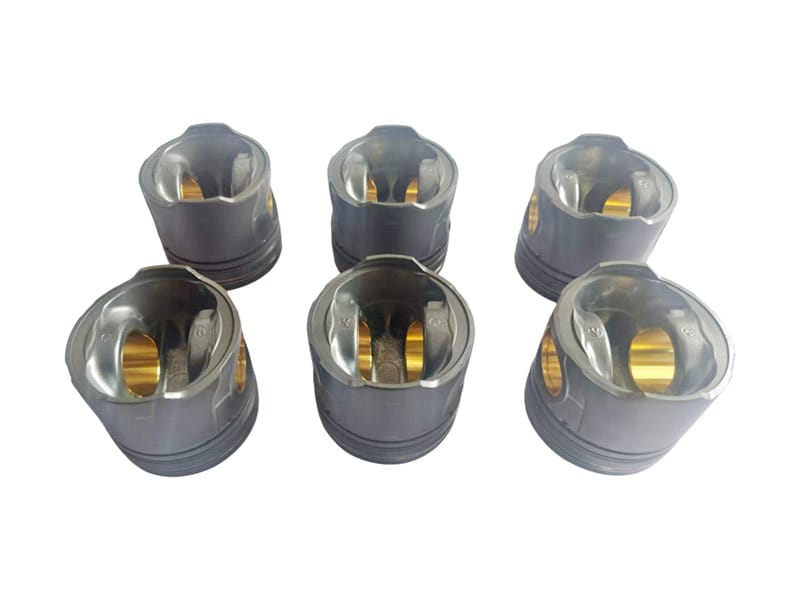
Membandingkan OEM vs bagian mesin aftermarket sering direduksi menjadi pertanyaan sederhana: mana yang lebih baik? Untuk perbaikan mesin truk berat, pertanyaan itu terlalu luas untuk mendukung keputusan pembelian yang andal. “OEM” menggambarkan hubungan dengan saluran peralatan asli, sementara “aftermarket” mencakup kelompok suku cadang pengganti yang disediakan secara independen yang jauh lebih luas. Tidak ada label, dengan sendirinya, yang membuktikan kesesuaian, bahan, kondisi pemesinan, komponen yang disertakan, riwayat inspeksi, atau kesesuaian satu bagian tertentu.
Perbandingan yang lebih baik dari OEM vs bagian mesin aftermarket dimulai dengan bukti. Pembeli harus bertanya apa yang membuktikan identitas bagian, apa yang membuktikan kesesuaian dengan mesin, informasi teknis apa yang tersedia, inspeksi mana yang berlaku untuk komponen sebenarnya, dan apa sebenarnya yang akan dipasok. Ini lebih penting lagi untuk kepala silinder, piston, liner, pin piston, poros engkol, pompa oli, blok mesin, dan rakitan mesin, di mana perbedaan kecil dapat mempengaruhi hasil pemasangan dan perbaikan.
Apa Artinya OEM dalam Pembelian Suku Cadang Mesin
Dalam transaksi mesin-bagian, OEM biasanya digunakan untuk menggambarkan bagian pengganti yang terkait dengan saluran suku cadang atau sistem spesifikasi produsen peralatan asli. Namun, kata tersebut sering digunakan secara longgar dalam daftar dan kutipan online. Pemasok yang menulis “nomor OEM” mungkin hanya memberikan referensi silang. Itu tidak secara otomatis membuktikan bahwa bagian yang dikutip diproduksi untuk, dipasok melalui, atau disahkan oleh saluran peralatan asli.
Ketika membandingkan OEM vs bagian mesin aftermarket, perlakukan “OEM” sebagai klaim yang seharusnya memiliki arti yang pasti. Tanyakan apakah pernyataan tersebut mengacu pada identitas merek bagian tersebut, referensi aplikasi aslinya, sumber produksinya, spesifikasi desainnya, atau hanya nomor referensi yang digunakan untuk pencocokan.
Nomor referensi sangat berguna untuk penelitian fitment, tetapi nomor saja tidak boleh diperlakukan sebagai bukti asal. File pembelian harus memisahkan dua pertanyaan: “Mesin atau aplikasi apa yang sesuai dengan referensi ini?” dan “Bukti apa yang mendukung sumber yang diklaim dari bagian yang disediakan?”
Apa Arti Aftermarket dan Mengapa Kategori Begitu Luas
Suku cadang mesin aftermarket adalah komponen pengganti yang dijual di luar saluran suku cadang servis pabrikan kendaraan asli. Definisi itu mencakup banyak model sumber yang berbeda. Beberapa penggantian direkayasa untuk aplikasi tertentu dengan dimensi dan persyaratan inspeksi yang terdokumentasi. Yang lain mungkin generik, tidak terdokumentasi dengan baik, atau terutama didasarkan pada kesamaan visual.
Variasi inilah yang menyebabkan an OEM vs bagian mesin aftermarket perbandingan tidak bisa berhenti pada nama kategori. Poros engkol aftermarket dengan data aplikasi yang jelas, dokumentasi dimensi, informasi material, dan catatan inspeksi memberi pembeli lebih banyak untuk dievaluasi daripada bagian yang tidak dapat dilacak yang digambarkan hanya sebagai “kompatibel.”
Kebalikannya juga benar: label OEM tidak boleh menghilangkan pemeriksaan penerimaan normal. Kerusakan pengiriman, pemilihan referensi yang salah, cakupan pasokan yang tidak lengkap, atau ketidakcocokan katalog masih dapat menimbulkan masalah bahkan ketika sumbernya sah.
Jangan Gunakan Nomor Referensi sebagai Bukti Identitas OEM
Salah satu aturan terpenting saat mengevaluasi OEM vs bagian mesin aftermarket adalah memisahkan nomor referensi dari klaim sumber. Pemasok dapat mencantumkan referensi asli karena membantu pembeli mengidentifikasi aplikasi. Itu tidak berarti bagian pengganti itu sendiri adalah komponen saluran-asli.
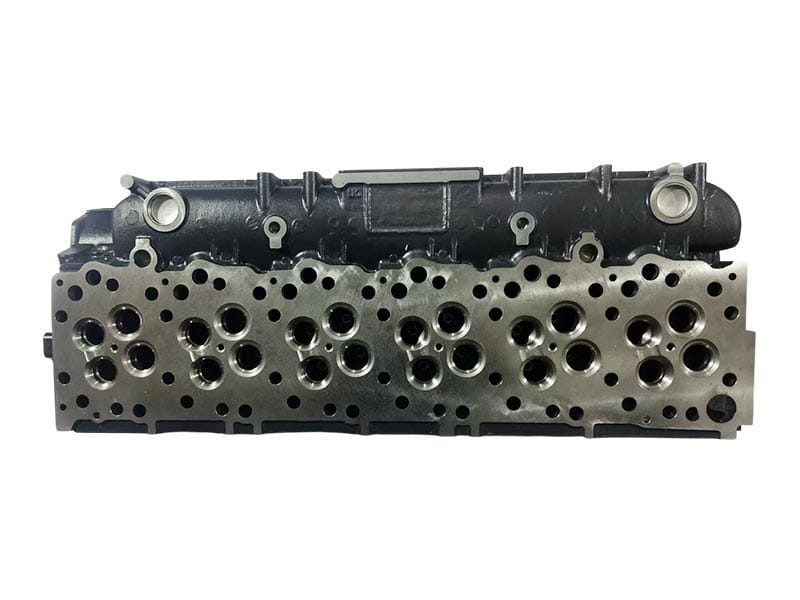
Misalnya, kutipan kepala silinder dapat menunjukkan referensi aplikasi yang cocok dengan kepala lama. Ini berguna untuk proses pencocokan. Untuk menetapkan identitas bagian yang dipasok, bagaimanapun, pembeli harus meninjau label produk yang sebenarnya, identifikasi kemasan, dokumentasi pemasok, informasi ketertelusuran, dan bukti lain yang relevan dengan klaim yang dibuat.
Perbedaan ini melindungi kedua belah pihak. Pembeli dapat menggunakan referensi silang untuk menemukan pengganti tanpa salah mengklasifikasikan produk, sementara pemasok dapat menggambarkan bagian yang kompatibel secara akurat tanpa mengubah referensi aplikasi menjadi pernyataan asal yang tidak didukung.
Fitment Harus Dibuktikan Secara Terpisah Dari Kategori Bagian
Pertanyaan praktis yang paling penting dalam OEM vs bagian mesin aftermarket seringkali bukan kategori mana yang termasuk dalam suku cadang tersebut, namun apakah benar untuk perbaikan mesin yang sebenarnya.
Fitment harus diperiksa dari kode mesin lengkap, referensi bagian lama, antarmuka fisik, dimensi yang relevan, foto, dan informasi teknis khusus aplikasi apa pun. Bagian saluran asli dengan varian mesin yang salah masih merupakan bagian yang salah. Bagian aftermarket yang belum cukup cocok juga menciptakan risiko, bahkan jika daftar mengklaim kompatibilitas yang luas.
Situsnya katalog bagian mesin termasuk kepala silinder, piston, liner, pin piston, poros engkol, pompa oli, blok mesin, dan rakitan mesin. Setiap keluarga produk membutuhkan tinjauan fitment yang berbeda. Pembeli harus menghindari satu aturan universal untuk setiap komponen.
| Produk | Bukti Fitment Kunci | Jangan Andalkan Sendirian |
|---|---|---|
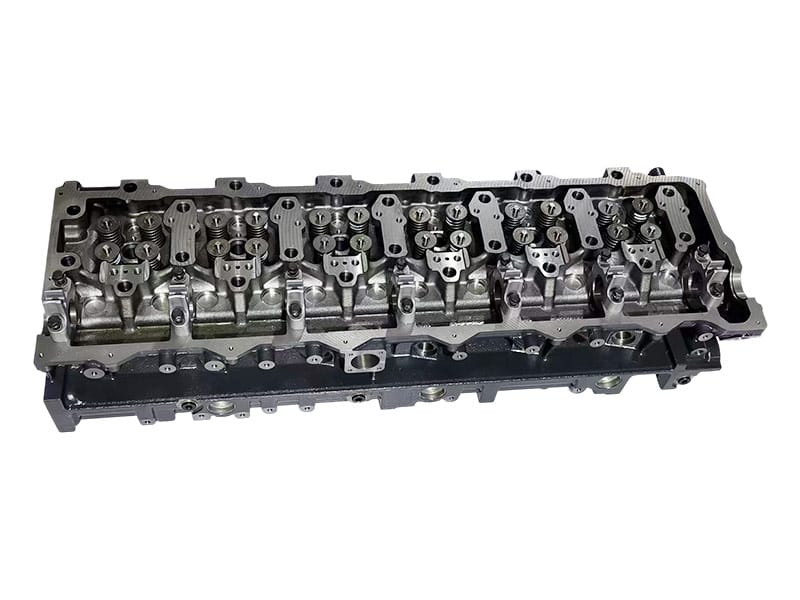
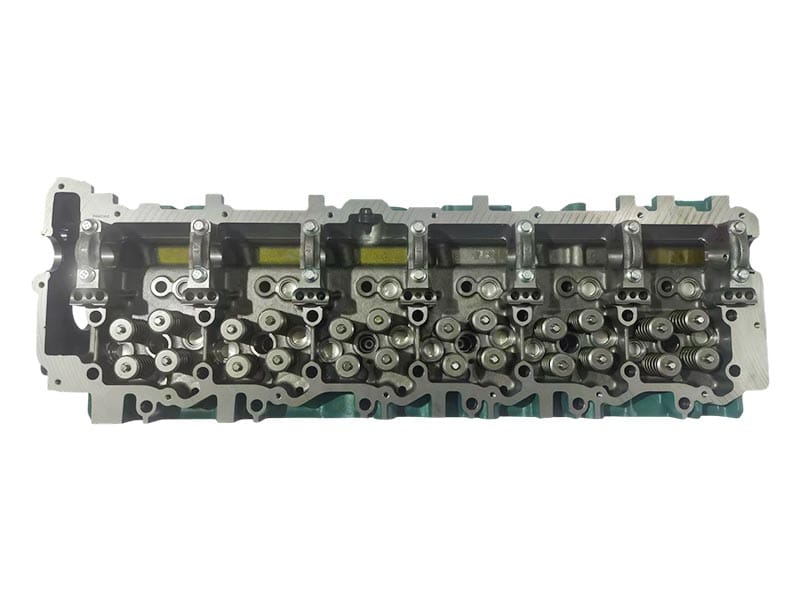
| Kepala silinder | Kode mesin, referensi kepala, tanda pengecoran, port, permukaan pemasangan | Penampilan keseluruhan atau satu nomor casting |
| Piston | Identitas mesin, referensi piston, hubungan lubang, detail pin dan cincin | Dimensi eksternal keseluruhan |
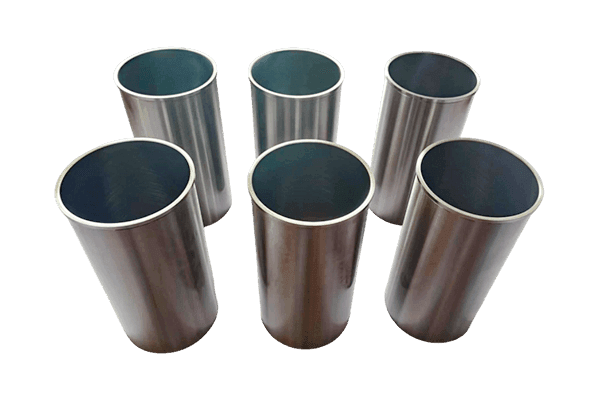
| Liner silinder | Identitas mesin, jenis liner, diameter yang relevan, panjang dan detail flensa | Ukuran lubang saja |
| Poros engkol | Referensi, dimensi jurnal, stroke, antarmuka depan dan belakang | Nama keluarga mesin saja |
| Pompa minyak | Referensi, drive, pola pemasangan, pengaturan inlet dan outlet | Bentuk perumahan dari satu foto |
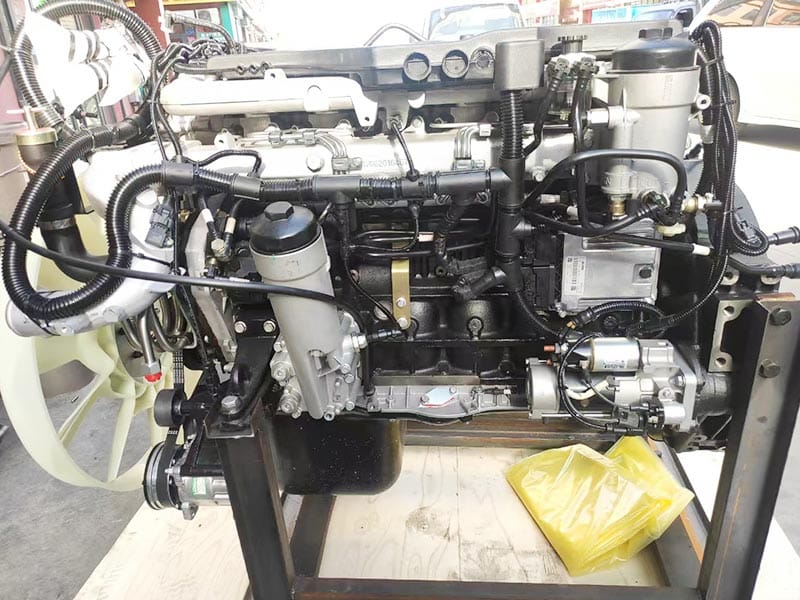
| Perakitan mesin | Varian mesin lengkap, sistem kontrol, dudukan, transmisi dan koneksi | Nama seri atau tampilan eksterior |
Bandingkan Bahan dan Klaim Manufaktur Dengan Dokumen
Deskripsi material sering digunakan dalam OEM vs bagian mesin aftermarket pemasaran, tetapi frasa luas seperti “paduan premium,” “bahan berkekuatan tinggi,” atau “logam kelas OEM” tidak cukup memberi tahu pembeli teknis.
Di mana materi penting untuk spesifikasi pembelian, tanyakan informasi apa yang dapat diberikan untuk komponen yang dikutip. Tergantung pada produk, yang dapat mencakup spesifikasi bahan, catatan kekerasan, informasi perlakuan panas, laporan komposisi kimia, atau persyaratan gambar yang dikendalikan pemasok.
Tidak setiap pembelian memerlukan sertifikat material penuh. Tingkat bukti harus mencerminkan komponen, konsekuensi kegagalan, kebutuhan pelanggan, dan perjanjian pembelian. Kuncinya adalah menghindari memperlakukan bahasa pemasaran deskriptif seolah-olah itu adalah spesifikasi teknik yang diverifikasi.
Kualitas Permesinan Lebih Penting Dari Penampilan Permukaan
Bagian-bagian mesin sering bergantung pada antarmuka mesin yang tidak dapat dievaluasi secara akurat dari foto katalog. Dalam sebuah OEM vs bagian mesin aftermarket comparison, dimensions, tolerances, geometry, and surface condition may matter far more than paint color or visual finish.
A crankshaft requires correct journal geometry and interfaces. A piston depends on its designed dimensional relationship with the liner, pin, and rings. A cylinder head relies on machined faces, passages, valve-related features, and multiple installation interfaces. An oil pump depends on its drive and port arrangement in addition to its housing.
When dimensional evidence is required, measurements should be made with suitable instruments and a defined method. The NIST information on metrological traceability explains why measurement results are more meaningful when they can be related to references through a documented calibration chain. For a purchasing decision, the important point is simple: a number without a clear measuring basis is weaker evidence.
Inspection Records Should Apply to the Actual Product
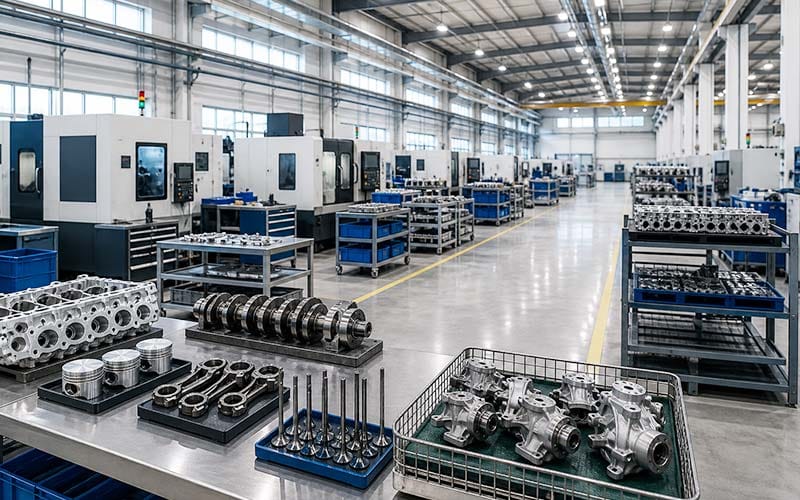
Inspection evidence is another area where OEM vs bagian mesin aftermarket comparisons can become vague. A supplier may describe a general quality-control process, but the buyer should understand whether any provided record relates to the actual part, production batch, or product family being purchased.
For critical or high-value components, useful records may include dimensional inspection, identification photographs, non-destructive testing where applicable, material information, or other product-specific checks. The exact requirement depends on the component.
A quality-management certification can support confidence in the supplier’s process controls, but it is not a substitute for product-level fitment or inspection evidence. The ISO overview of ISO 9001 describes a process-based quality-management framework. It does not certify that one specific crankshaft, piston, or cylinder head fits a particular engine.
Traceability Helps Verify What You Actually Received
Traceability becomes especially valuable when OEM vs bagian mesin aftermarket are sourced in repeated batches. A distributor or fleet buyer may need to know which shipment, production batch, supplier record, or inspection document corresponds to a delivered component.
Useful traceability can include a part label, batch or lot reference, packing identification, inspection record number, purchase-order line, and receiving photographs. The goal is not to create paperwork for its own sake. It is to preserve a link between the physical part and the purchasing evidence used to approve it.
When a later issue appears, traceability helps determine whether the affected parts came from one shipment, one batch, one engine application, or a broader supply group. Without that link, technical investigation becomes much slower.
For purchasing teams, OEM vs bagian mesin aftermarket should always be compared on equivalent supply scope.
Compare Supply Scope Before Comparing the Two Categories
A major source of confusion in OEM vs bagian mesin aftermarket purchasing is unequal supply scope. One cylinder-head quotation may cover a bare head while another includes valves and other fitted components. One piston quote may be for the piston only while another may contain related items. An engine assembly can vary even more widely in included external components.
Before deciding that one option is more complete, create an included-and-excluded list. Compare the quotations line by line.
| Comparison Area | Evidence to Request | Question to Resolve |
|---|---|---|
| Identity | Part reference, label, source documentation | What exactly is being claimed? |
| Fitment | Engine code, application data, interface comparison | Does it match this exact engine? |
| Material/specification | Available technical documents | What requirement is the part made to? |
| Inspection | Product or batch records where required | What was actually checked? |
| Lingkup pasokan | Included/excluded list | Are the quotations for the same configuration? |
| Traceability | Batch, label, packing and record links | Can the delivered part be linked to its records? |
| Fitment support | Matching review and open-point list | What remains unconfirmed before ordering? |
Aftermarket Does Not Describe One Quality Level
The aftermarket category ranges from highly documented replacement components to parts with very limited technical information. Therefore, an OEM vs bagian mesin aftermarket comparison should never treat every aftermarket option as equivalent.
A buyer can create a minimum evidence threshold instead. Require the full application reference, technical dimensions relevant to fitment, supply scope, inspection documentation where necessary, traceability, and clear handling of any unresolved points.
This approach is more useful than relying on labels because it can be applied consistently across suppliers and component families. A well-documented replacement can be evaluated. A poorly documented one leaves the buyer with assumptions.
Use Failure Consequence to Decide How Much Evidence You Need
Not every engine part requires the same purchasing review. When comparing OEM vs bagian mesin aftermarket, the level of verification should increase when replacement is difficult, labor-intensive, expensive to repeat, or capable of causing wider engine damage if the part is wrong.
A crankshaft, cylinder head, engine block, or complete engine assembly usually justifies more pre-order evidence than a simple low-risk accessory. Internal components that require major teardown to access also deserve careful fitment confirmation because a mismatch can create significant workshop rework.
This does not mean every critical part must automatically be sourced through one category. It means the documentation and approval process should reflect the consequence of getting the decision wrong.
Commercial requirements can also change how OEM vs bagian mesin aftermarket are approved for a fleet or repair program.
Check Whether the Engine Is Still Under a Warranty or Contract Requirement
Commercial engines may be subject to warranty terms, fleet maintenance agreements, insurance requirements, or customer purchasing rules. These conditions can affect an OEM vs bagian mesin aftermarket decision independently of technical fitment.
Before ordering, buyers should review the actual warranty or contract language applicable to the vehicle and jurisdiction. Do not rely on a general online statement that one category always preserves or always voids warranty coverage.
If a fleet customer specifically requires original-channel parts, record that requirement in the RFQ. If documented alternatives are allowed, define what technical and quality evidence the customer requires before approval.
Use Part Matching Evidence for Cylinder Heads
Kepala silinder adalah contoh yang baik mengapa OEM vs bagian mesin aftermarket cannot be decided from a label alone. The buyer still needs to match the complete engine code, head reference, casting marks, mounting faces, ports, injector-related features, and required assembly state.
Panduan tentang identifikasi kepala silinder explains how engine-plate information, cast and stamped numbers, multi-angle photos, and physical interfaces can be combined into a practical matching package.
Whether the proposed head is original-channel or aftermarket, the same fitment questions remain. In addition, the buyer must confirm whether the quotation is for a bare or fitted head and which components are included.
Use Dimensional Evidence for Pistons and Liners
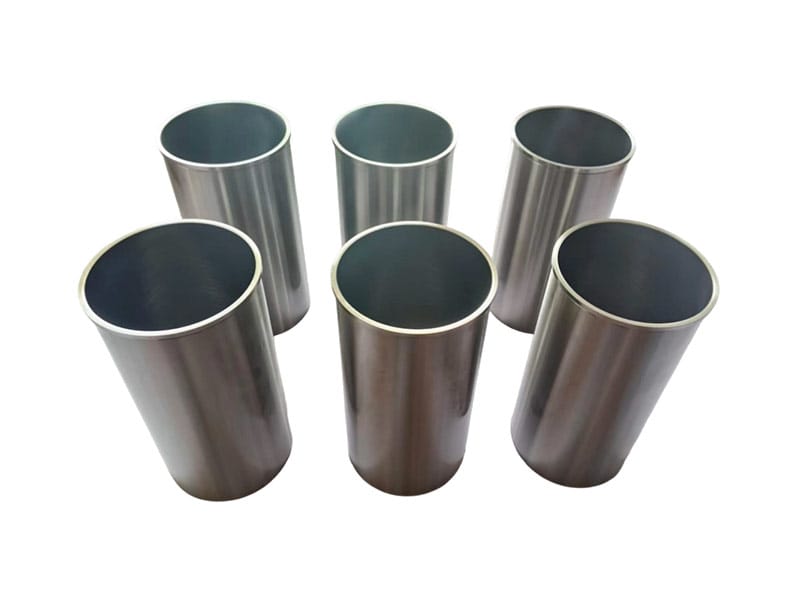
For pistons and liners, an OEM vs bagian mesin aftermarket decision should include dimensional and configuration matching. The piston, liner, rings, and pin work as a system, and overall external dimensions are not enough to confirm compatibility.
Review the engine code, piston reference, bore relationship, compression height, pin dimensions, ring arrangement, liner type, and repair size where applicable. The previous guide on pencocokan piston dan liner provides a structured way to organize those checks.
If an aftermarket piston is proposed against an original reference, the cross-reference is only the beginning. The buyer should still verify the technical characteristics that matter for the actual rebuild.
For internal engine components, OEM vs bagian mesin aftermarket should be reviewed against the same measurable fitment evidence.
Use Inspection Evidence for Crankshafts
Crankshafts require their own OEM vs bagian mesin aftermarket evaluation. A correct reference should be supported by journal dimensions, stroke, front and rear interfaces, and applicable inspection evidence.
If a replacement crankshaft is being purchased after a failure, preserve the old shaft’s measurements and repair history. The panduan inspeksi poros engkol explains how journal condition, taper, out-of-round, runout, critical areas, and previous machining can be documented before a rebuild decision.
This information can also be used to check whether the quoted replacement corresponds to the required standard size and configuration rather than simply sharing a broad engine-family description.
Do Not Let Product Photos Decide the Purchase
Product photos are valuable for OEM vs bagian mesin aftermarket because they can reveal ports, mounting holes, casting shapes, connectors, and supplied accessories. But they should be treated as identification evidence, not a complete specification.
Photographs may show optional components, a sample configuration, or an earlier production version. The actual quotation should state the part reference and supply scope in writing.
When a photo is used for matching, compare it with the buyer’s old part from the same angles. Mark important interfaces rather than relying on a general “looks the same” judgment.
Create a Supplier Evidence Checklist Instead of a Label Based Rule
A practical way to manage OEM vs bagian mesin aftermarket is to use the same evidence checklist for every proposed component. This keeps purchasing decisions consistent and reduces the influence of vague marketing claims.
The checklist can ask for part identity, application, fitment basis, relevant technical specification, included components, inspection evidence, traceability, packaging identification, and any unresolved technical points. For claimed OEM parts, add evidence supporting the source claim. For aftermarket parts, ask what specification or application basis supports the replacement claim.
The resulting comparison becomes more useful because each option is evaluated through visible evidence rather than a category stereotype.
How Distributors and Fleet Buyers Can Standardize Approval
Distributors and fleet operators buying repeated engine parts can turn the OEM vs bagian mesin aftermarket framework into an internal approval process. Start by defining what information is mandatory for each product family.
For example, cylinder heads may require engine code, reference, casting images, supply scope, and specified inspection documents. Crankshafts may require journal and interface information. Engine assemblies may require the full variant, ECU and harness requirements, transmission interface, accessories, and shipment inspection records.
Approved records should be saved with the supplier quotation and purchase order. On repeat orders, the buyer can confirm that the new shipment still matches the approved specification instead of restarting from a product name alone.
A documented comparison makes OEM vs bagian mesin aftermarket easier to approve consistently across repeat orders.
Questions to Ask Before Approving Either Option
Sebelum menyetujui OEM vs bagian mesin aftermarket, the purchasing team should be able to answer a few core questions in writing. What exactly is the quoted part? What supports its claimed identity? What evidence connects it to the engine? Which technical characteristics have been confirmed? What components are included? What inspection evidence is available? Can the delivered item be traced back to the quotation and records?
If any of these questions remain open, record the issue rather than assuming the answer. A technically clear open point is easier to solve before shipment than after installation begins.
For mixed engine-part requirements, use the bagian mesin Daftar periksa RFQ to organize engine information, part references, quantities, photographs, and required documents before requesting a quotation.
Before final purchasing approval, keep the OEM vs bagian mesin aftermarket evidence with the RFQ and supplier response.
Apa yang Harus Dikirim untuk Ulasan Pencocokan Suku Cadang Mesin
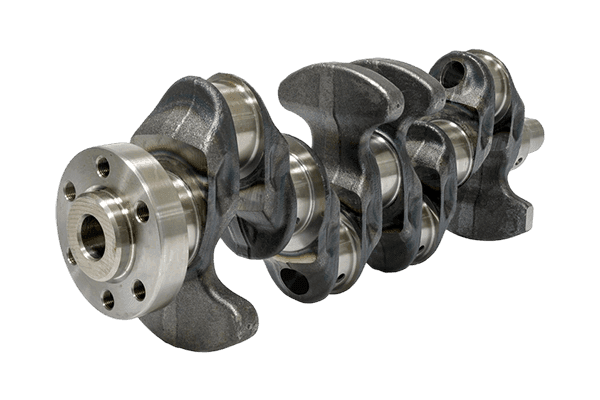
If you are comparing OEM vs bagian mesin aftermarket for a heavy truck repair, send the complete engine code, old-part reference, clear photos, relevant dimensions, required quantity, and required supply configuration.
For a cylinder head, include head markings and interface photos. For pistons and liners, include the matching dimensions and repair status. For a crankshaft, include journal and connection information. For an engine assembly, include the engine plate, installation interfaces, and required accessories.
You can send these details through the halaman kontak for a matching review. Keep source claims, fitment confirmation, and supply scope as separate fields so each can be checked independently.
For repeat purchasing, OEM vs bagian mesin aftermarket should be reviewed with the same evidence standard each time. That consistency makes supplier changes, batch reviews, and technical approvals easier to document.
For mixed orders, OEM vs bagian mesin aftermarket should also be separated by line item so identity, fitment, inspection records, and included components remain traceable.
Kesimpulan
The useful question behind OEM vs bagian mesin aftermarket is not which label is universally better. It is which specific part can be supported by enough evidence for the repair being performed.
Original-channel identity should be supported rather than inferred from a reference number. Aftermarket replacements should be evaluated from their application data, dimensions, manufacturing information, inspection evidence, traceability, and supply scope. Both categories still require correct fitment to the exact engine.
For professional engine-parts purchasing, evidence is the common language. When buyers compare identity, fitment, specification, inspection, traceability, and included components in the same structured way, the decision becomes clearer and the risk of ordering the wrong part is reduced.
FAQ
What is the main difference between OEM vs aftermarket engine parts?
OEM generally refers to parts associated with the original equipment service channel or specification system, while aftermarket parts are supplied outside that channel. The categories describe sourcing relationships, but they do not by themselves prove fitment, condition, or quality of a specific component.
Does an OEM part number prove that a supplied part is OEM?
No. An OEM reference can be used to identify an application or cross-reference a replacement. The identity and source of the supplied part should be supported by the actual product documentation, labels, packaging, traceability, and supplier evidence.
Are aftermarket engine parts always lower quality?
No. Aftermarket is a broad category with different manufacturing and documentation levels. Evaluate the specific replacement using fitment data, technical specifications, inspection evidence, traceability, and supplier support rather than assuming one quality level for the entire category.
What evidence should I request when comparing OEM vs aftermarket engine parts?
Request the proposed part reference, fitment basis, relevant dimensions or technical specifications, supply scope, product-specific inspection documents where required, and traceability information. If an OEM identity is claimed, ask what documentation supports that claim.
Which engine parts need the most careful comparison?
Parts with complex fitment, major labor requirements, or high failure consequences deserve especially careful review. Cylinder heads, pistons and liners, crankshafts, oil pumps, engine blocks, and complete engine assemblies should all be matched using product-specific evidence rather than a category label alone.