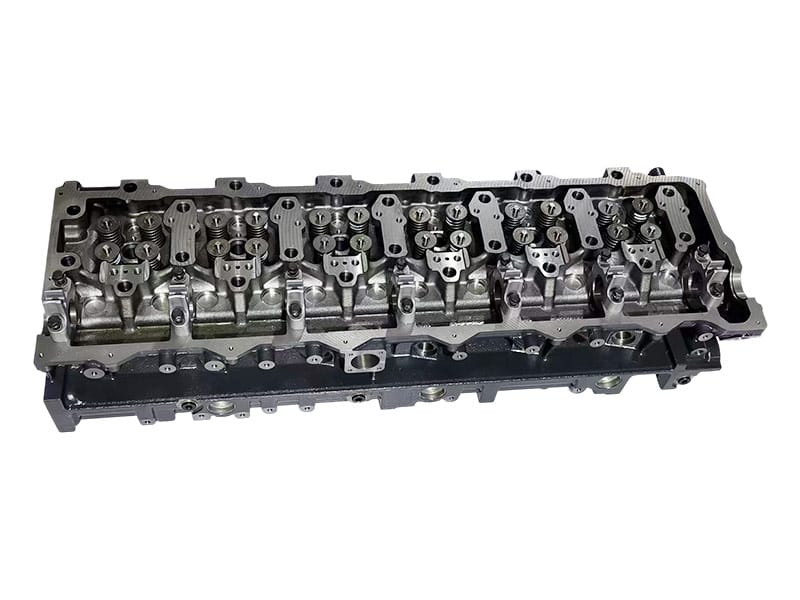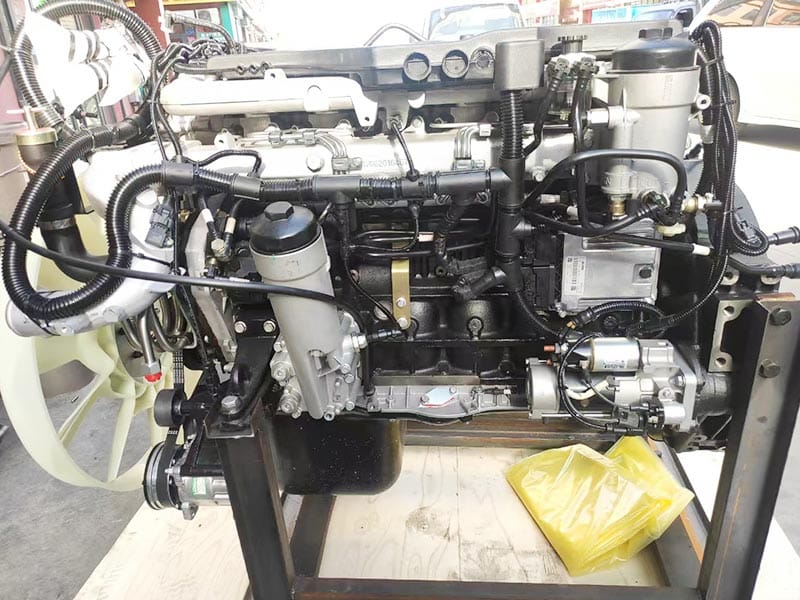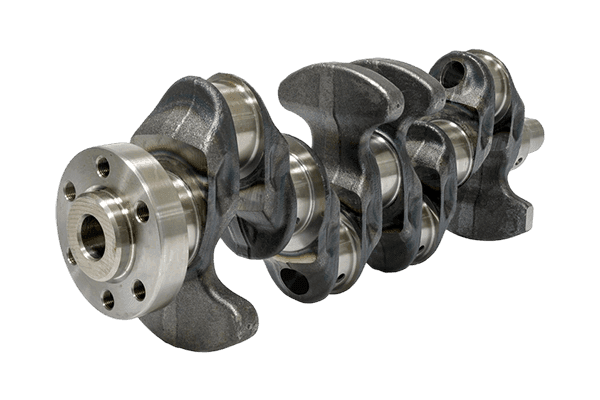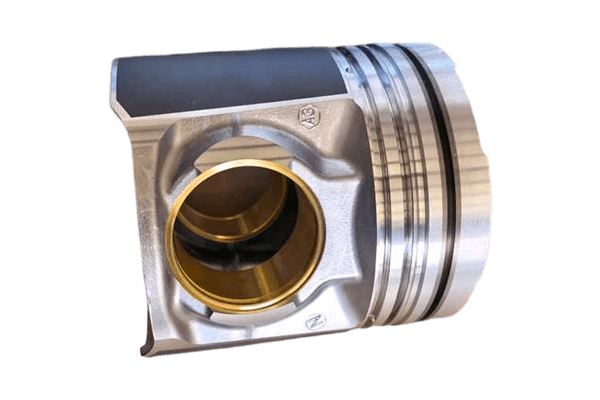
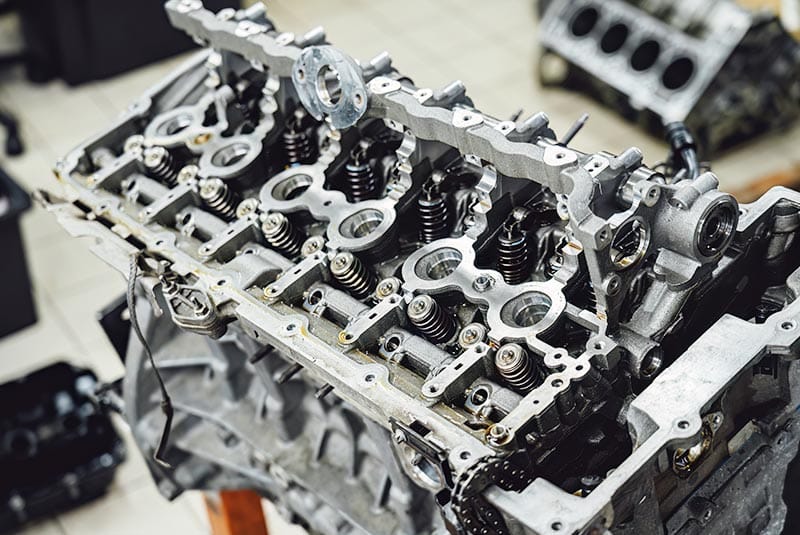
A bare vs complete cylinder head decision should start with the repair plan, not the product photograph. A bare head generally leaves valve installation and related assembly work to the receiving workshop. A complete head arrives with an agreed set of fitted components, but that does not automatically include everything needed to return the truck to service.
The better choice is the configuration your workshop can verify, finish and install correctly. For repair businesses, fleet maintenance teams and parts distributors, the important differences are supply scope, component condition, inspection evidence and the work remaining after delivery.
Table of Contents
What Bare and Complete Actually Mean
A Bare Head Is Not Necessarily an Unfinished Casting
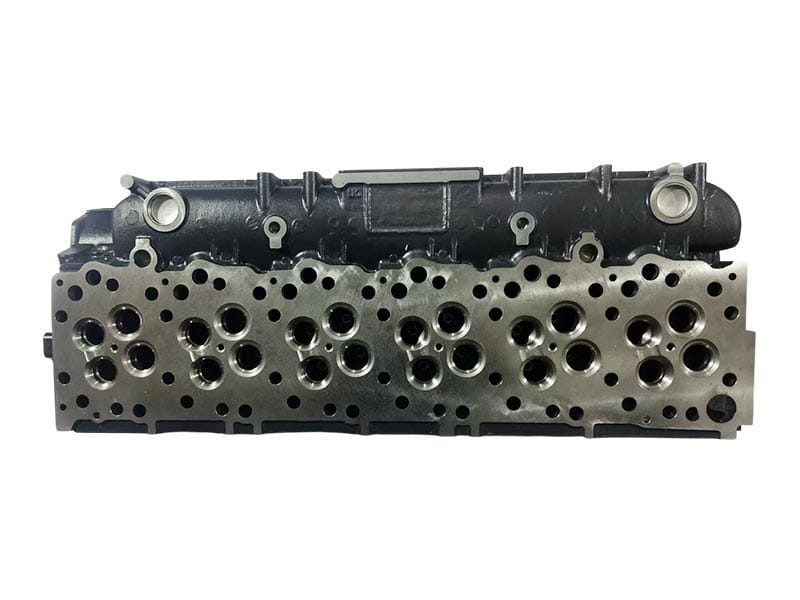
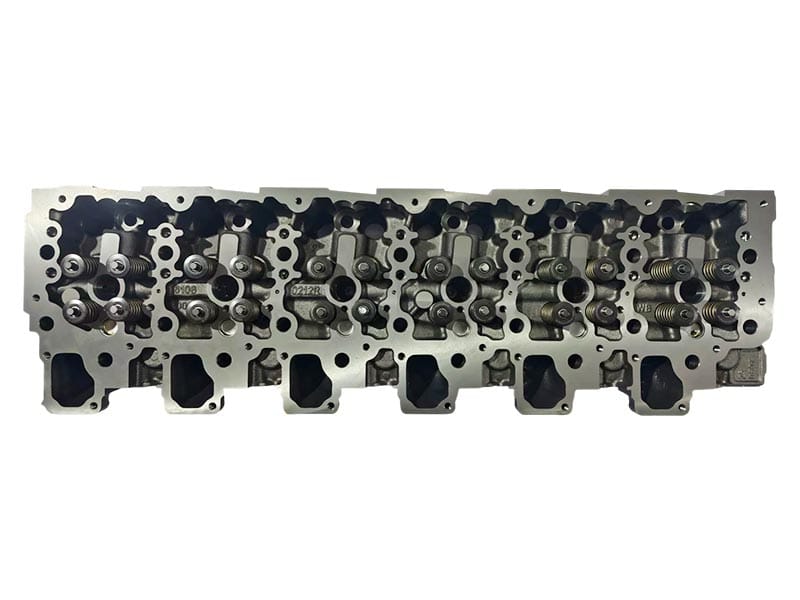
In a bare vs complete cylinder head comparison, a bare head normally means the machined head body without installed valves, springs and their retaining hardware. However, valve guides, seat inserts, plugs or injector sleeves may already be present. Their inclusion and finishing condition need written confirmation.
Ask whether the head is supplied ready for the specified component assembly or requires additional machining. These are different purchase requirements, even when both listings use the word “bare.”
A Complete Head Still Needs an Itemized Description
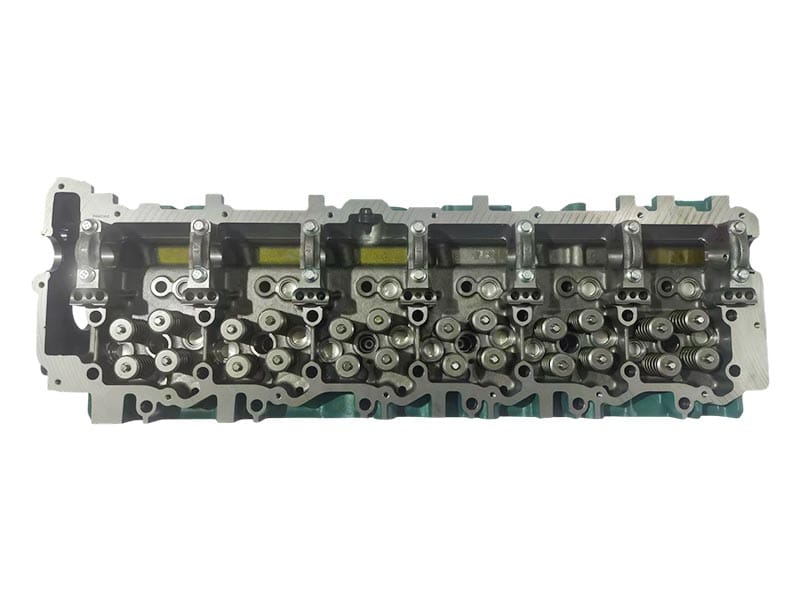
A complete head commonly includes fitted valves and spring hardware. Camshaft components, rocker assemblies, injectors, sensors and gaskets should never be assumed from that label alone. Engine architecture also determines which components belong in the head assembly.
Our replacement cylinder head configuration guidance explicitly separates components visible in a photograph from the supply configuration agreed for an order. Apply that distinction to every bare vs complete cylinder head quotation.
Bare vs Complete Cylinder Head Comparison
Use this table to structure the discussion. It describes purchasing distinctions, not a guaranteed specification for every product.
| Decision point | Bare cylinder head | Complete cylinder head |
|---|---|---|
| Starting condition | Head body supplied for further component assembly | Head body with specifically agreed components fitted |
| Valves and spring hardware | Generally require separate sourcing or approved reuse | Confirm inclusion, part references and condition |
| Guides, seats and sleeves | Confirm installation and finishing status | Confirm specification and inspection records |
| Camshaft and rocker components | Separate confirmation required where applicable | Not automatically included by the word “complete” |
| Workshop responsibilities | Component selection, assembly and final checks | Receipt checks, remaining transfers and engine installation |
| Best planning basis | Available machining expertise and verified components | Verified assembly scope and documented remaining work |
The useful outcome of a bare vs complete cylinder head comparison is a written division of responsibilities. For every excluded item, identify who will supply it and who will approve its suitability.
Confirm Engine Identity Before Comparing Supply Options
Neither configuration solves an identification error. Before settling the bare vs complete cylinder head question, collect the full engine code, identification plate photograph and reference from the existing head. Treat the vehicle model or a shortened engine name as a starting point rather than final confirmation.
Photograph the mating face, manifold connections, injector locations and relevant oil or coolant connections. Ask the supplier to reconcile the reference and layout with the exact application. Our engine cylinder head range is a starting point for that review, not a substitute for it.
Keep casting references and service part numbers separately labeled. A number copied from an old casting should not silently become a confirmed replacement order number. The bare vs complete cylinder head decision only becomes meaningful after the proposed head has passed the application review.
When a Bare Cylinder Head Fits the Repair Plan
A workshop with suitable equipment, current technical information and an established inspection process may prefer a bare head. It can control component selection and complete the assembly around the approved repair specification.
This approach works best when the workshop knows which components will be replaced, which may be reused and which dimensions still need verification. In a bare vs complete cylinder head assessment, “we can assemble it” should mean that the necessary people, tools, parts and acceptance criteria are available.
The engine machinist training framework treats cleaning, measurement, crack detection, inspection and reconditioning as distinct skills. Receiving a machined casting does not remove those responsibilities.
A bare vs complete cylinder head order should therefore record any required finishing work before dispatch. Discovering an unassigned machining operation after delivery can interrupt an otherwise well-planned repair.
When an Assembled Head Can Simplify the Job
An assembled head can reduce the internal assembly work left to a workshop, provided the required components and inspection records are included. It may suit a repair business that installs engines and major components but does not routinely perform cylinder head machining.
For that buyer, the bare vs complete cylinder head decision is partly about where the assembly work should happen. Ask who performs it, which specification is used and what record identifies the finished assembly.
Do not translate fewer loose parts into a guaranteed installation time. Missing fittings, unsuitable transferred components or unresolved fitment questions can still stop the job. Confirm the work remaining on the receiving side before booking the truck into the workshop.
A complete assembly is useful when its scope is complete for your repair plan, not merely when it looks complete in a photograph.
Decide Whether Old Components Are Actually Reusable
Reusing valves or related hardware can change the bare vs complete cylinder head decision, but appearance alone is not an acceptance test. Have the technician document component identity, measured condition and the applicable reuse limits before those parts enter the new assembly.
The diesel cylinder head service task list includes inspection of valves, guides, seats, springs, retaining parts and seals. It also distinguishes checks for injector sleeves, rocker components and overhead camshaft arrangements where applicable.
Request a component disposition record: accepted for reuse, replaced or awaiting further inspection. Do not plan assembly around components in the third category. A bare vs complete cylinder head comparison should use the verified replacement list, not an optimistic assumption that all old hardware will transfer.
Also separate assembly level from product condition. “Bare” and “complete” do not, by themselves, tell you whether a component is new, reconditioned or reused. Record those descriptions separately.
Understand What Each Inspection Can Prove
Inspection evidence deserves the same attention in a bare vs complete cylinder head review as the component list. Different tests answer different questions; a general “tested” statement leaves too much unresolved.
Leak Testing Is Not a Complete Condition Assessment
Leak testing evaluates escaping gas or liquid from a sealed component or system. For a cylinder head, request the tested circuit, procedure, test conditions, acceptance criterion and identification of the inspected part.
A passing result applies to that test. It does not independently establish correct valve geometry, surface finish or compatibility with the intended engine.
Crack Detection Must Suit the Material
Liquid penetrant testing reveals discontinuities open to the surface of suitable nonporous materials. Magnetic particle testing is used for surface and near-surface discontinuities in ferromagnetic materials. They are not interchangeable methods for every casting.
Ask a qualified inspector to select the appropriate method and interpret indications against the applicable acceptance criteria. In a bare vs complete cylinder head order, identify which inspections cover the head body and which cover the finished assembly.
Ask for Measurements Rather Than General Quality Claims
For a bare vs complete cylinder head comparison, request the characteristics relevant to the actual supply scope. Depending on the design, the review may include head thickness, mating-face condition, valve and guide condition, injector-related features and assembly adjustments. Use the engine-specific specification rather than a universal internet tolerance.
A useful report connects a result to a feature, a method and an acceptance limit. A photograph of a measuring instrument cannot establish all three. For example, ask which face was measured, where the readings were taken and which drawing or service requirement governed acceptance.
Metrological traceability guidance also distinguishes traceable measurements from fitness for a particular purpose. A calibration reference alone does not establish that a measurement is suitable for a tight tolerance.
Distinguish a production sample report from the record for the item being supplied. Ask whether a result applies to an individual head, a batch or a process qualification. Each can support a different question, but they should not be presented as identical evidence. Agree the document package before dispatch so missing records do not become a receiving problem.
Where laboratory accreditation is offered as evidence, check the relevant scope. ISO/IEC 17025 addresses laboratory competence; it is not a certificate proving that a particular cylinder head fits your engine. Apply the same evidence standard to both sides of the bare vs complete cylinder head decision.
Keep the Head Assembly Separate From the Installation Kit
The bare vs complete cylinder head distinction does not define the complete engine installation package. Have the workshop identify the correct gasket, fasteners, seals, fittings and any components that must transfer from the removed assembly.
Use the applicable service information for tightening procedures, fastener reuse rules and final adjustments. Do not copy torque values or clearance figures from another engine because the heads look similar.
Write the installation package as a separate order section. Mark each item as included, separately supplied or sourced by the workshop. This makes exclusions visible before the cylinder head is shipped.
For the bare vs complete cylinder head comparison, the important question is not whether both offers contain the same number of parts. It is whether each offer can support the same finished repair without an undefined task remaining.
Do Not Let the Replacement Choice Replace Diagnosis
A bare vs complete cylinder head discussion should follow an investigation of the original failure. Ask the workshop what evidence supports replacement and what related checks must be completed before the engine returns to work.
Cooling-system condition, lubrication concerns and the condition of related engine components belong in the repair investigation where the symptoms justify them. The medium and heavy truck diesel diagnosis framework treats these as separate diagnostic areas rather than assuming one replacement resolves every symptom.
Keep relevant photographs, inspection findings and maintenance history with the job record. Review related engine repair components only when the diagnosis establishes a need. Expanding an order without evidence is no better than overlooking a necessary repair.
Compare Readiness for Installation Rather Than Delivery Alone
Consider an illustrative bare vs complete cylinder head comparison involving two workshops. One has approved replacement hardware and an available machinist. The other relies on an external machine shop and has not inspected its old valves.
The same bare head creates different remaining work for those two buyers. Likewise, an assembled head only removes specific tasks if its fitted parts meet the agreed requirements. Neither configuration produces a universal completion date.
Ask each workshop to identify its next unresolved dependency: inspection, missing parts, machining, technical approval or installation capacity. Compare confirmed dispatch timing with those dependencies. This turns the purchase decision into a realistic repair schedule rather than a promise based only on shipping time.
Build the Quotation Around a Written Supply Scope
A useful bare vs complete cylinder head request gives the supplier enough information to respond without guessing. Send the full engine identification, existing head reference, clear photographs, quantity and destination. Then describe the required assembly state.
Use a short confirmation table to make responsibilities visible:
| Quotation field | Confirmation required |
|---|---|
| Application | Full engine identity and approved replacement reference |
| Head body | Product condition and machining status |
| Fitted components | Itemized descriptions, quantities and condition |
| Excluded components | Named items and the party responsible for sourcing them |
| Inspection evidence | Agreed reports, acceptance basis and part identification |
| Remaining work | Workshop assembly, transfers and final checks |
Ask the supplier to acknowledge this scope against the actual order. Do not treat an unanswered field as included, and keep subsequent changes in the same approval record. A substituted component should trigger review before shipment, not a discovery during installation.
For a bare vs complete cylinder head inquiry, request a supply configuration review before finalizing the purchase. Availability of a particular assembly level must be confirmed for the exact application.
Inspect the Delivery Before Releasing It to the Workshop
Finish the bare vs complete cylinder head purchasing process with a receipt check. Photograph the packaging and labels, reconcile the supplied items with the approved scope, and inspect accessible surfaces for handling damage or contamination.
Keep loose hardware identified and separated. Check that inspection documents refer to the supplied part or agreed batch, rather than an unrelated sample. Record discrepancies before cleaning, machining or installation makes their origin harder to establish.
If a fitted component differs from the approved description, pause release and send the supplier photographs alongside the order reference. Request an explanation and a written disposition rather than accepting a verbal assurance that it is equivalent. Keep the original packaging and traceability labels until the discrepancy is resolved. This gives the workshop a clear approval record without asking it to judge a substitution from appearance alone.
The receiving check does not replace technical installation approval. It confirms that the workshop has received the agreed starting point for its work.
Conclusion
The best bare vs complete cylinder head choice is the one supported by correct identification, a clear component list and a repair process your workshop can complete. A bare head offers control over assembly. A documented complete head can reduce the work left after delivery. Neither removes the need for verification.
Need help defining the right supply configuration? Send Cheyu your engine code, head reference, photographs, required components and quantity. Request confirmation of fitment and available supply scope before approving the order.
FAQ
What Is the Main Difference Between a Bare and Complete Cylinder Head?
The main bare vs complete cylinder head difference is the agreed assembly level. A bare head generally requires valve and related component installation. A complete head includes specified fitted parts, but the quotation must identify exactly what those parts are.
Does a Complete Cylinder Head Include the Camshaft and Injectors?
Not automatically. Engine designs and supplier packages differ. In a bare vs complete cylinder head inquiry, list camshaft components, rocker parts, injectors and installation items separately so the supplier can confirm each inclusion or exclusion.
Can Old Valves Be Transferred Into a New Bare Head?
Only when a qualified technician verifies their compatibility and serviceability against the applicable specification. An old valve fitting physically into the head is not enough. Record which components are approved for reuse before planning assembly.
Does a Passed Pressure Test Mean the Head Is Ready to Install?
No. It confirms the outcome of the stated test under its conditions. It does not replace application verification, dimensional inspection, assembly checks or the engine-specific installation procedure. Request the report and clarify what was actually tested.
What Should I Send When Requesting a Cylinder Head Match?
Send the full engine code, identification plate photograph, existing head reference, photographs of relevant faces and connections, required components, quantity and destination. For a bare vs complete cylinder head request, state your preferred assembly level and any work your workshop will perform.