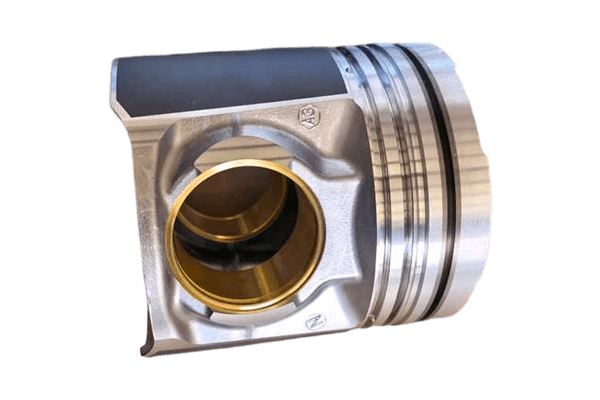
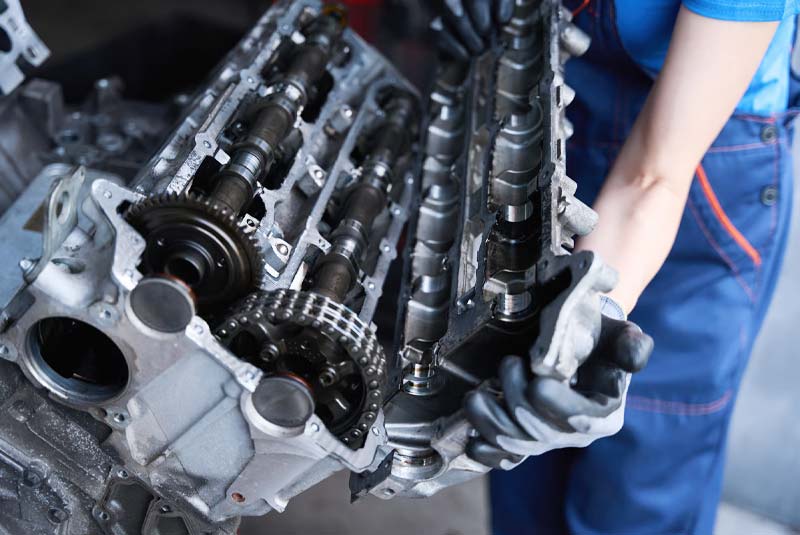
Engine components are designed to operate for long periods, but premature failure can still occur when parts are installed incorrectly, poorly maintained, or used under unsuitable operating conditions. Understanding the most common causes of failure can help repair shops, distributors, fleet operators, and vehicle owners reduce downtime and avoid unnecessary replacement costs.
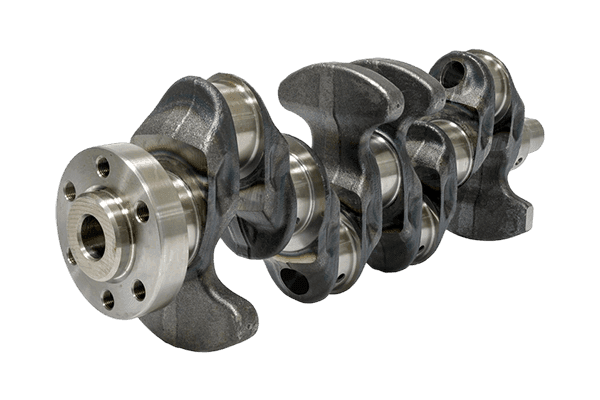
Insufficient lubrication is one of the leading causes of engine damage. Components such as crankshafts, connecting rods, pistons, and bearings depend on a stable oil film to reduce friction and control heat. Low oil levels, blocked oil passages, incorrect oil viscosity, contaminated oil, or extended oil-change intervals can weaken this protective film. Once metal surfaces begin to contact each other directly, rapid wear, scoring, overheating, and bearing failure may follow.
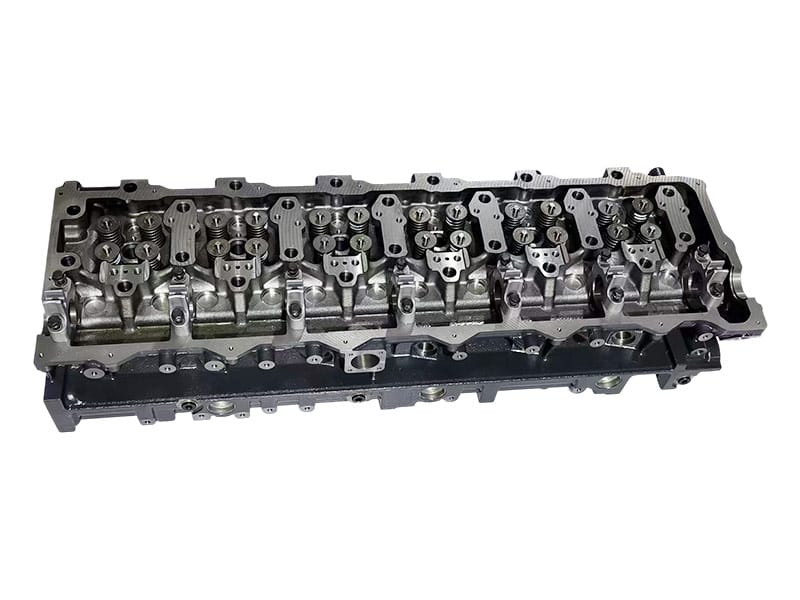
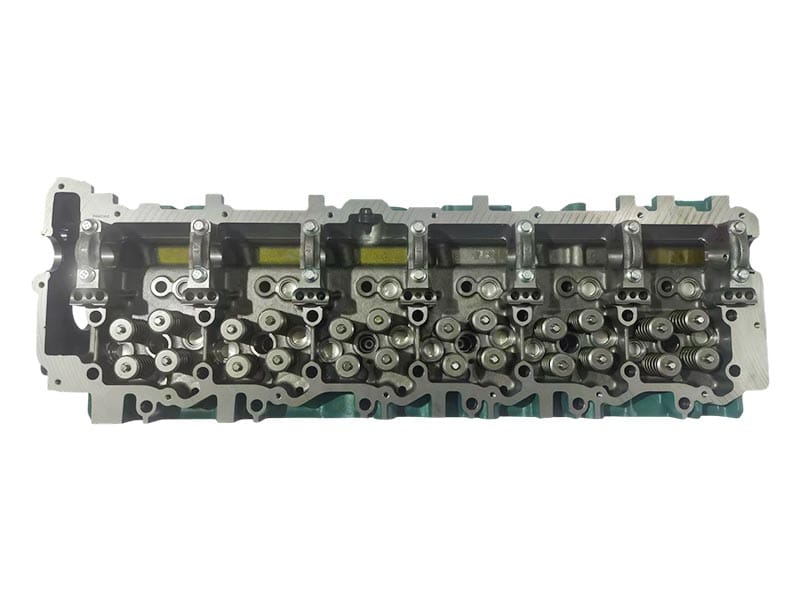
Overheating is another major risk. The engine cooling system must continuously remove excess heat from the cylinder block and cylinder head. A damaged water pump, leaking gasket, blocked radiator, faulty thermostat, or insufficient coolant can interrupt this process. Prolonged overheating may deform the cylinder head, damage valve seats, weaken gaskets, and cause piston expansion beyond the normal operating clearance.
Incorrect installation can also shorten the service life of new parts. Cylinder-head bolts must be tightened in the correct sequence and to the specified torque. Connecting rods, pistons, valves, seals, and water pumps must be installed with suitable tools and proper alignment. Reusing damaged fasteners, ignoring surface cleanliness, or applying excessive sealant may create leaks, uneven loading, or assembly interference.
Contamination is another common problem. Dust, metal particles, carbon deposits, and degraded oil can damage precision surfaces. During engine rebuilding, all components, passages, tools, and assembly areas should be kept clean. Even a small amount of debris can scratch a bearing surface, block an oil channel, or affect valve movement.
Part compatibility must also be carefully checked. Engine components may appear similar but differ in dimensions, compression height, bore size, valve angle, journal diameter, mounting position, or cooling-passage design. Selecting parts only by visual appearance can lead to incorrect assembly. Engine model, vehicle application, OEM reference number, technical drawing, and key dimensions should all be confirmed before ordering.
Warning signs should never be ignored. Unusual knocking sounds may indicate problems with pistons, connecting rods, bearings, or crankshaft journals. White smoke, coolant loss, or repeated overheating may suggest cylinder-head or cooling-system issues. Reduced power, unstable idling, excessive oil consumption, or abnormal exhaust emissions may be connected to worn valves, damaged pistons, or poor cylinder sealing.
Preventive maintenance remains the most effective way to extend engine life. Regular oil and filter replacement, cooling-system inspection, correct warm-up procedures, proper operating loads, and timely replacement of worn components can significantly reduce the risk of major failure. For fleet and commercial applications, maintenance records should be used to identify repeated problems and improve replacement schedules.
Choosing correctly matched, properly inspected engine parts is equally important. A low initial purchase price may not provide real savings if the component causes repeated repairs, vehicle downtime, or damage to related parts. Reliable engine operation depends on suitable materials, accurate dimensions, professional installation, and consistent maintenance working together.