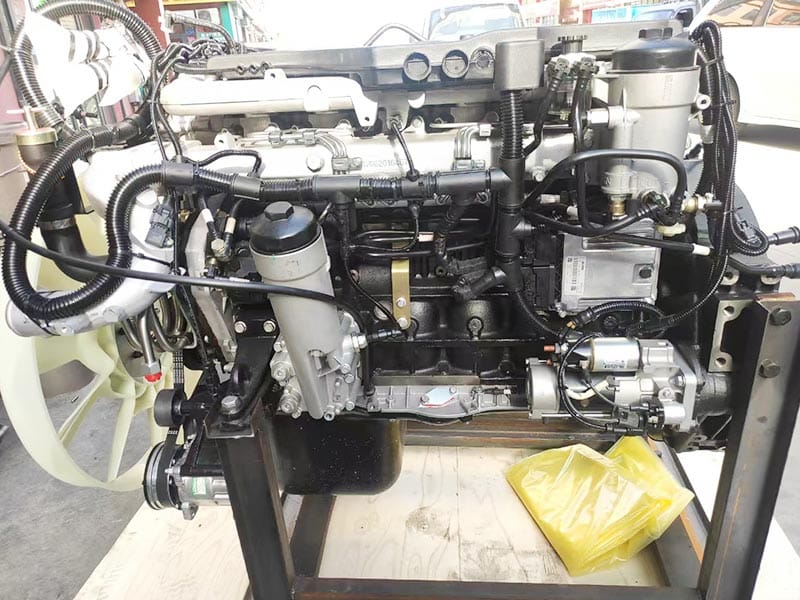
Modern engines operate under demanding conditions, including high temperatures, continuous vibration, rapid pressure changes, and long operating cycles. Under these conditions, even a small dimensional deviation in an engine component can affect combustion efficiency, lubrication, cooling performance, and overall engine reliability. Precision manufacturing has therefore become one of the most important factors in the production of automotive engine parts.
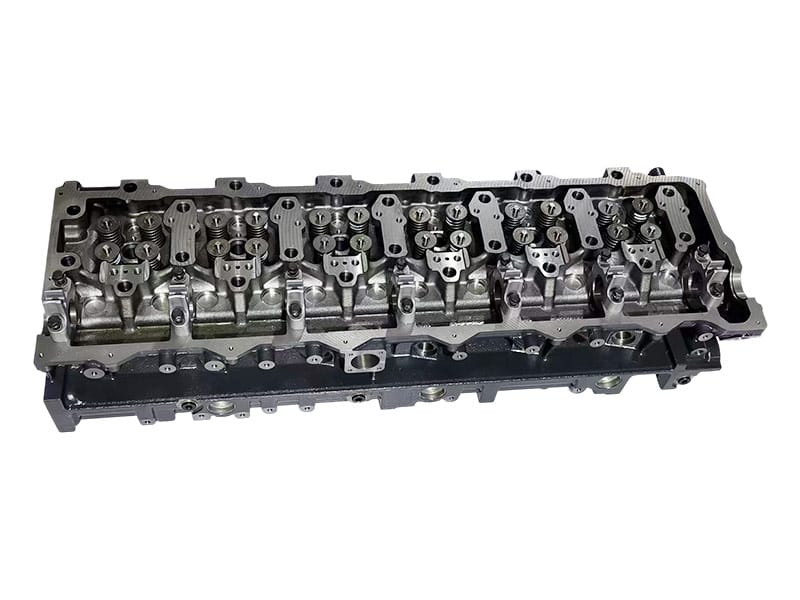
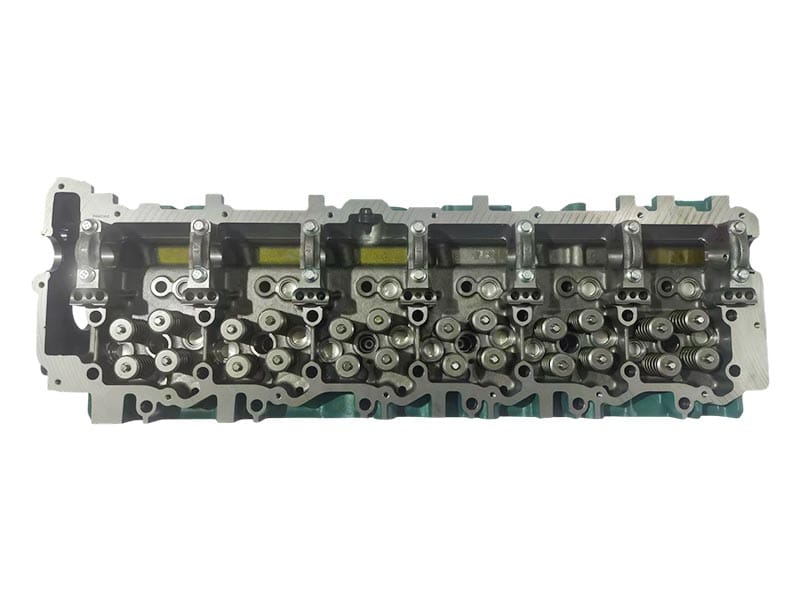
The cylinder head is a good example. It forms the upper section of the combustion chamber and contains important structures such as intake and exhaust ports, valve seats, coolant passages, and oil channels. Accurate machining is required to ensure proper sealing with the engine block. If the surface flatness, valve seat position, or internal passage dimensions do not meet the required specifications, the engine may experience coolant leakage, compression loss, overheating, or unstable combustion.
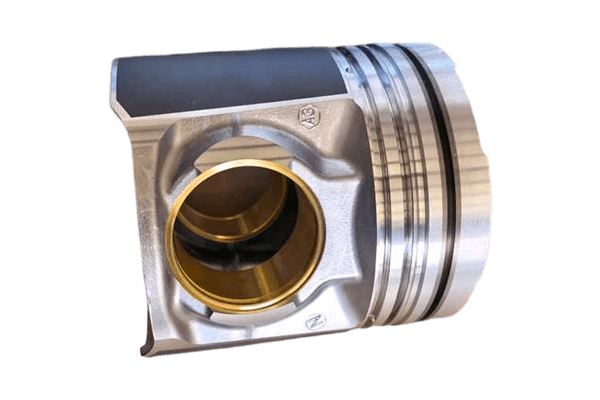
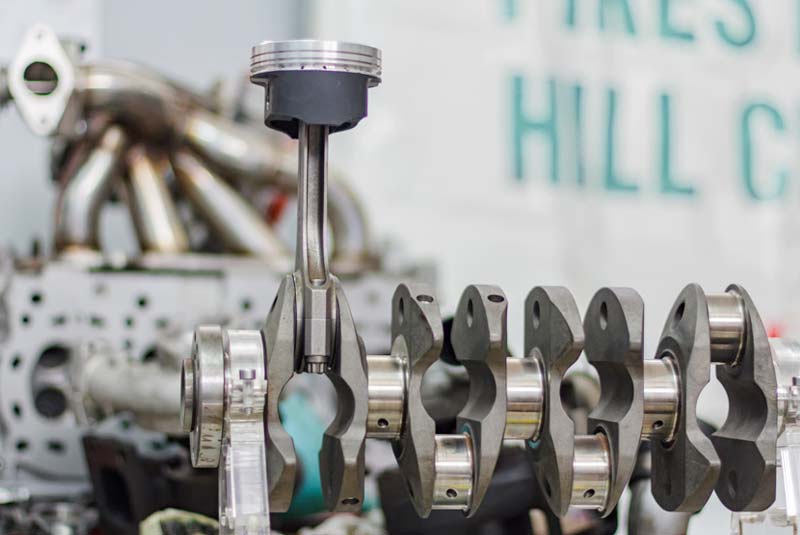
Pistons and connecting rods also require strict dimensional control. Pistons move rapidly inside the cylinder and must maintain the correct clearance between the piston skirt and cylinder wall. Excessive clearance may cause noise, vibration, and oil consumption, while insufficient clearance can lead to friction, overheating, or piston seizure. Connecting rods must provide the strength and dimensional accuracy needed to transfer combustion force from the piston to the crankshaft. Their weight, bore size, center distance, and surface quality all influence engine balance and durability.
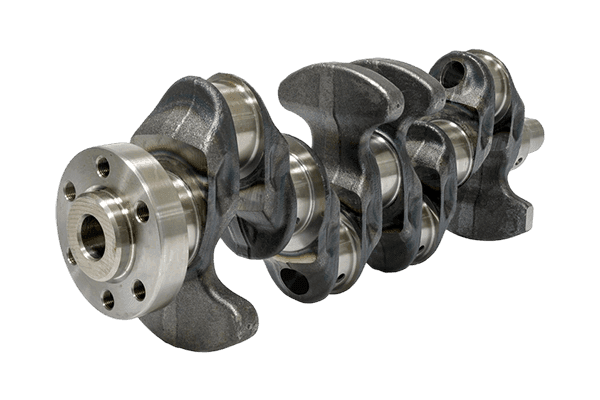
The crankshaft is another critical component. It converts the reciprocating movement of the pistons into rotational power. High-quality crankshafts require accurate journal dimensions, controlled hardness, proper balance, and smooth bearing surfaces. Any error in straightness, roundness, or surface finish may increase bearing wear and reduce engine service life.
Engine valves and water pumps also play essential roles. Intake and exhaust valves control the flow of air, fuel, and exhaust gases, while the water pump circulates coolant through the engine cooling system. Valves must resist heat, impact, and corrosion, and water pumps must maintain stable coolant circulation without leakage or abnormal noise.
Reliable manufacturing involves more than machining alone. Material inspection, heat treatment, surface finishing, dimensional measurement, pressure testing, dynamic balancing, and final visual inspection are all important parts of the quality-control process. Advanced measuring instruments can help verify tolerances, surface roughness, hardness, and assembly dimensions before products are released.
As engine technology continues to develop, manufacturers must produce parts that meet increasingly precise technical requirements. Consistent quality, stable materials, controlled production processes, and complete inspection records help ensure that engine components can deliver dependable performance in passenger vehicles, commercial vehicles, agricultural machinery, and industrial engines.